A species
Malayan tapir
Tapirus indicus
A black-and-white leaf-grabber with rhino relatives
You and the malayan tapir meet in the Placental mammals branch, shown at about 95 million years ago (on 23 December, in a calendar from life's shared ancestor to today).
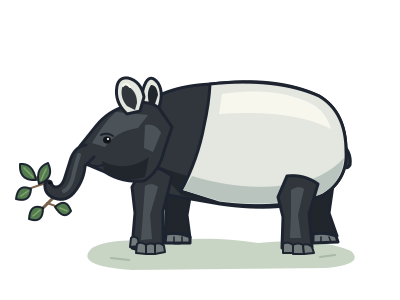
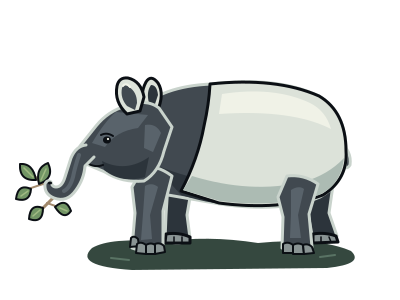
A bold black-and-white coat and a short, leaf-grabbing trunk make the Malayan tapir stand out. Its head and front half are black, with a broad white patch across its back and sides. The hind legs stay black too. That little trunk may suggest an elephant, but the family connection leads elsewhere: tapirs are more closely related to rhinoceroses than to horses.
The trunk is its nose and upper lip joined together. Flexible enough to grasp branches, it strips off leaves and brings fruit to the mouth. Leaves and fruit are only part of the menu: this plant-eater also eats grasses, underground plant parts and water plants.
At home in tropical forests in Southeast Asia, it usually rests during the day and feeds around dusk and at night. It is comfortable in water too, swimming and walking along riverbeds. A typical adult is about as long as a sofa, carried on short, sturdy legs.
Asia’s only living tapir
All other living tapirs are native to Central or South America.
Babies wear a different pattern
Newborn calves have pale spots and stripes instead of the adult’s black-and-white coat.
An unexpected voice
Its calls include whistles, clicks and hiccup-like sounds.
Next to it on the tree
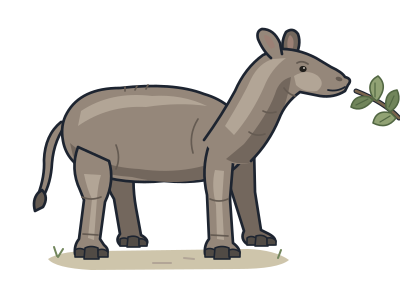
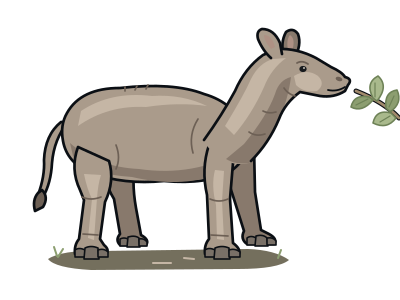
- ParaceratheriumA hornless giant rhino relative; the largest reconstructed individuals reach about five metres at the shoulder.
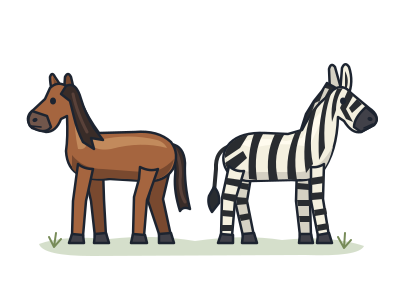
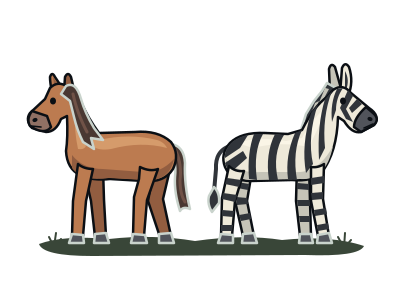
- Horses, zebras and donkeysEvery living horse, zebra and donkey shares an ancestor about four million years ago.
- RhinocerosesFive living species survive from a family that once spread across the world.
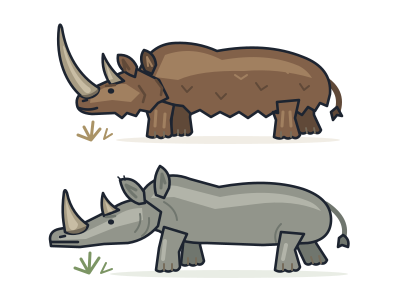
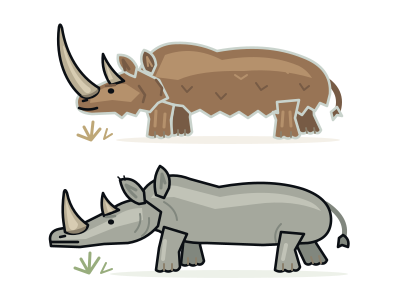
- ElasmotheriumThe "Siberian unicorn", a giant rhino relative that lived until about 39,000 years ago.
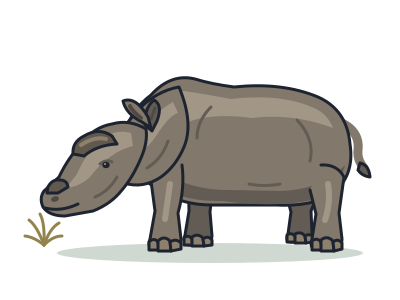
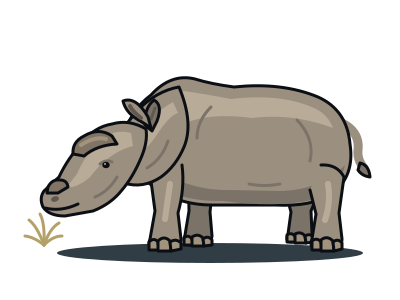
- South American tapirA pig-shaped swimmer with a short grasping trunk, related to horses and rhinos.
- EohippusA fox-sized 'dawn horse' with four toes on each front foot, near the start of the horse family.