An extinct group
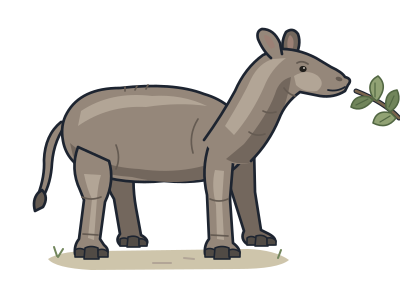
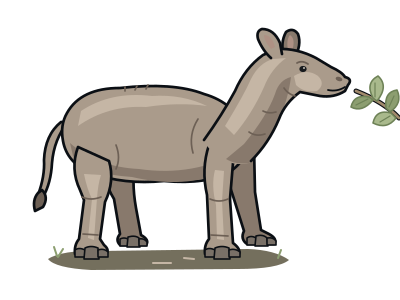
Paraceratherium †
Paraceratherium
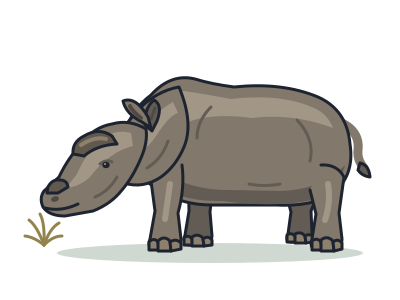
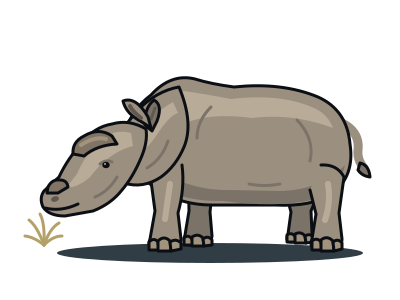
A hornless rhino relative as tall as a two-storey house.
Lived about 34–23 million years ago.
You and paraceratherium meet in the Placental mammals branch, shown at about 95 million years ago (on 23 December, in a calendar from life's shared ancestor to today).
This hornless relative of rhinoceroses towered above its living relatives. Some of the largest individuals were reconstructed at about 5 metres tall at the shoulder—roughly the height of a two-storey house—and about 7–8 metres long. It lived about 34 to 23 million years ago and was one of the largest mammals ever to walk on land.
These giant rhino relatives included several species. They belonged to the wider group of hoofed mammals that also included horses and tapirs. They were plant-eaters. Researchers inferred that they could reach leaves high in trees, feeding at heights similar to those reached by giraffes.
Its enormous body had to be pieced together from fossil evidence. Museum diagrams showed which bones had been collected and which sections had been reconstructed to fill gaps. A complete-looking skeleton was therefore not the same as a complete fossil discovery.
Three toes per foot
It had three toes on each foot, unlike living horses with their single hoof.
Giant early finds
Early discoveries in Pakistan's Bugti Hills included a lower jaw over 60 centimetres long and a thigh bone over a metre long.
An international puzzle
Researchers in Britain, Russia and the United States exchanged copies of fossil bones to help piece the animal together.
Next to it on the tree
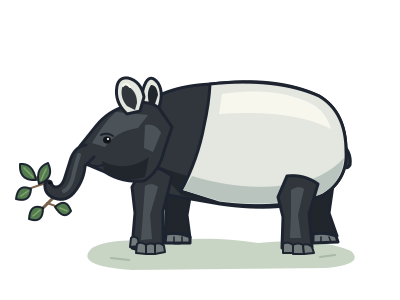
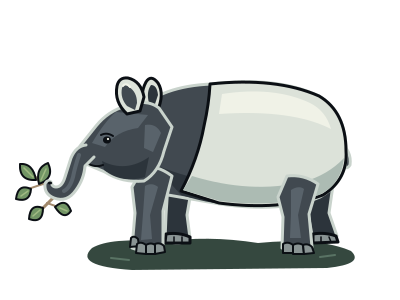
- Malayan tapirBlack-and-white "split" colouring and a short trunk for grabbing leaves.
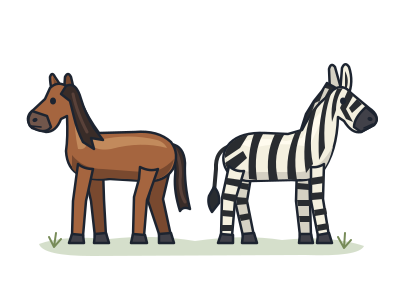
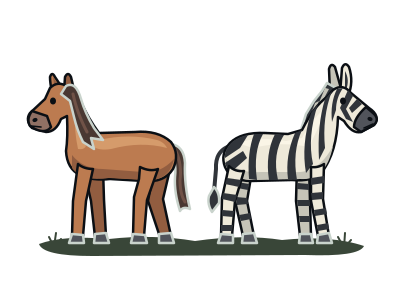
- Horses, zebras and donkeysEvery living horse, zebra and donkey shares an ancestor about four million years ago.
- RhinocerosesFive living species survive from a family that once spread across the world.
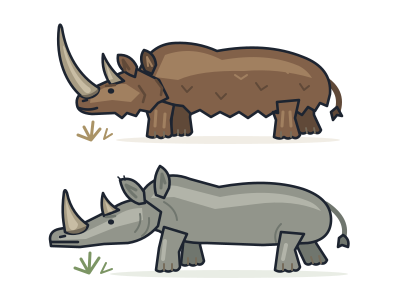
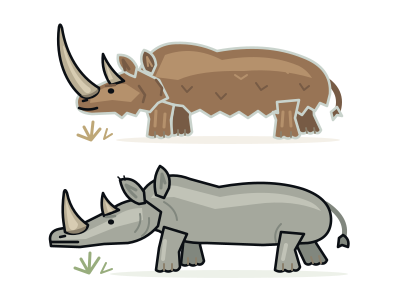
- ElasmotheriumThe "Siberian unicorn", a giant rhino relative that lived until about 39,000 years ago.
- South American tapirA pig-shaped swimmer with a short grasping trunk, related to horses and rhinos.
- EohippusA fox-sized 'dawn horse' with four toes on each front foot, near the start of the horse family.