A species
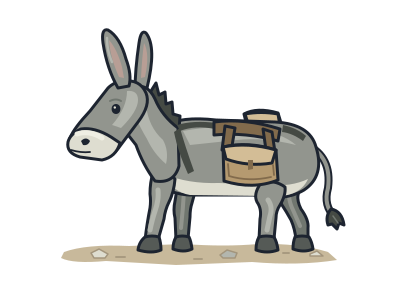
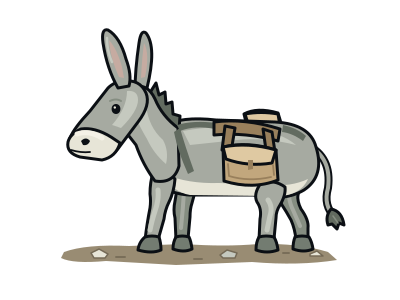
Donkey
Equus asinus
An African wild ass descendant that helped people move goods.
You and the donkey meet in the Placental mammals branch, shown at about 95 million years ago (on 23 December, in a calendar from life's shared ancestor to today).
Donkeys descend from the African wild ass: they are not simply small horses with long ears. A study of DNA suggests people began keeping and breeding them in Africa about 7,000 years ago. Donkeys helped people carry goods between distant places. In Egypt, donkey skeletons buried about 5,000 years ago show bone changes consistent with carrying loads.
Horses and zebras belong to the same family as donkeys, as did the extinct quagga. Look further out along the family tree and there is another surprise: rhinoceroses and tapirs belong to the same wider group of odd-toed hoofed mammals.
A donkey's small, cupped hooves help it move over rocky ground and steep slopes. Its voice matters too. Loud braying calls and sensitive hearing help donkeys communicate when they are spread apart. Those long ears are part of an animal with its own history, not just a smaller version of a horse.
A mule has mixed parentage
A mule has a donkey father and a horse mother.
A year-long wait
Pregnancy lasts about a year, and a mother usually gives birth to one young donkey.
Not always grey
Donkeys can also have brown, black, white or spotted coats.
Next to it on the tree
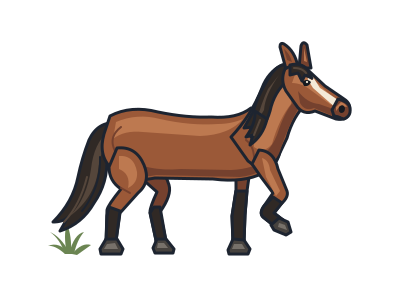
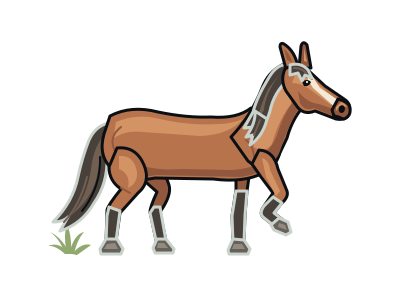
- HorseRuns on a single toe per foot; its ancestors had three or four.
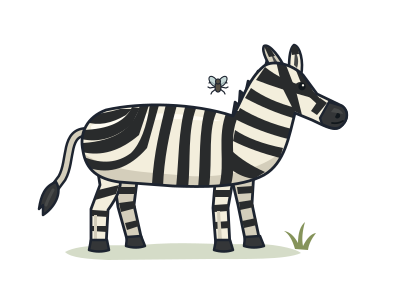
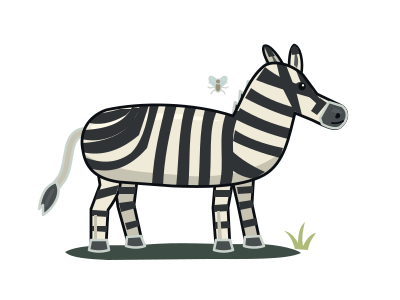
- Plains zebraA wild horse whose stripes deter biting flies.
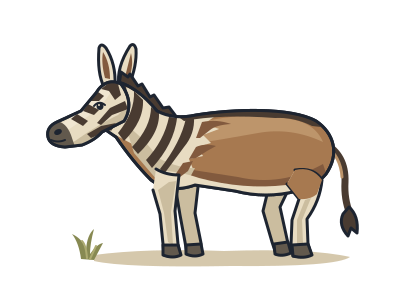
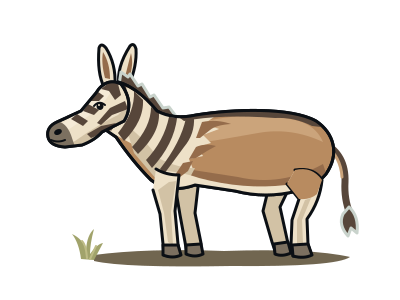
- QuaggaA half-striped form of the plains zebra; short pieces of its DNA were read in 1984.
- Przewalski’s horseA stocky Mongolian horse that vanished from the wild in the 1960s and was returned from zoos.
- Grévy’s zebraThe largest zebra, with narrow stripes, big round ears and a white belly.