An extinct subspecies
Quagga †
Equus quagga quagga
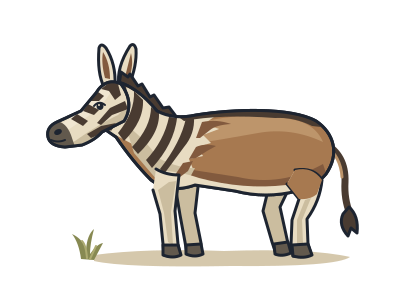
A half-striped zebra, the first extinct animal whose DNA scientists read.
Documented in 1784; the last known quagga died in 1883. Its earlier history is uncertain.
You and quagga meet in the Placental mammals branch, shown at about 95 million years ago (on 23 December, in a calendar from life's shared ancestor to today).
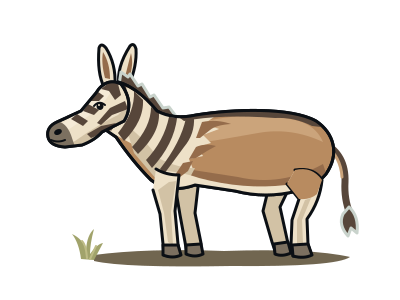
The quagga looked like a zebra whose stripes had faded towards the back. Its front was striped, while its rear was mostly brown. Despite that unusual coat, it was a southern form of the plains zebra, not half horse and half zebra. It belonged to the horse family, alongside horses and donkeys. Preserved skins provided direct evidence of its coat, rather than scientists having to guess its colours from bones.
In 1984, it became the first extinct animal whose DNA scientists read. They recovered two short pieces from a preserved museum skin. This was not a reading of all its genetic information, but it showed that even an extinct animal's remains could hold readable DNA.
Quaggas lived in South African grasslands, including the dry Karoo. They ate grass and lived in herds. Historical records documented them in the 1700s and 1800s. The last known quagga died at Amsterdam Zoo in 1883, about 140 years ago. Colonists hunted them for their skins and because they competed with farm animals for grazing.
A royal arrival
The quagga later preserved in Paris arrived at the royal animal collection at Versailles in 1784.
Replacement bones
London's Grant Museum added black, 3D-printed replacement bones to its incomplete quagga skeleton.
A lookalike was not a return
Breeding living plains zebras could produce a similar coat, but resemblance alone did not restore the extinct population.
Next to it on the tree
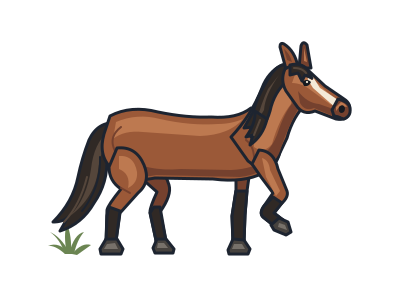
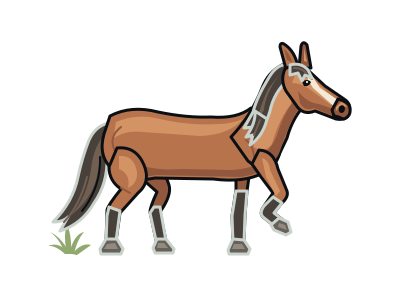
- HorseRuns on a single toe per foot; its ancestors had three or four.
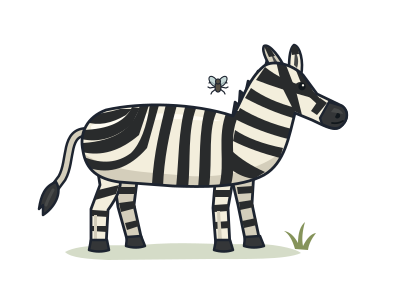
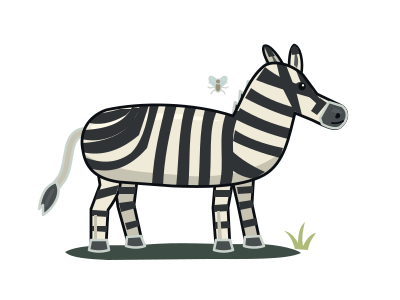
- Plains zebraA wild horse whose stripes deter biting flies.
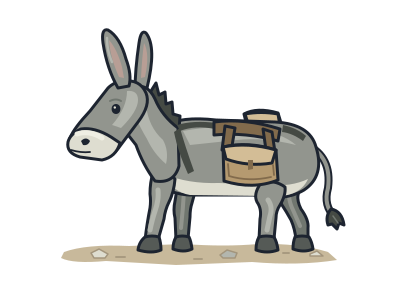
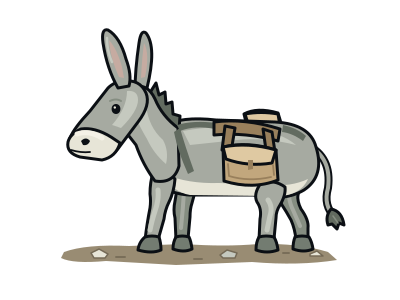
- DonkeyDescended from the African wild ass; genetic evidence places domestication about 7,000 years ago.
- Przewalski’s horseA stocky Mongolian horse that vanished from the wild in the 1960s and was returned from zoos.
- Grévy’s zebraThe largest zebra, with narrow stripes, big round ears and a white belly.