A species
Horse
Equus caballus
One toe, many-toed ancestors.
You and the horse meet in the Placental mammals branch, shown at about 95 million years ago (on 23 December, in a calendar from life's shared ancestor to today).
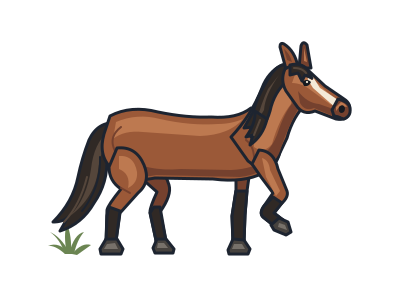
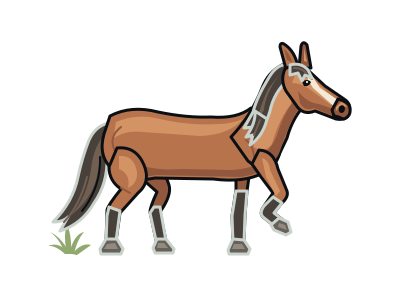
A horse runs on just one toe on each foot: an enlarged middle toe wrapped in a hoof. Zebras and donkeys share this surprising foot design. They belong to the same close family, while rhinoceroses and tapirs belong to the wider group of odd-toed hoofed mammals.
Early horse ancestors had four hooved toes on each front foot and three on each back foot. Later forms had three on every foot. Today's horse still carries small clues to that past. Small bones beside its main lower-leg bone are leftovers from the upper parts of the lost side toes.
This was not a straight march towards bigger horses with fewer toes. The fossil family tree had many branches: some later horses were smaller than earlier ones, and some kept three toes. A modern horse's hoof has a thick outer covering made of keratin, the same material as your fingernails.
Quick to stand
A newborn foal can usually stand within about an hour of birth.
Life together
Free-roaming horses are social animals that form herds.
Working alongside people
People have used horses to carry passengers and goods, pull farm equipment, and take part in sport and recreation.
Next to it on the tree
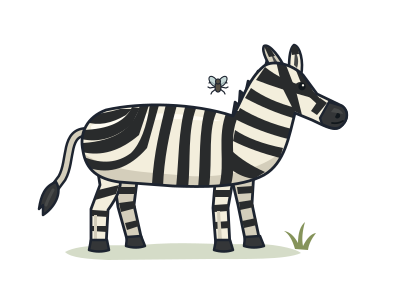
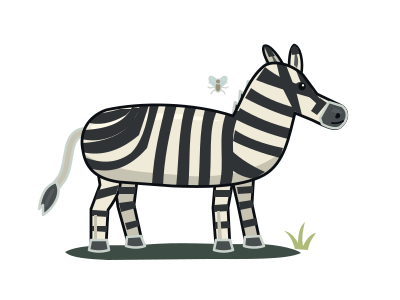
- Plains zebraA wild horse whose stripes deter biting flies.
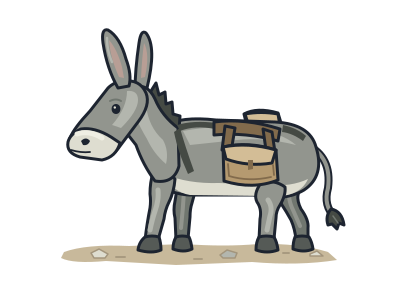
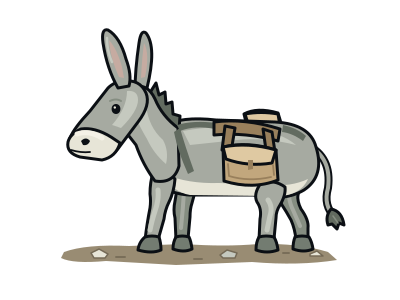
- DonkeyDescended from the African wild ass; genetic evidence places domestication about 7,000 years ago.
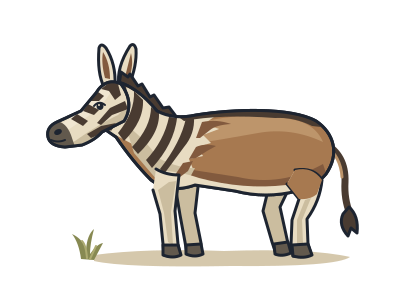
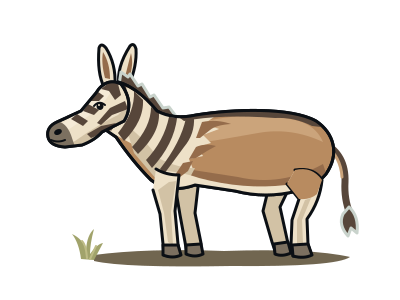
- QuaggaA half-striped form of the plains zebra; short pieces of its DNA were read in 1984.
- Przewalski’s horseA stocky Mongolian horse that vanished from the wild in the 1960s and was returned from zoos.
- Grévy’s zebraThe largest zebra, with narrow stripes, big round ears and a white belly.