A species
Plains zebra
Equus quagga
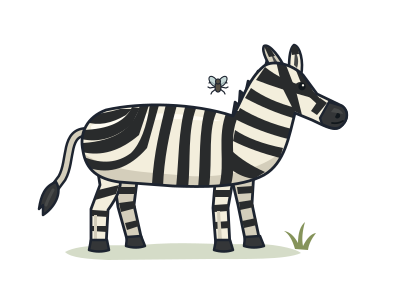
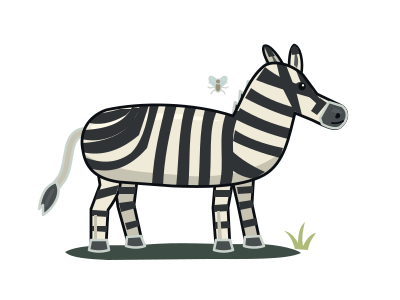
A wild horse with stripes that deter biting flies.
You and the plains zebra meet in the Placental mammals branch, shown at about 95 million years ago (on 23 December, in a calendar from life's shared ancestor to today).
The plains zebra is a wild member of the horse family, closely related to horses and donkeys. Its stripes help deter biting horseflies. Under that striking coat is a familiar horse-like body, with each foot supported by a single toe inside a hoof.
Experiments found that horseflies landed successfully on zebras much less often than on domestic horses. The stripes did not stop flies approaching from a distance. Instead, flies nearing zebras often failed to slow down properly for landing. Horses wearing striped fabric coats also received fewer landings than when they wore plain black or white coats. Stripes help, but they do not make a zebra fly-proof.
Plains zebras live across eastern and southern Africa, feeding mainly on grass. A typical family has one adult male, several adult females and their young. Many families can gather into herds of several hundred while keeping their own bonds. Some populations follow fresh grass on seasonal journeys; others do not.
An individual pattern
Each zebra has a distinctive stripe pattern that people can use to recognise it.
Grooming with teeth
Family members care for one another’s coats by gently nibbling and scraping them with their teeth.
A helpful neighbour
Two zebras may stand head-to-tail, letting each animal’s tail swish flies away from its companion.
Next to it on the tree
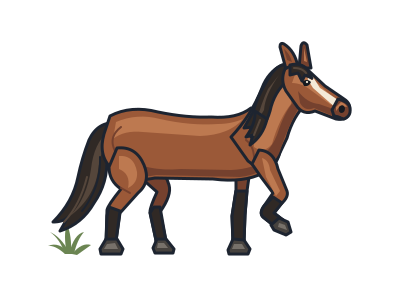
- HorseRuns on a single toe per foot; its ancestors had three or four.
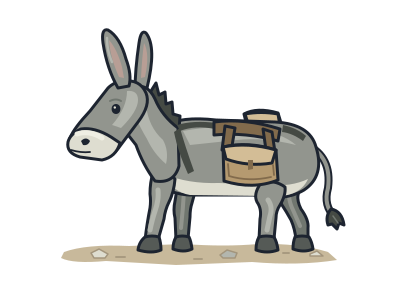
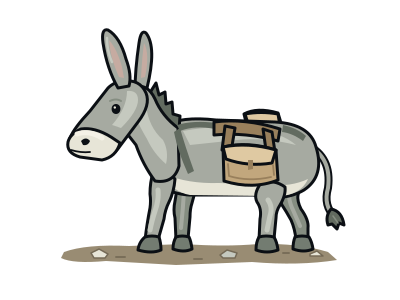
- DonkeyDescended from the African wild ass; genetic evidence places domestication about 7,000 years ago.
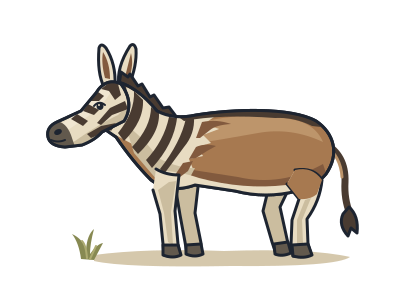
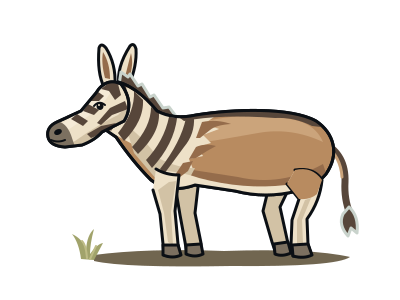
- QuaggaA half-striped form of the plains zebra; short pieces of its DNA were read in 1984.
- Przewalski’s horseA stocky Mongolian horse that vanished from the wild in the 1960s and was returned from zoos.
- Grévy’s zebraThe largest zebra, with narrow stripes, big round ears and a white belly.