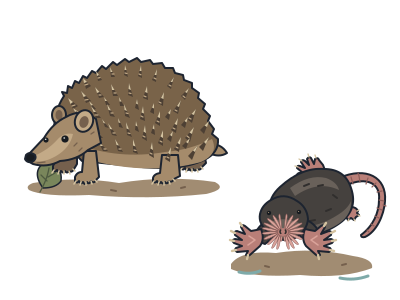
A group of living things
Hedgehogs, moles and shrews
Eulipotyphla
An old way of life, with surprising new twists
This branch is shown at about 70 million years ago; its age is a rough estimate.
You and hedgehogs, moles and shrews meet in the Placental mammals branch, shown at about 95 million years ago (on 23 December, in a calendar from life's shared ancestor to today).
Hedgehogs, moles and shrews carry on a very old mammal way of life: hunting insects and other small animals. Yet their wider branch of the mammal tree also includes bats, horses and whales. Keeping an old lifestyle does not mean they stopped evolving. Their group includes hunters that search above ground, dig underground or swim.
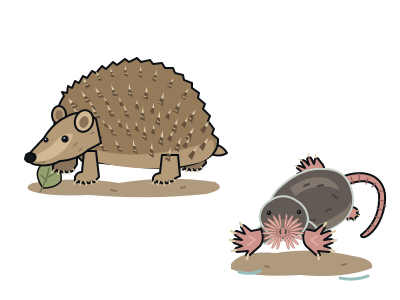
A European hedgehog searches for food at night, eating beetles, earthworms and other small animals. By day, it shelters in places such as the cover beneath bushes in parks and gardens. Calling these animals insect-hunters does not mean insects are their only food.
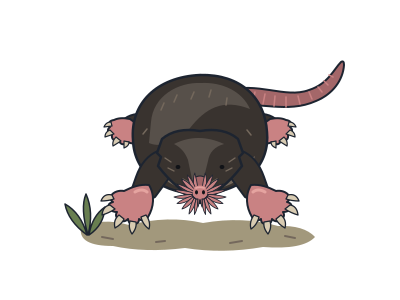
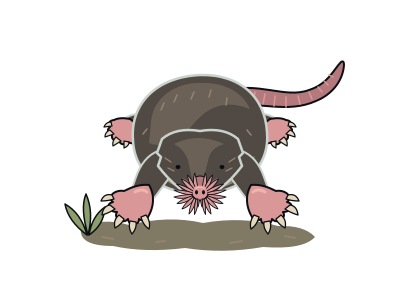
The star-nosed mole shows how specialised this group has become. It explores objects by touching them with its remarkable nose. The smallest central pair of fleshy rays makes especially detailed inspections. These relatives share an old hunting lifestyle, but they have evolved very different ways to find a meal.
Armour made of hair
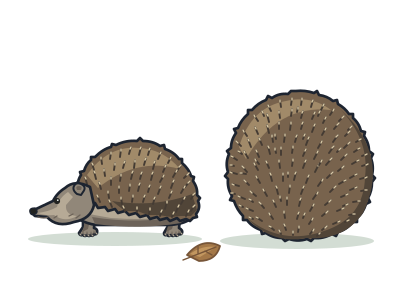
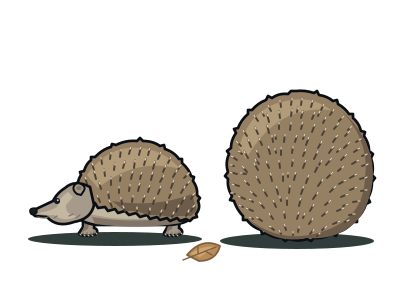
A European hedgehog’s spines are modified hairs. It can roll into a ball for protection.
A nose packed with sensors
A star-nosed mole has 22 fleshy rays around its nose. Together, they carry about 25,000 tiny touch organs.
Fur for reverse gear
Mole fur can lie in either direction, helping the animals move backwards through tunnels.
Inside hedgehogs, moles and shrews
- European hedgehogRolls into a ball of about 6,000 spines.
- Star-nosed moleIts 22 fleshy nose feelers carry thousands of touch organs, supporting an exceptional sense of touch.
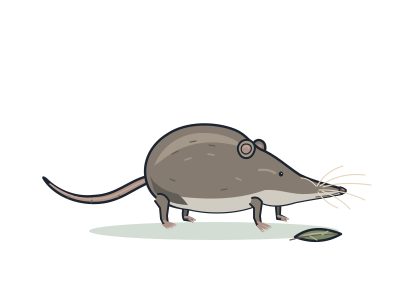
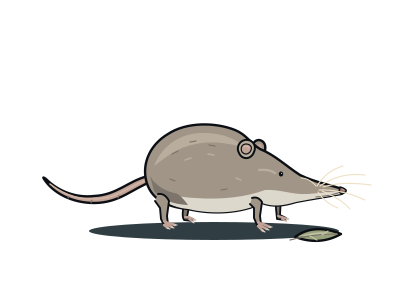
- Etruscan shrewAt about 2 grams, it is the lightest living mammal; the smallest by length is a different animal.
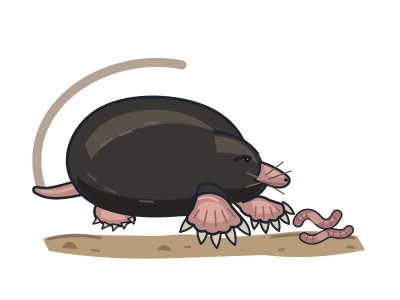
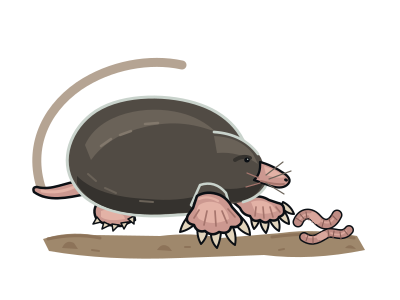
- European moleStores live worms in a larder, paralysed with a bite to the head.
- Hispaniolan solenodonA shrew-like Caribbean survivor with venomous saliva delivered through grooved teeth.
- Pyrenean desmanA swimming mole relative with a long, twitchy trunk-like nose for finding food in streams.
- Northern short-tailed shrewA North American shrew with venomous saliva that helps it subdue prey bigger than itself.
- Eurasian water shrewDives in streams with fringes of stiff hairs on its feet and tail used like paddles.
Next to it on the tree
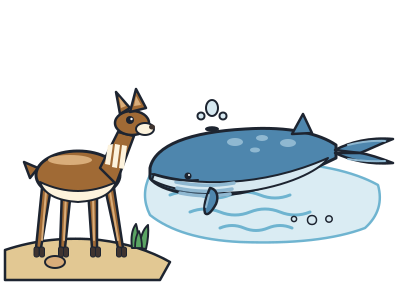
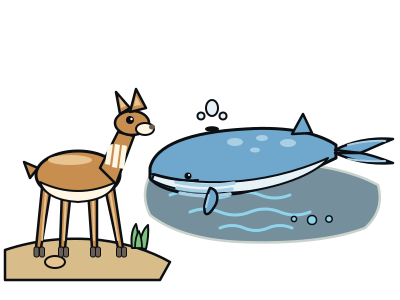
- Even-toed hoofed mammals and whalesWhales evolved from small hoofed land mammals.
- BatsThe only mammals that truly fly; one in five mammal species is a bat.
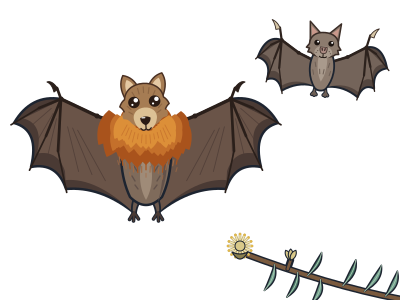
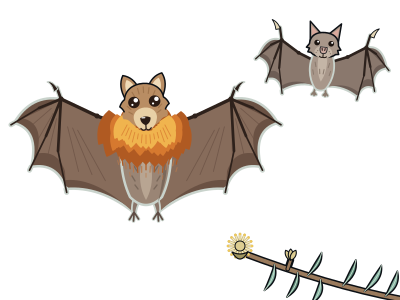
- OnychonycterisA bat from about 52 million years ago that could fly; whether it could echolocate remains debated.
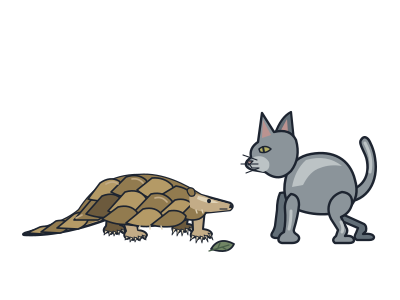
- Pangolins and carnivoransPangolins are the closest living relatives of the whole group containing cats, dogs, bears and seals.
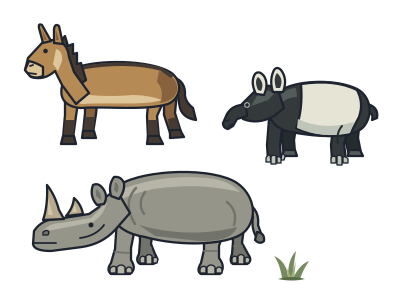
- Odd-toed hoofed mammalsHorses, rhinos and tapirs share an enlarged middle toe; tapirs have four front toes and three rear toes.
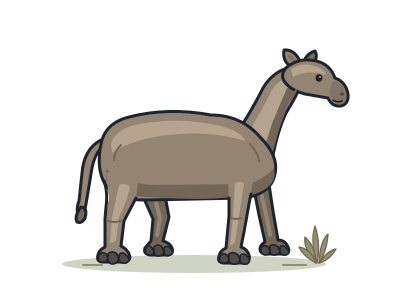
- MacraucheniaA camel-shaped South American beast that baffled Darwin until its proteins were read.
- ToxodonA rhino-sized South American grazer; Darwin bought the first known skull for eighteen pence.