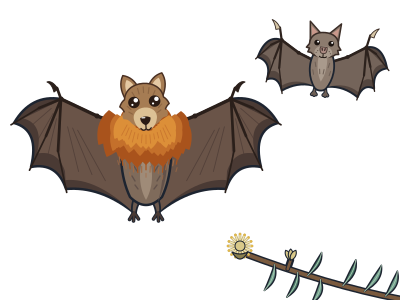
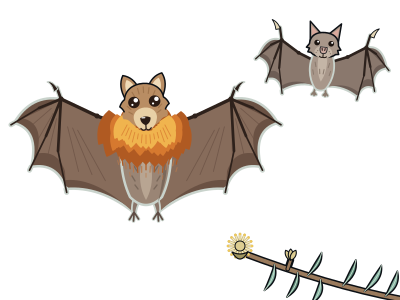
A group of living things
Bats
Chiroptera
The only mammals that truly fly, and one in every five mammal species is a bat
This branch is shown at about 60 million years ago; its age is a rough estimate.
You and bats meet in the Placental mammals branch, shown at about 95 million years ago (on 23 December, in a calendar from life's shared ancestor to today).
Plenty of mammals can glide, but bats are the only ones that truly fly. They flap their wings to stay in the air, just like birds. There are also a lot of them. About one in five kinds of mammal is a bat, and only rodents have more species.
Many people think of bats as flying mice, but they are not close relatives of rodents. On this tree, bats share a big branch with carnivores, pangolins, hoofed mammals and even whales. Hedgehogs, moles and shrews are close neighbours too.
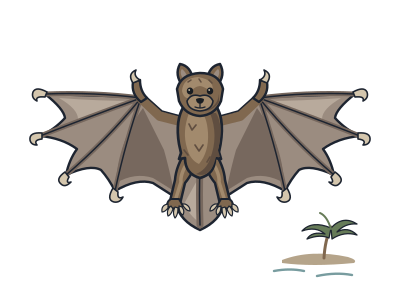
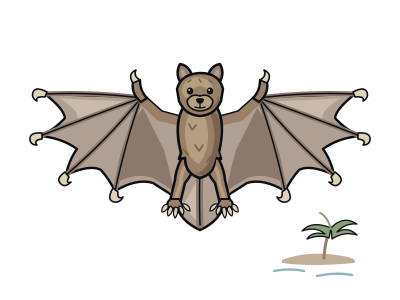
A bat's wing is really a hand. Thin skin stretches between very long finger bones and runs back to the body and leg. Bats come in a huge range of sizes. The smallest weighs about 2 grams, which is less than a 5-cent coin. The biggest flying foxes have wings about 1.6 metres across.
Australia's grey-headed flying fox can fly up to about 50 kilometres in a night to feed on nectar, pollen and fruit. Along the way it helps pollinate and spread the seeds of more than 100 kinds of native plants. The common vampire bat lives from Mexico down to Argentina and Chile, and it feeds only on blood. It makes a tiny cut with razor-sharp front teeth, then laps up the blood instead of sucking it.
Small but long-lived
A tiny Brandt's bat in Siberia, weighing only about 5 to 7 grams, lived to at least 41 years old. That is about 10 times longer than you would expect for a mammal its size.
Not blind at all
All bats can see. Most smaller bats also find their way with echolocation, using calls too high-pitched for us to hear. Most fruit bats don't echolocate. Instead they rely on good eyesight and a keen sense of smell.
A bat that walks
Common vampire bats can walk, run and hop on all fours along the ground. They use their strong back legs and long thumbs to creep up on the animals they feed from.
Inside bats
Next to it on the tree
- Even-toed hoofed mammals and whalesWhales evolved from small hoofed land mammals.
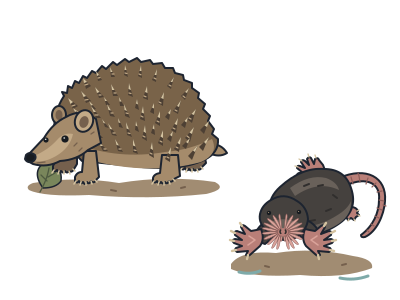
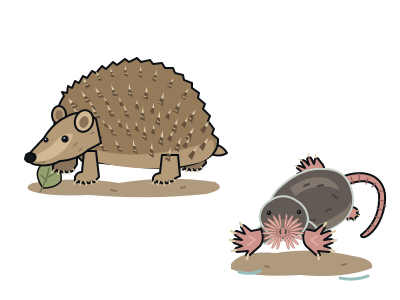
- Hedgehogs, moles and shrewsSmall insect-hunters that kept a very old mammal lifestyle.
- OnychonycterisA bat from about 52 million years ago that could fly; whether it could echolocate remains debated.
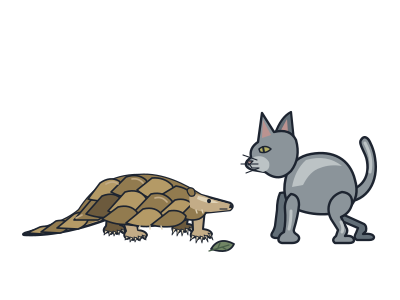
- Pangolins and carnivoransPangolins are the closest living relatives of the whole group containing cats, dogs, bears and seals.
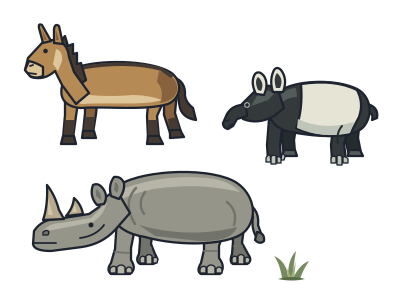
- Odd-toed hoofed mammalsHorses, rhinos and tapirs share an enlarged middle toe; tapirs have four front toes and three rear toes.
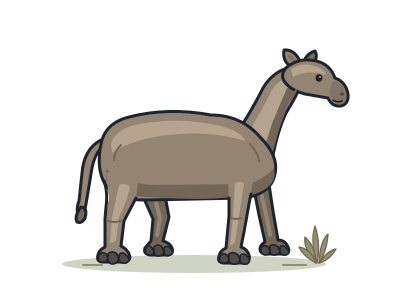
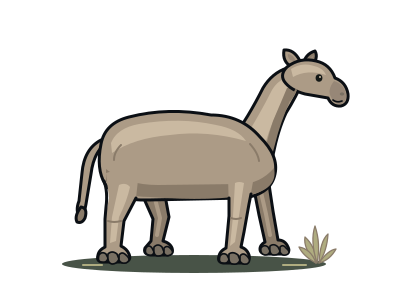
- MacraucheniaA camel-shaped South American beast that baffled Darwin until its proteins were read.
- ToxodonA rhino-sized South American grazer; Darwin bought the first known skull for eighteen pence.