A group of living things
Pangolins and carnivorans
Ferae
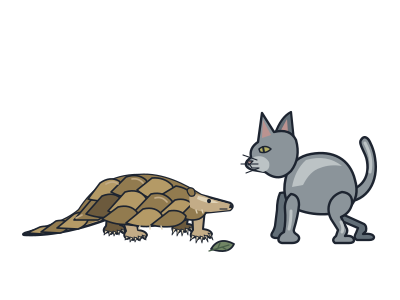
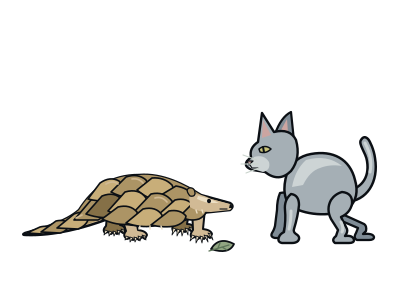
A scaly relative of cats and dogs
This branch is shown at about 75 million years ago; its age is a rough estimate.
You and pangolins and carnivorans meet in the Placental mammals branch, shown at about 95 million years ago (on 23 December, in a calendar from life's shared ancestor to today).
The scaly pangolin has a surprising family connection: pangolins are the closest living relatives of the whole group containing cats and dogs. That group, called carnivorans, also includes bears, raccoons, otters, seals and walruses. Pangolins and carnivorans form two neighbouring branches of the family tree. Neither branch descended from the other, and pangolins do not belong to the cat or dog family.
Their ways of eating can look very different. Most carnivorans have special cheek teeth that cut food like scissors. Pangolins have no teeth at all. Instead, they find ants and termites largely by smell and gather them with long, sticky tongues. When threatened, a pangolin can curl into a tight ball, turning its hard scales towards a predator.
The name carnivoran describes family membership, not a meat-only menu. Some bears and raccoons eat a mixture of foods, while giant pandas eat mainly plants. These relatives also live in very different places: pangolins live in Africa and Asia, while carnivorans occupy habitats ranging from tropical forests and deserts to polar ice and the open ocean.
Scales like fingernails
Pangolin scales are made of keratin, the same material found in our fingernails.
A ride on Mum
Young pangolins often ride on their mother's tail.
Two ways to walk
Cats and dogs walk on their toes. Bears and badgers place the whole foot on the ground.
Inside pangolins and carnivorans
Next to it on the tree
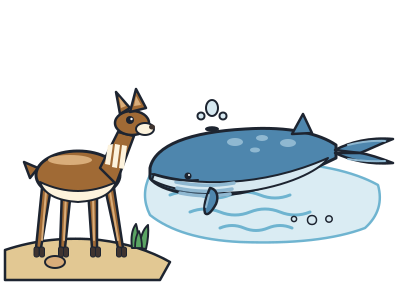
- Even-toed hoofed mammals and whalesWhales evolved from small hoofed land mammals.
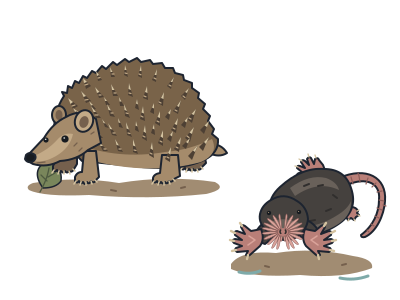
- Hedgehogs, moles and shrewsSmall insect-hunters that kept a very old mammal lifestyle.
- BatsThe only mammals that truly fly; one in five mammal species is a bat.
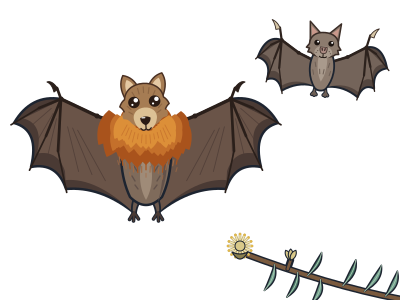
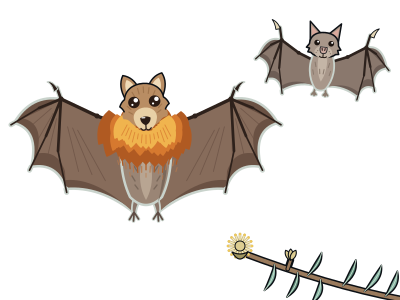
- OnychonycterisA bat from about 52 million years ago that could fly; whether it could echolocate remains debated.
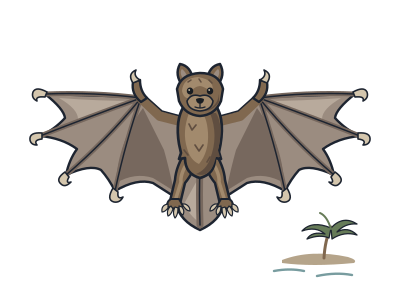
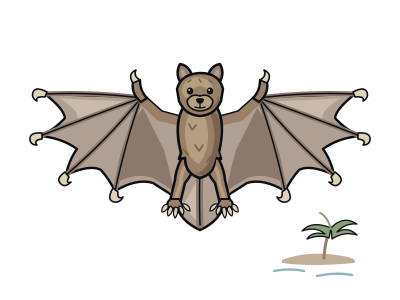
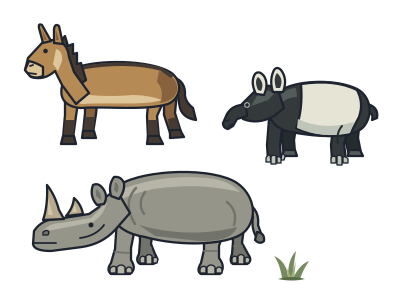
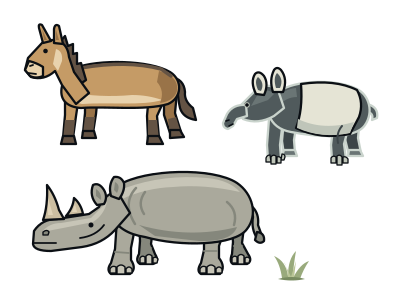
- Odd-toed hoofed mammalsHorses, rhinos and tapirs share an enlarged middle toe; tapirs have four front toes and three rear toes.
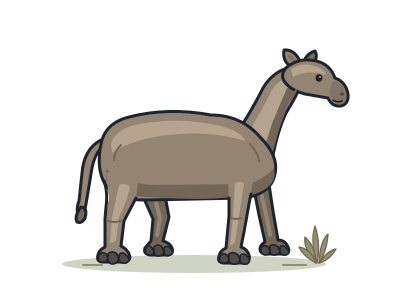
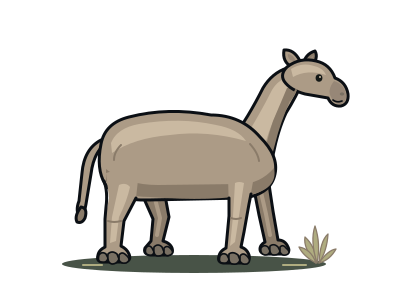
- MacraucheniaA camel-shaped South American beast that baffled Darwin until its proteins were read.
- ToxodonA rhino-sized South American grazer; Darwin bought the first known skull for eighteen pence.