An extinct species
Onychonycteris †
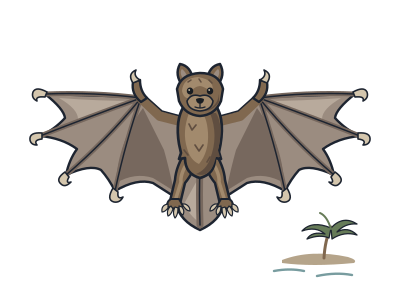
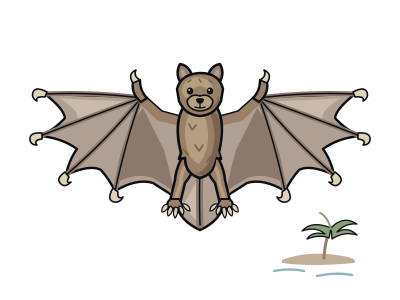
Onychonycteris finneyi
A flying early bat with a disputed echo story.
Lived about 52.5–52 million years ago.
You and the onychonycteris meet in the Placental mammals branch, shown at about 95 million years ago (on 23 December, in a calendar from life's shared ancestor to today).
This early relative of living bats could fly about 52.5 to 52 million years ago. Whether it also found its way by echoes remained disputed. It belonged to the bat family tree, despite its unusual features. Its wing bones and ridged breastbone provided strong evidence that it flapped its wings and flew under its own power.
Its wings were relatively short and broad. Reconstructions put their spread at about 28–32 centimetres, roughly the length of a school ruler. This was an estimate built around fossil bones, not a measurement taken from a living animal.
Two nearly complete skeletons provided much of the evidence. Their bones survived, but researchers reconstructed the full outline of the skin wings using living bats as guides. The shape of its teeth suggested that it mainly ate insects. That diet was inferred from anatomy, rather than directly observed.
Ten wing claws
It had a claw on every finger: five on each wing. Living bats have claws on only one or two fingers per hand.
Different proportions
Compared with other bats, it had relatively long hind legs and short forearms.
Other bats nearby
Other bats lived in the same region at about the same time, including an insect-eater whose ears indicated echo-based navigation.
Next to it on the tree
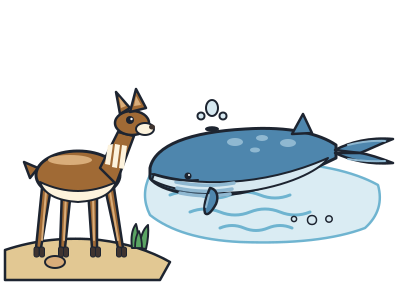
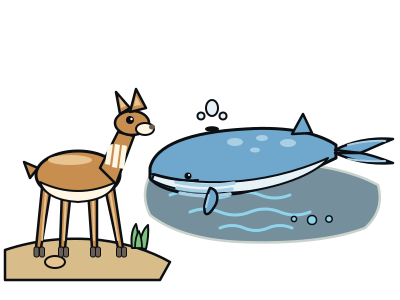
- Even-toed hoofed mammals and whalesWhales evolved from small hoofed land mammals.
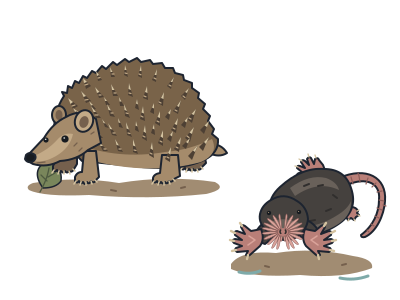
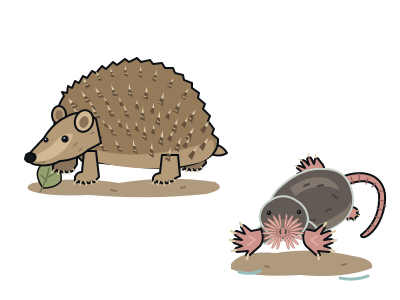
- Hedgehogs, moles and shrewsSmall insect-hunters that kept a very old mammal lifestyle.
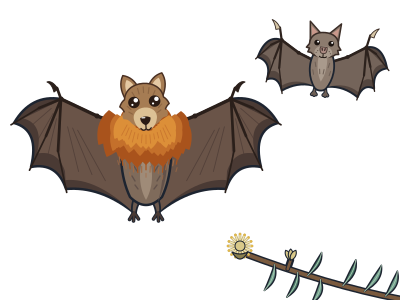
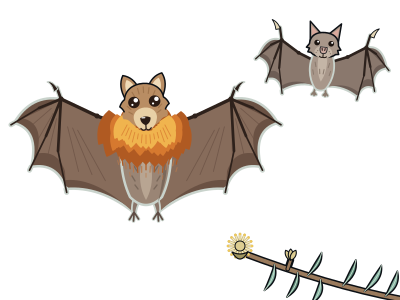
- BatsThe only mammals that truly fly; one in five mammal species is a bat.
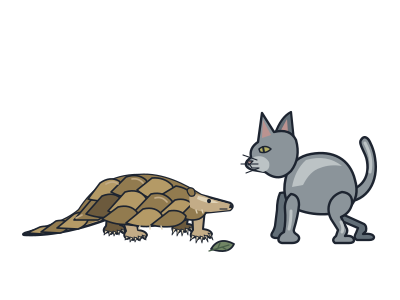
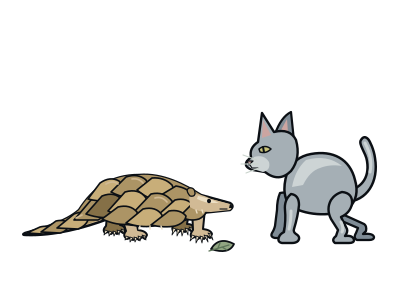
- Pangolins and carnivoransPangolins are the closest living relatives of the whole group containing cats, dogs, bears and seals.
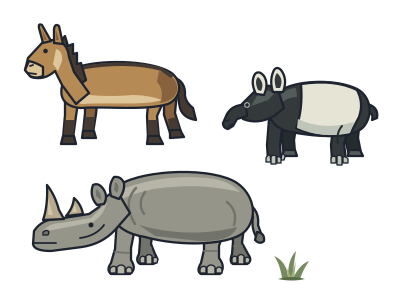
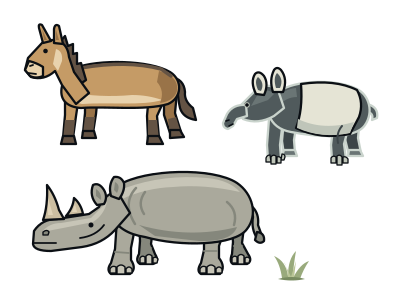
- Odd-toed hoofed mammalsHorses, rhinos and tapirs share an enlarged middle toe; tapirs have four front toes and three rear toes.
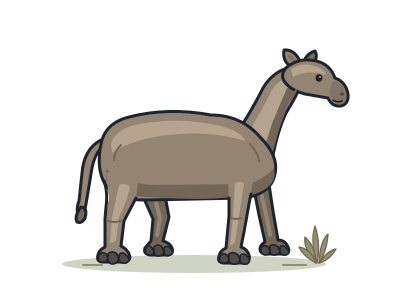
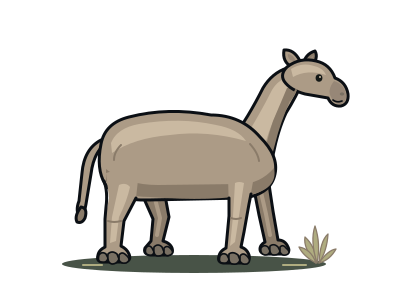
- MacraucheniaA camel-shaped South American beast that baffled Darwin until its proteins were read.
- ToxodonA rhino-sized South American grazer; Darwin bought the first known skull for eighteen pence.