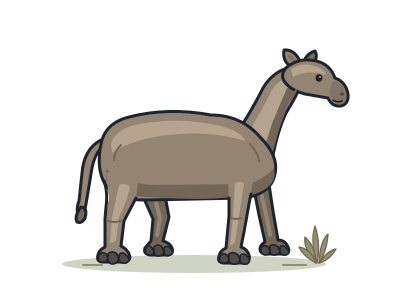
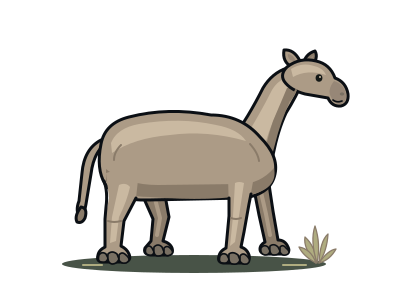
An extinct species
Macrauchenia †
Macrauchenia patachonica
A camel-shaped puzzle solved with ancient proteins
Lived about 2–0.01 million years ago.
You and the macrauchenia meet in the Placental mammals branch, shown at about 95 million years ago (on 23 December, in a calendar from life's shared ancestor to today).
This camel-shaped South American mammal baffled Darwin, yet its closest living relatives were horses, rhinos and tapirs—not camels. It lived about 2 million to 10,000 years ago and ate plants. Its outline was a misleading family clue: different hoofed mammals had evolved similar features without being close relatives.
Darwin found the first specimen known to science in 1834, near Puerto San Julián in Argentine Patagonia. He had only pieces of the puzzle: backbone and limb bones, not a complete skeleton or skull. Later discoveries provided more complete remains, giving researchers more evidence to work with.
In 2015, researchers read ancient collagen, a protein preserved in its fossil bones. Those clues helped untangle relationships that similar-looking skeletons had obscured. The results placed its branch beside the group containing living horses, rhinos and tapirs, rather than inside that group. A separate DNA study in 2017 supported this placement. The camel resemblance had hidden a very different family connection.
A name about its neck
Its name meant ‘long neck’.
Three toes, not two
Each foot had three hoofed toes, unlike the two-toed feet of camels and llamas.
A borrowed bone
A 2023 study showed that a neck bone long assigned to this animal did not belong to it.
Next to it on the tree
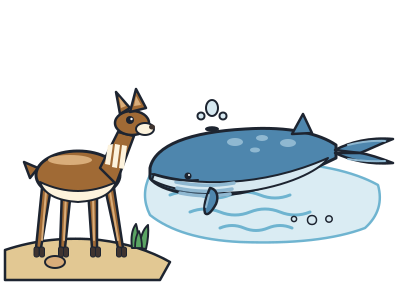
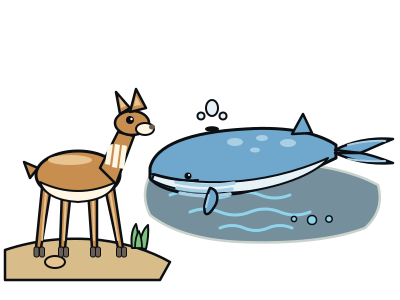
- Even-toed hoofed mammals and whalesWhales evolved from small hoofed land mammals.
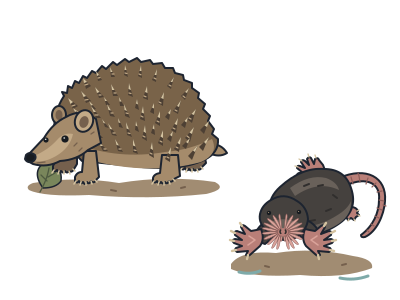
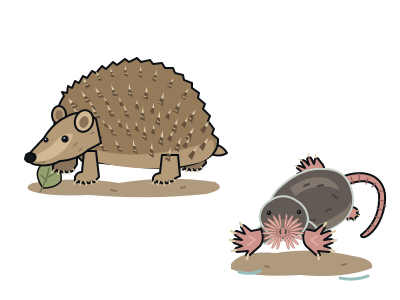
- Hedgehogs, moles and shrewsSmall insect-hunters that kept a very old mammal lifestyle.
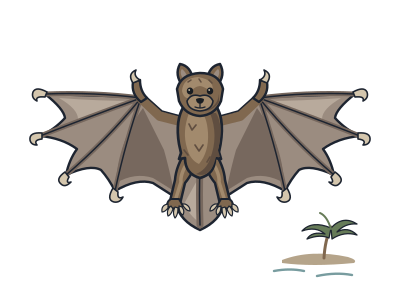
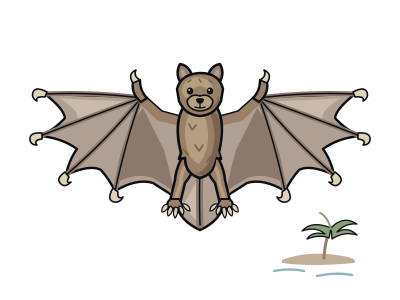
- BatsThe only mammals that truly fly; one in five mammal species is a bat.
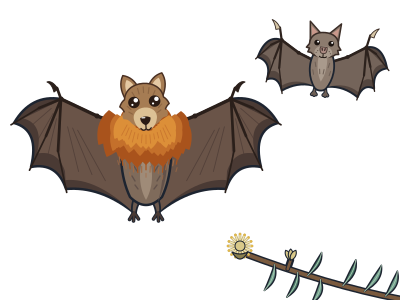
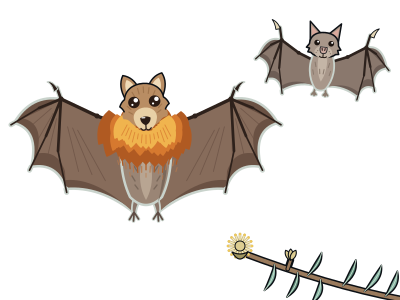
- OnychonycterisA bat from about 52 million years ago that could fly; whether it could echolocate remains debated.
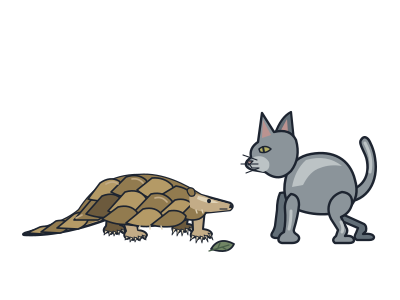
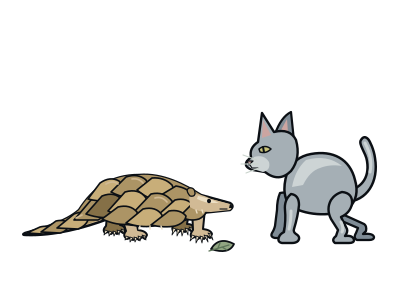
- Pangolins and carnivoransPangolins are the closest living relatives of the whole group containing cats, dogs, bears and seals.
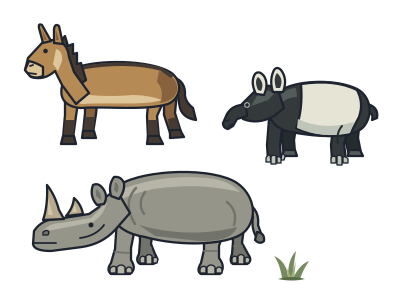
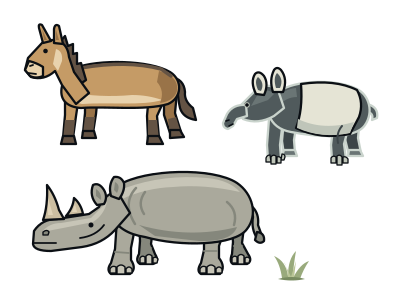
- Odd-toed hoofed mammalsHorses, rhinos and tapirs share an enlarged middle toe; tapirs have four front toes and three rear toes.
- ToxodonA rhino-sized South American grazer; Darwin bought the first known skull for eighteen pence.