A species
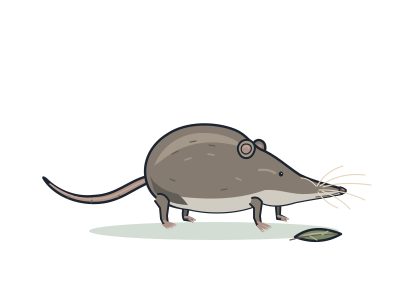
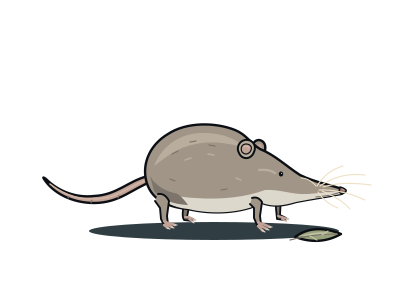
Etruscan shrew
Suncus etruscus
The lightest living mammal
You and the etruscan shrew meet in the Placental mammals branch, shown at about 95 million years ago (on 23 December, in a calendar from life's shared ancestor to today).
The Etruscan shrew is the lightest living mammal, weighing about 2 grams. It belongs to the same larger mammal group as hedgehogs and moles, rather than the rodent group that includes mice. But “smallest” depends on what you measure: the bumblebee bat has a shorter head and body. This shrew’s record is about weight, not length.
In Portugal, it lives in places such as olive groves, vineyards, grassland and gardens. Walls and piles of stones provide shelter for its tiny body. It is mainly active at night, although it can also be out during the day.
Being so tiny brings a challenge: heat escapes easily because it has a large surface compared with the amount of body inside. This contributes to unusually high energy needs. When pursuing prey, it can squeeze into gaps about 7 millimetres wide—less than a centimetre.
Long whiskers
Its longest facial whiskers measure about 12 millimetres—just over a centimetre.
A racing heart
Measured maximum heart rates reach about 1,500 beats a minute, or 25 a second. Its heart does not beat this fast all the time.
White teeth
Its teeth are white, unlike the coloured tooth tips of red-toothed shrews.
Next to it on the tree
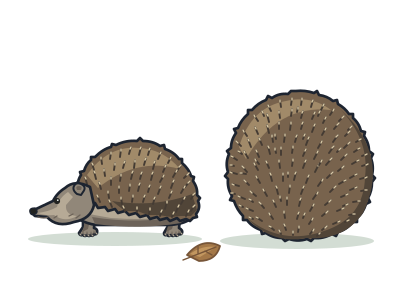
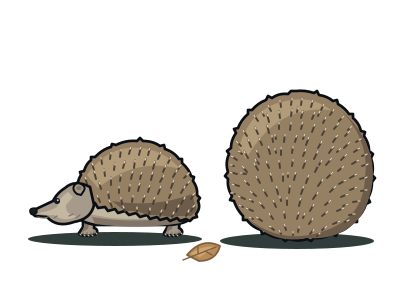
- European hedgehogRolls into a ball of about 6,000 spines.
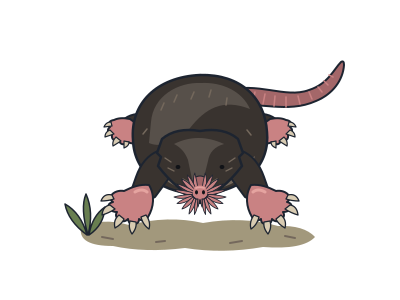
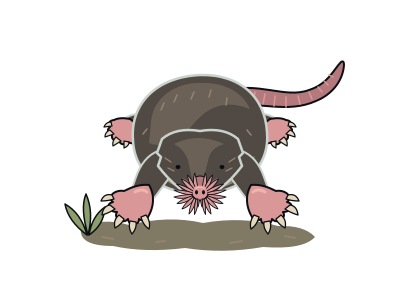
- Star-nosed moleIts 22 fleshy nose feelers carry thousands of touch organs, supporting an exceptional sense of touch.
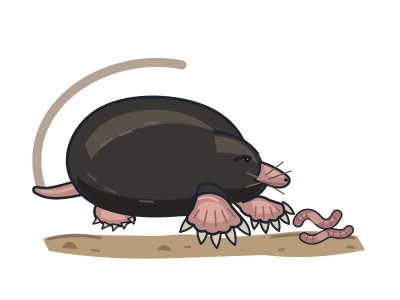
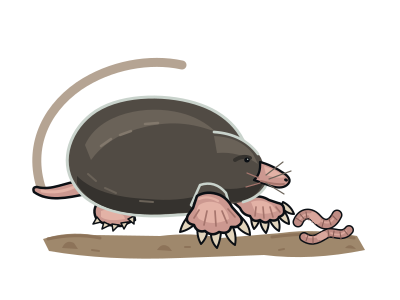
- European moleStores live worms in a larder, paralysed with a bite to the head.
- Hispaniolan solenodonA shrew-like Caribbean survivor with venomous saliva delivered through grooved teeth.
- Pyrenean desmanA swimming mole relative with a long, twitchy trunk-like nose for finding food in streams.
- Northern short-tailed shrewA North American shrew with venomous saliva that helps it subdue prey bigger than itself.
- Eurasian water shrewDives in streams with fringes of stiff hairs on its feet and tail used like paddles.