A species
European mole
Talpa europaea
A tunnel dweller with a living food cupboard
You and the european mole meet in the Placental mammals branch, shown at about 95 million years ago (on 23 December, in a calendar from life's shared ancestor to today).
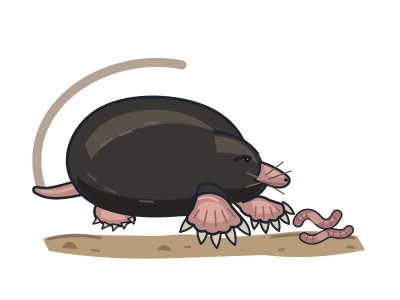
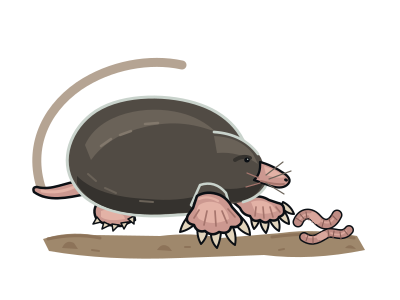
A European mole sometimes keeps a larder of living earthworms underground. A bite to a worm’s head end stops it moving, allowing the mole to store it alive for later. This small mammal belongs to the same wider group as hedgehogs and shrews, despite their very different looks.
Its tunnels are more than passageways: they also work as food traps. The mole patrols them, catching earthworms and insect larvae that enter. Earthworms are its main food, but it also eats other small soil animals, including slugs. Underground nests lined with dry plant material provide places to sleep and raise young.
The heaps of soil called molehills are digging leftovers, not the mole’s whole home. Outside the breeding season, these animals mostly live alone, so many heaps in one garden can be the work of a single mole. They stay active throughout the year, and winter does not put their tunnel building on hold.
Fur that works both ways
Its short, velvety fur can lie in either direction, helping it move forwards and backwards through narrow tunnels.
Hand-me-down tunnels
Permanent feeding tunnels may be reused by several generations of moles.
Not a root eater
Moles do not eat plant roots. Their digging can disturb roots, which explains some damage to garden plants.
Next to it on the tree
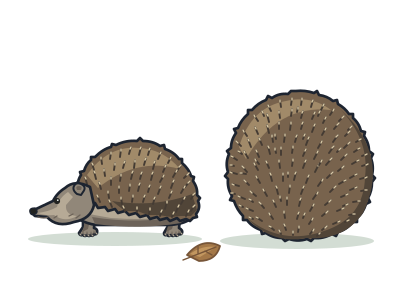
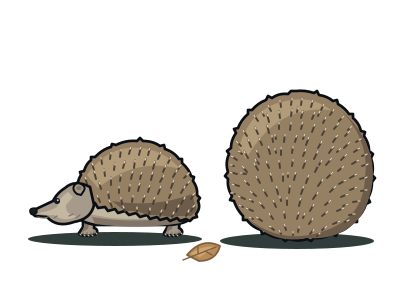
- European hedgehogRolls into a ball of about 6,000 spines.
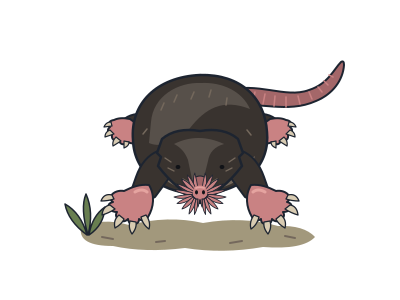
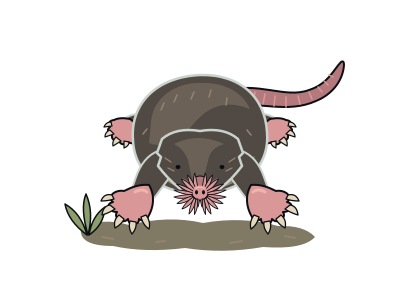
- Star-nosed moleIts 22 fleshy nose feelers carry thousands of touch organs, supporting an exceptional sense of touch.
- Etruscan shrewAt about 2 grams, it is the lightest living mammal; the smallest by length is a different animal.
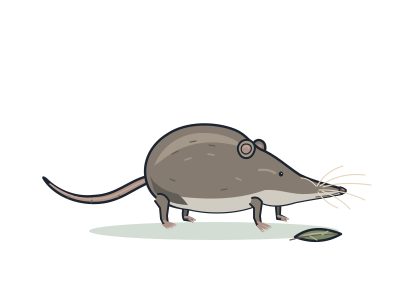
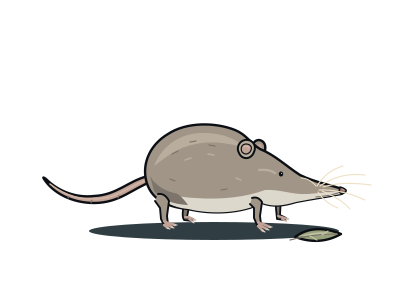
- Hispaniolan solenodonA shrew-like Caribbean survivor with venomous saliva delivered through grooved teeth.
- Pyrenean desmanA swimming mole relative with a long, twitchy trunk-like nose for finding food in streams.
- Northern short-tailed shrewA North American shrew with venomous saliva that helps it subdue prey bigger than itself.
- Eurasian water shrewDives in streams with fringes of stiff hairs on its feet and tail used like paddles.