A group of living things
Brown seaweeds
Phaeophyceae
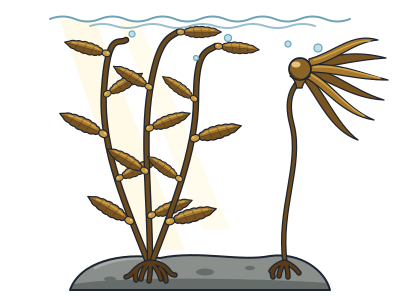
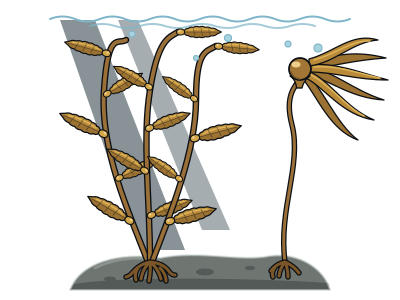
Kelp, wracks and floating sargassum look like plants, but they are not plants.
This branch is shown at about 200 million years ago; its age is a rough estimate.
You and brown seaweeds meet in the Eukaryotes branch, shown at about 1.8 billion years ago (on 28 July, in a calendar from life's shared ancestor to today).
Kelp forests, floating golden rafts of seaweed and the slippery wracks on rocky shores all look like plants. They are not. Brown seaweeds sit on a separate branch of life. On the tree, their relatives include diatoms and the water mould that causes potato blight. They are not closely related to red or green seaweeds either.
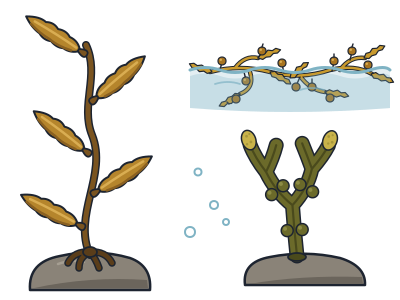
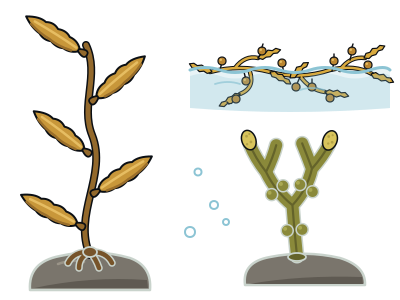
Most get their colour from a golden-brown pigment called fucoxanthin, which land plants do not use. Every known brown seaweed is made of many cells. None lives as a single cell or a simple colony. They range from thread-like tufts a few centimetres long to giant kelp, the largest alga of all. Giant kelp can grow more than 45 metres long, which is longer than a blue whale.
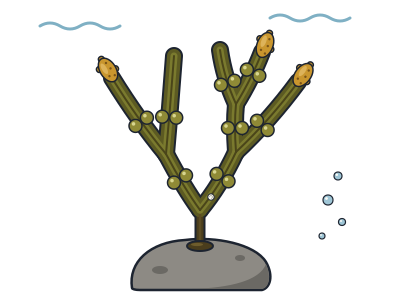
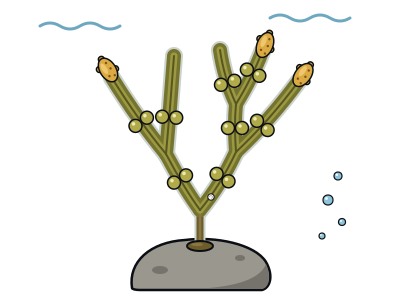
Big brown seaweeds grip the rock with a holdfast. It looks like a root, but it only holds on. The seaweed soaks up what it needs from the seawater around it. Many kelps and wracks also have gas-filled floats that hold their blades up towards the light.
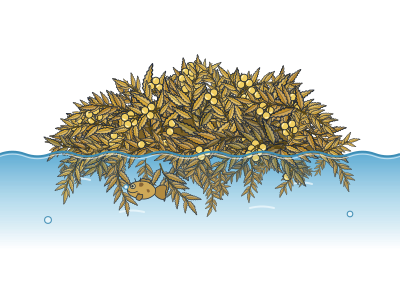
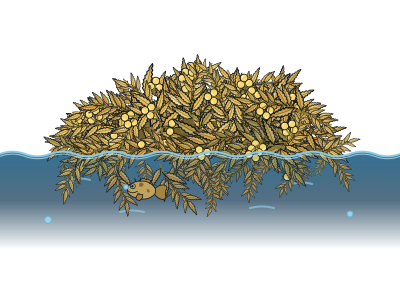
Almost all brown seaweeds live in the sea, mostly in cool waters. Kelp forests shelter thousands of kinds of fish and other animals. Floating sargassum rafts are nurseries for young sea turtles.
Second-hand solar panels
The parts of their cells that capture light are wrapped in four layers of membrane. This suggests that long ago an ancestor swallowed another alga and kept its light-catching parts.
Into fresh water
A few brown seaweeds live in rivers and lakes. Moving from the sea to fresh water has happened at least six separate times.
A sea with no shore
The Sargasso Sea in the North Atlantic is named after the floating brown seaweed sargassum. It is the only sea with no land boundary. Ocean currents mark its edges instead.
Inside brown seaweeds
Next to it on the tree
- DiatomsSingle cells living in glass houses; they make a large share of the oxygen you breathe.
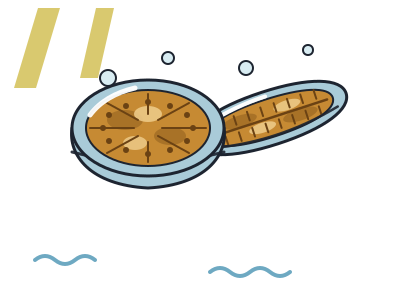
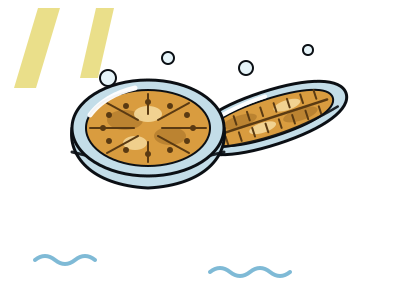
- Potato blightLooks like a fungus but is kin to kelp; it caused the Irish potato famine of the 1840s.
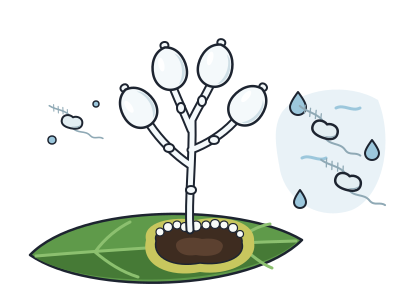
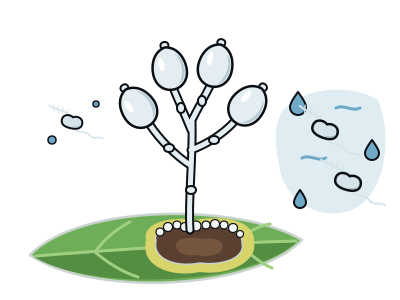
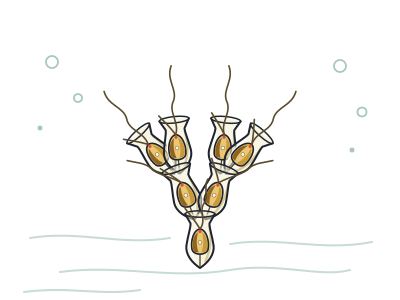
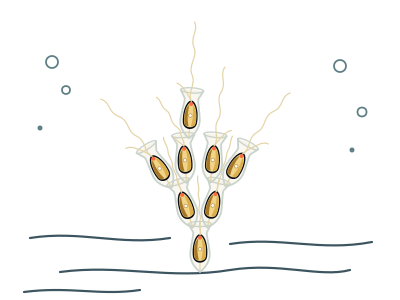
- Golden algaeGolden-brown freshwater algae, some living in stacked vase-shaped homes.
- Water feltA tube-shaped alga whose chloroplasts a sea slug steals and keeps working for months.
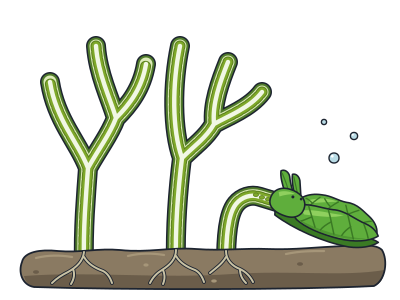
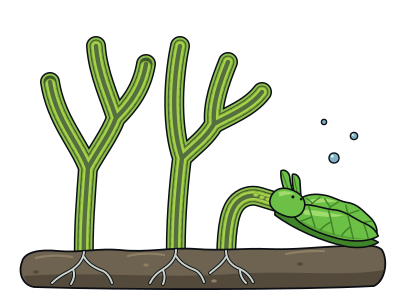
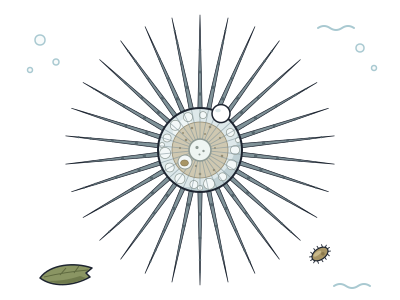
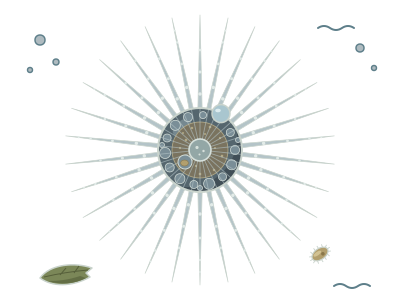
- Sun animalculeA tiny pond sun with stiff, sticky rays that catch passing prey like a spoked trap.