A group of living things
Kelp, diatoms and water moulds
Stramenopiles
Giant kelp, glassy diatoms and potato blight are all linked by one hairy-tailed swimming cell.
This branch is shown at about 1.1 billion years ago; its age is a rough estimate.
You and kelp, diatoms and water moulds meet in the Eukaryotes branch, shown at about 1.8 billion years ago (on 28 July, in a calendar from life's shared ancestor to today).
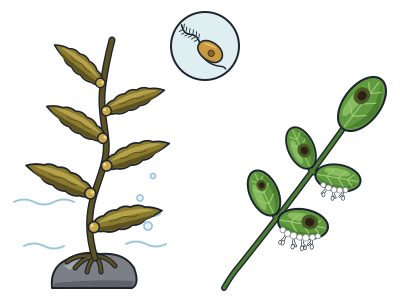
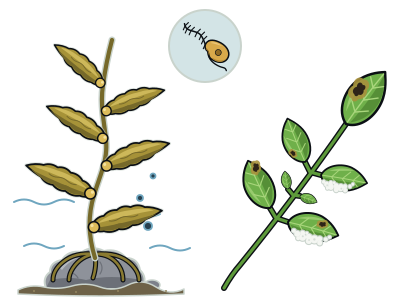
A giant kelp can grow about 50 metres long, about as long as four buses end to end. Most diatoms are far too small to see on their own. The fuzzy mould that rotted Ireland's potatoes in the 1840s looks like a fungus. Yet all three belong to the same branch of the tree of life, and a tiny swimming cell links them.
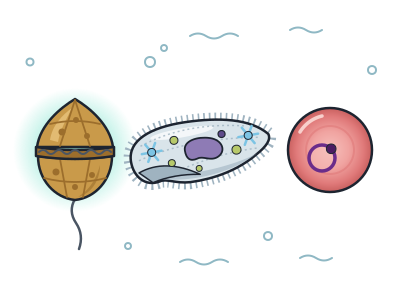
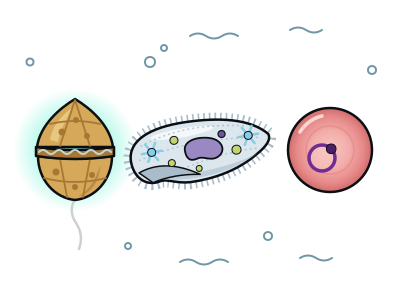
That cell has two different tails. The front tail is fringed with stiff hairs, like a bottle brush. The back tail is smooth, like a whip. The group's name means 'straw hair', after those bristles. Kelp makes swimming cells like this when it reproduces. Potato blight's swimming spores use them to move through thin films of water on leaves. Some members, including most diatoms, have lost the hairs or even the tails. But the pattern points back to an ancestor they all share.
For a long time, scientists counted water moulds as fungi. But their cell walls are made of cellulose, and they are closer to kelp than to any mushroom. Potato blight destroyed the potato crops that set off the Great Irish Famine (1845 to 1852), when more than a million people died. Kelp isn't a plant either. Brown seaweeds built their big bodies separately from plants.
Not just potatoes
Other water moulds cause downy mildew on grapevines and sudden oak death, which kills oak trees. Some even infect fish.
Seaweed in your ice cream
Substances called alginates come from kelp. They are used in toothpaste, in ice cream and in making paper.
A swallowed alga
The members that use sunlight got their light-catching parts, long ago, from a single-celled red alga that was swallowed and kept inside. That is why those parts are wrapped in four layers.
Inside kelp, diatoms and water moulds
- DiatomsSingle cells living in glass houses; they make a large share of the oxygen you breathe.
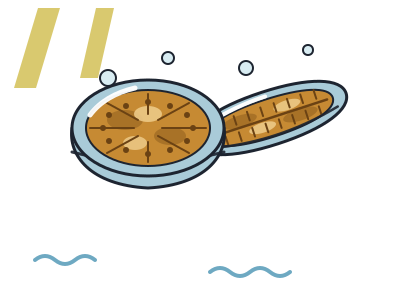
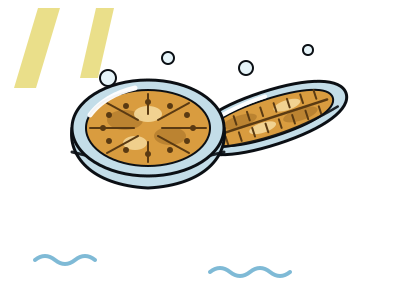
- Potato blightLooks like a fungus but is kin to kelp; it caused the Irish potato famine of the 1840s.
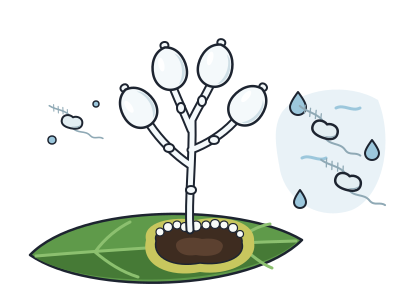
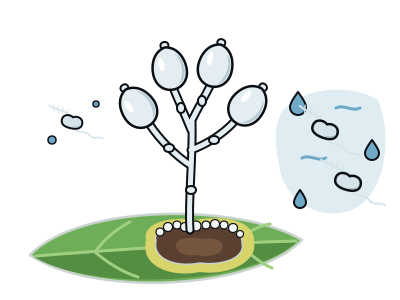
- Golden algaeGolden-brown freshwater algae, some living in stacked vase-shaped homes.
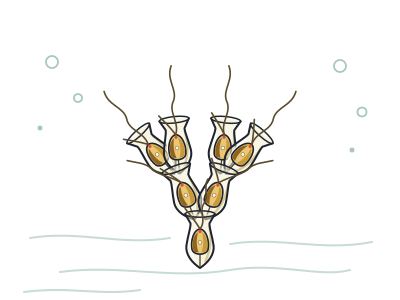
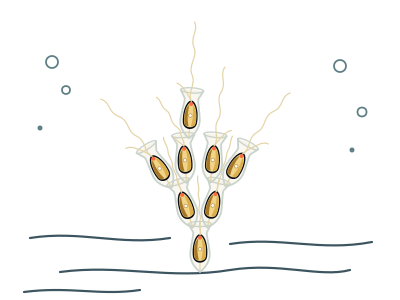
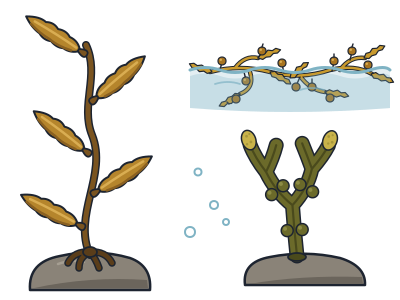
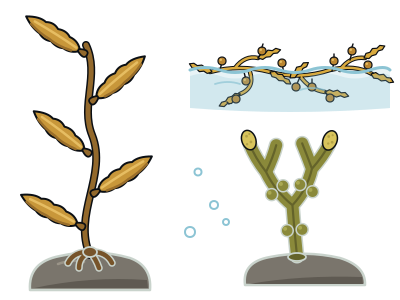
- Brown seaweedsKelp forests, floating golden rafts and rocky-shore wracks are all brown algae, not plants.
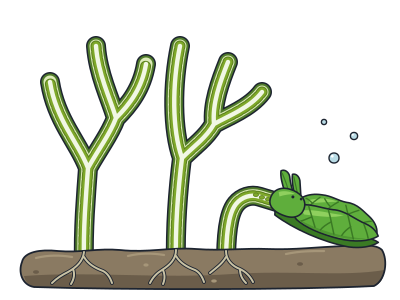
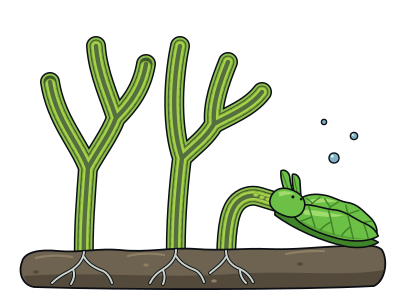
- Water feltA tube-shaped alga whose chloroplasts a sea slug steals and keeps working for months.
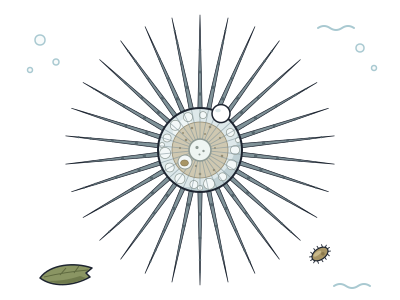
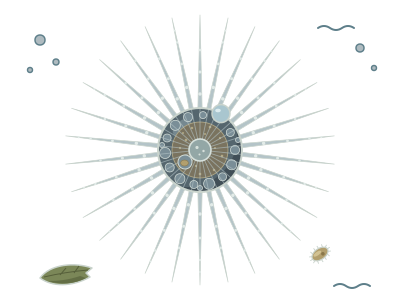
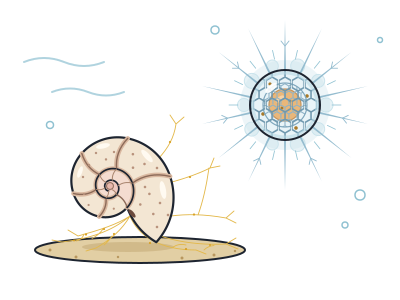
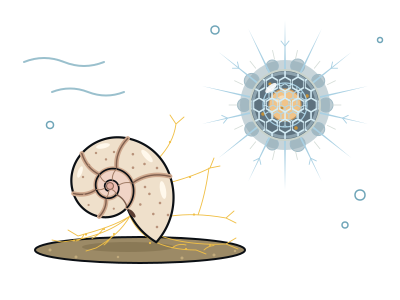
- Sun animalculeA tiny pond sun with stiff, sticky rays that catch passing prey like a spoked trap.