A species
Potato blight
Phytophthora infestans
A fuzzy crop killer that looks like a fungus but is related to kelp.
You and the potato blight meet in the Eukaryotes branch, shown at about 1.8 billion years ago (on 28 July, in a calendar from life's shared ancestor to today).
Potato blight looks just like a mould. In damp weather it grows soft white fuzz on potato leaves, and scientists counted it as a fungus until the late 20th century. But it is not a fungus at all. It is a water mould, and it belongs in the same big group as kelp and other brown seaweeds, and diatoms.
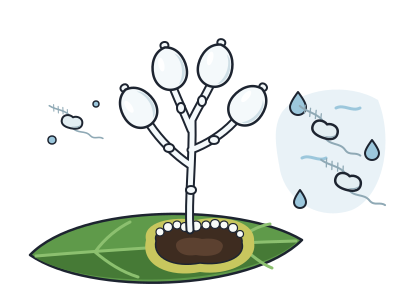
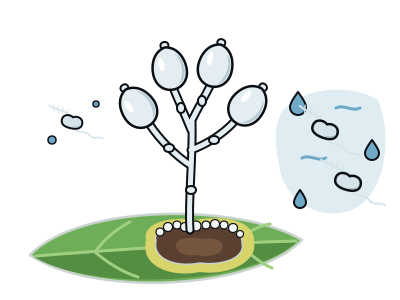
The clues are in its cells. True fungi build their cell walls from chitin, but potato blight uses cellulose. It also stores energy in a substance very like the ones kelp and diatoms use. Its tiny swimming spores each have two different tails, and one is covered in fine hairs.
In 1843 the blight was recorded near Philadelphia and New York in the United States. By 1845 it had reached Europe. In Ireland, many poor families grew and ate almost nothing but one kind of potato, the Irish Lumper, so the blight could wipe out their food. The Great Famine lasted from 1845 to 1852. About a million people died, many from diseases that struck people already weak from hunger. Ireland lost about a quarter of its people to death and emigration.
It is still the leading cause of lost potato crops. Each year the world spends billions of dollars on the damage and on fighting it.
A name that warns you
Its scientific name comes from Greek and Latin words meaning 'plant destroyer' and 'attacking'.
Solved with old leaves
In 2013, scientists read blight DNA from dried potato leaves up to about 170 years old, kept at Kew Gardens in London and in Munich. They found that the famine was caused by a strain they named HERB-1.
Fast and far-flying
In ideal cool, wet weather it can go through its whole life cycle in about five days, and its spore cases can blow on the wind for kilometres.
Next to it on the tree
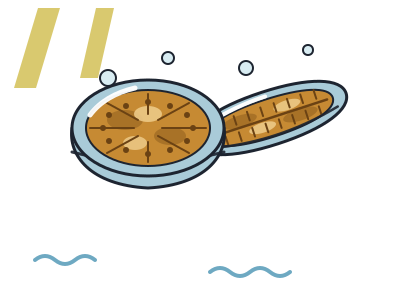
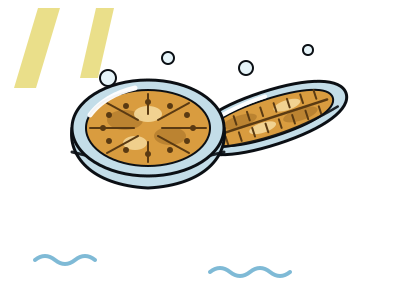
- DiatomsSingle cells living in glass houses; they make a large share of the oxygen you breathe.
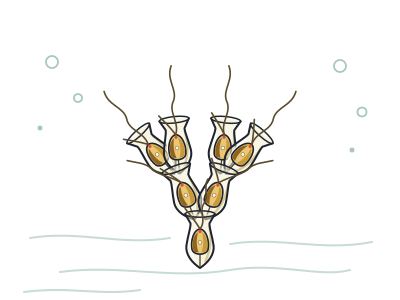
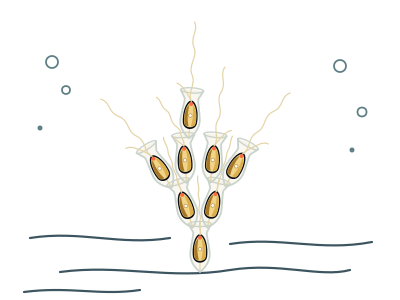
- Golden algaeGolden-brown freshwater algae, some living in stacked vase-shaped homes.
- Brown seaweedsKelp forests, floating golden rafts and rocky-shore wracks are all brown algae, not plants.
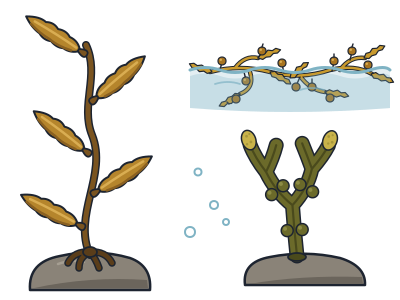
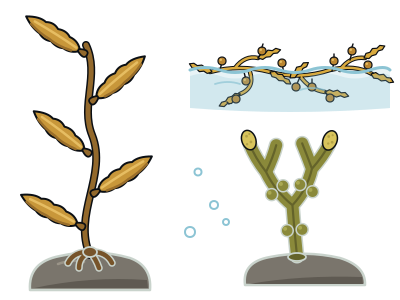
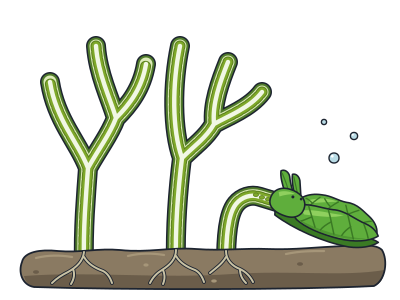
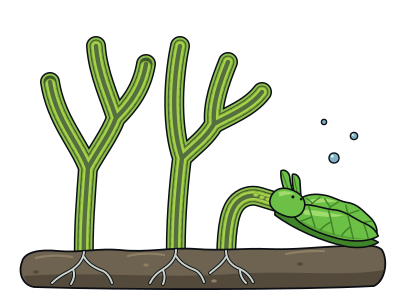
- Water feltA tube-shaped alga whose chloroplasts a sea slug steals and keeps working for months.
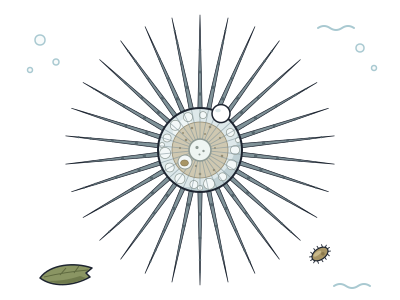
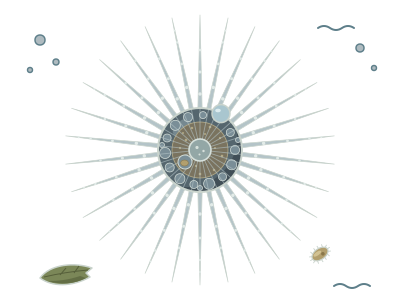
- Sun animalculeA tiny pond sun with stiff, sticky rays that catch passing prey like a spoked trap.