A group of living things
Big cats
Panthera
The roaring cats—with one non-roaring exception.
This branch is shown at about 5 million years ago; its age is a rough estimate.
You and big cats meet in the Placental mammals branch, shown at about 95 million years ago (on 23 December, in a calendar from life's shared ancestor to today).
Meet the roaring cats: lions, tigers, leopards, jaguars and snow leopards. There is one important exception to that nickname: snow leopards cannot roar. They make other calls, including mews, growls and friendly puffs. These five living species form one branch of the cat family. House cats, cheetahs and Eurasian lynxes sit on other branches. Despite its name, the snow leopard is especially closely related to the tiger—not simply a mountain version of the leopard.
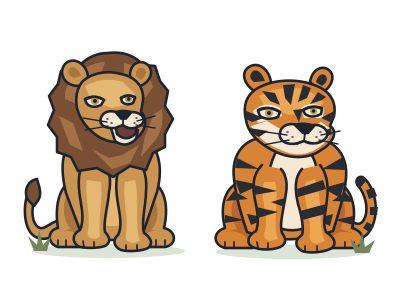
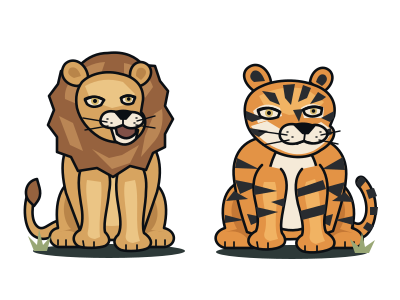
A lion and a tiger show how differently close relatives can live. Lions form lasting groups called prides, usually with related females, their cubs and adult males. Roars help lions recognise one another and announce their territory. Tigers generally live alone, except when a mother is raising cubs or adults meet to breed.
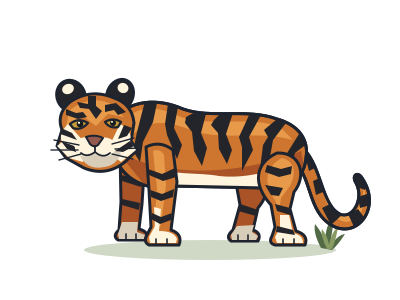
A tiger's stripes help break up its outline among plants. That makes it harder for prey to spot the approaching cat.
Spotted beginnings
Lion cubs are born with dark spots or other markings, unlike the mostly plain coats of adults.
Ready for a swim
Tigers are strong swimmers and enter rivers and pools to cool down.
Claws tucked away
Tigers can pull their claws back inside their paws while walking, helping protect them from wear.
Inside big cats
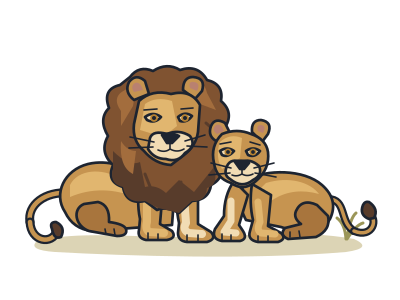
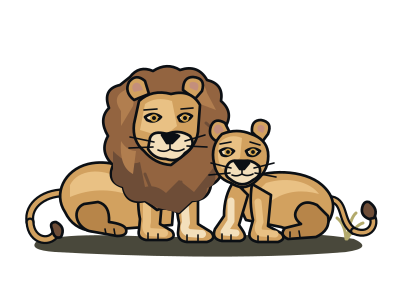
- LionThe cat that normally lives in lasting prides, with related females often forming their core.
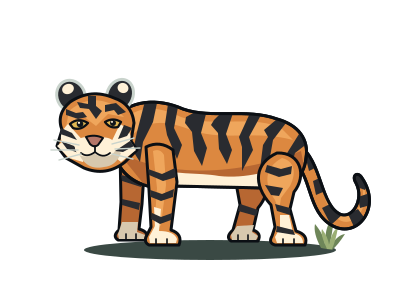
- TigerThe largest living cat; every tiger's stripes are unique.
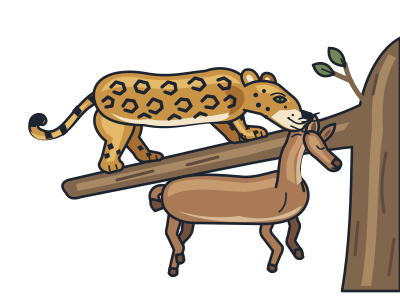
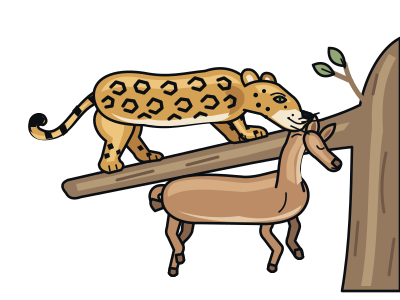
- LeopardHauls prey heavier than itself up into trees.
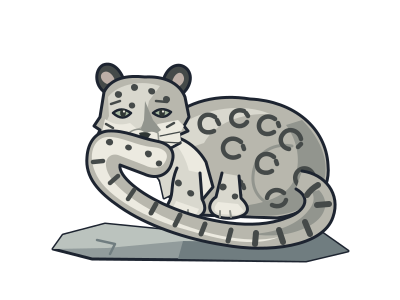
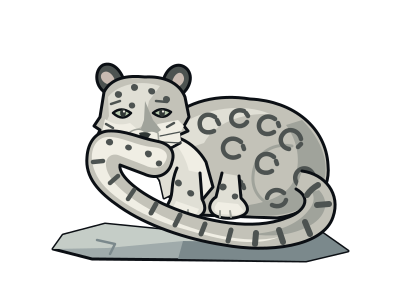
- Snow leopardWraps its thick tail around its face like a scarf.
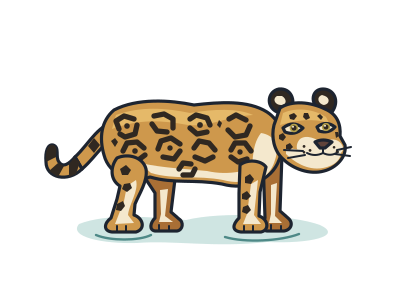
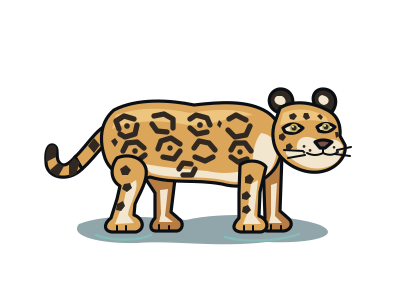
- JaguarA big cat whose bite can crack turtle shells, and a strong swimmer.
- Cave lionAn Ice Age lion of Europe and Siberia that early people painted on cave walls.
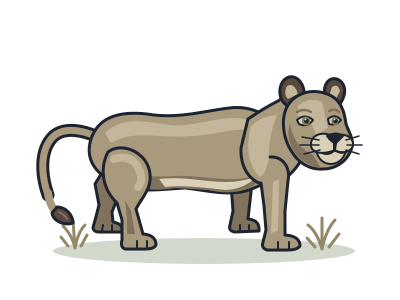
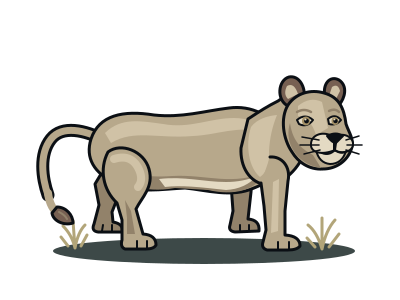
- American lionA lion relative larger than today’s lions that roamed North America until the Ice Age ended.
Next to it on the tree
- House catDomesticated itself by hunting mice in early farmers' grain stores.
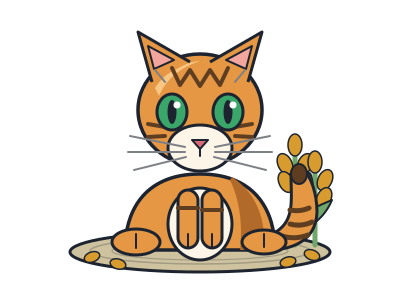
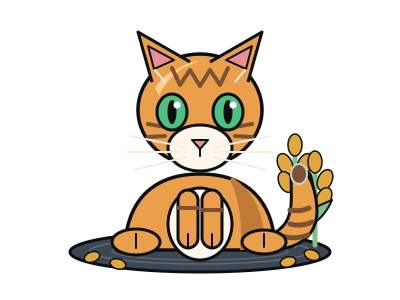
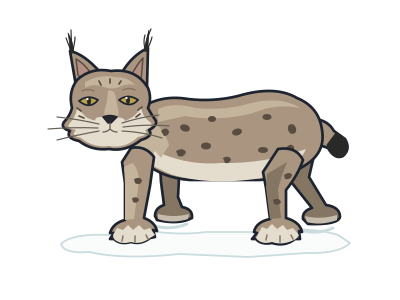
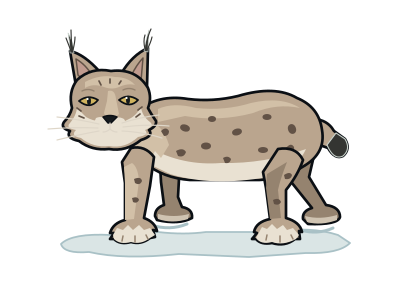
- Eurasian lynxTufted ears and huge furry paws that work like snowshoes.
- Puma and cheetahThe cheetah’s closest living relatives are the puma and jaguarundi of the Americas.
- ServalA leggy African cat with huge ears that hears rodents underground and pounces high.
- OcelotA spotted American cat whose every coat pattern is unique, like a fingerprint.
- Pallas’s catA fluffy, flat-faced cat of cold Asian steppes, famous online for its grumpy expression.
- Clouded leopardThe closest relative of the big cats, with the longest canine teeth for its size of any living cat.