A species
Lion
Panthera leo
Big cats with a lasting family life.
You and the lion meet in the Placental mammals branch, shown at about 95 million years ago (on 23 December, in a calendar from life's shared ancestor to today).
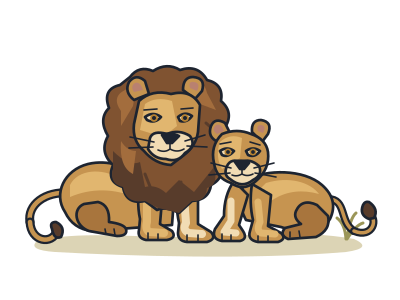
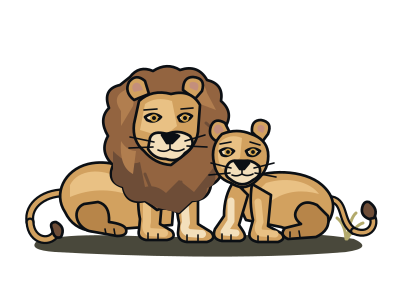
Lions are the only cats that normally live in prides: lasting family groups. They are big-cat relatives of tigers, leopards, snow leopards and jaguars, but this shared family life makes them stand out. Related females form a pride’s lasting core. Their cubs and one or more adult males may also belong.
Female lions often stay in the group where they were born. Several generations of one family can live together. Young males usually leave their birth group. They may team up with brothers or cousins, then later compete for a place with another group.
Family help starts early. Female lions help raise one another’s cubs, and a cub may drink milk from a nursing female other than its mother. Females can also hunt together, with some driving prey towards others waiting out of sight. Their family connection reaches from caring for the youngest members to finding food.
Spotted beginnings
Lion cubs have spotted coats. The markings generally fade as they grow.
Cats in trees
Despite their weight, lions can climb trees and sometimes rest on branches.
A small litter
A female usually has one to four cubs after a pregnancy of about three and a half months.
Next to it on the tree
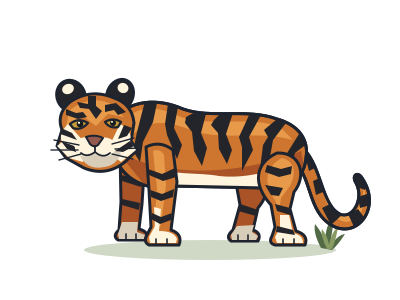
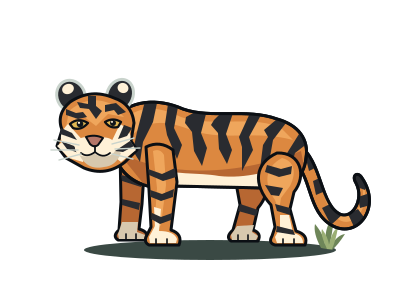
- TigerThe largest living cat; every tiger's stripes are unique.
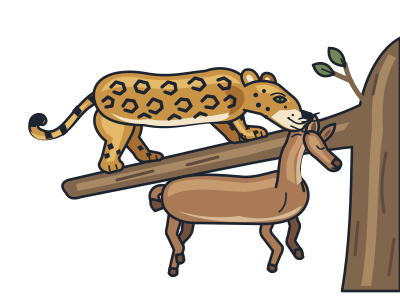
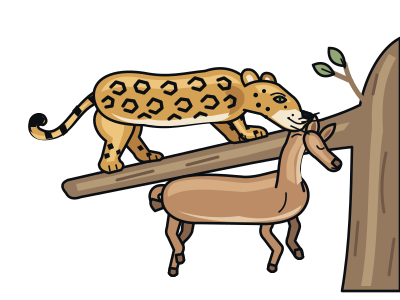
- LeopardHauls prey heavier than itself up into trees.
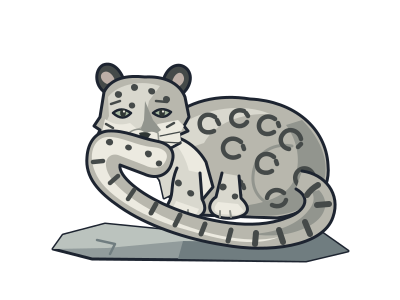
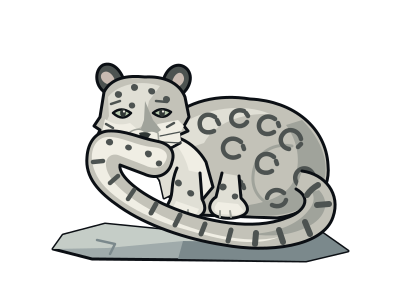
- Snow leopardWraps its thick tail around its face like a scarf.
- JaguarA big cat whose bite can crack turtle shells, and a strong swimmer.
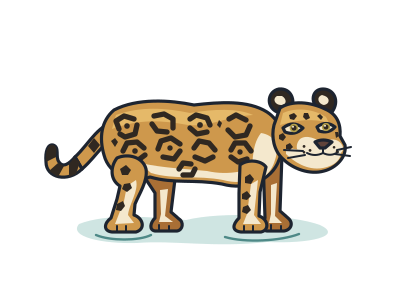
- Cave lionAn Ice Age lion of Europe and Siberia that early people painted on cave walls.
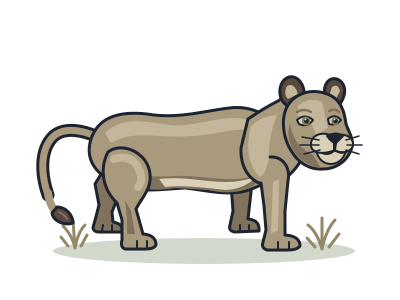
- American lionA lion relative larger than today’s lions that roamed North America until the Ice Age ended.