An extinct species
Cave lion †
Panthera spelaea
The Ice Age lion that people painted on cave walls
Lived about 300,000–14,000 years ago.
You and the cave lion meet in the Placental mammals branch, shown at about 95 million years ago (on 23 December, in a calendar from life's shared ancestor to today).
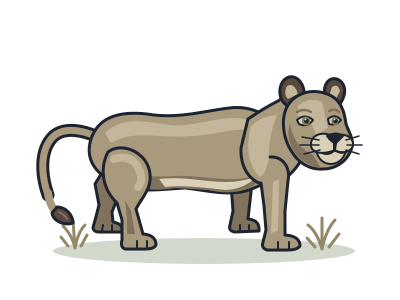
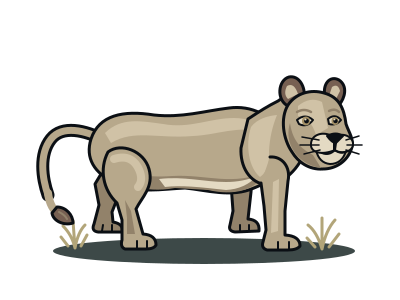
The cave lion was an Ice Age relative of today's lion that roamed Europe and Siberia. Early people painted it on cave walls in France. In Chauvet Cave's Alcove of the Lions, three lions appeared among horses and other animals. Its closest living relative was the lion, rather than the tiger or leopard.
It lived roughly 300,000 to 14,000 years ago, though the earliest boundary was uncertain. Its range stretched across northern Asia and into north-western North America. This was not a cat confined to dark caves. It inhabited cold, open grasslands as well as forests in southern Europe.
Bones revealed its body structure, but frozen cubs preserved much more. A cub named Sparta still had fur, whiskers, skin and teeth, along with soft tissues inside its body. These remains offered direct evidence of a young cave lion's appearance, rather than just an outline built from bones.
Neighbours, not littermates
Sparta and another cub, Boris, were found about 15 metres apart in Siberia. Yet they lived thousands of years apart.
Very young cubs
Sparta and Boris were estimated to have been about one or two months old when they died.
A layer for warmth
The frozen cubs had a long, thick layer of fur beneath their outer coats. Researchers suggested that this helped them cope with the cold.
Next to it on the tree
- LionThe cat that normally lives in lasting prides, with related females often forming their core.
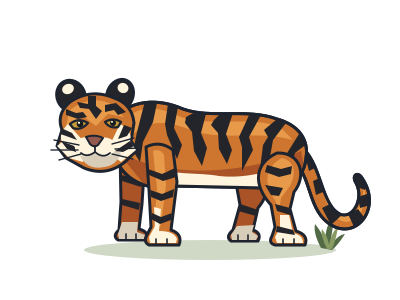
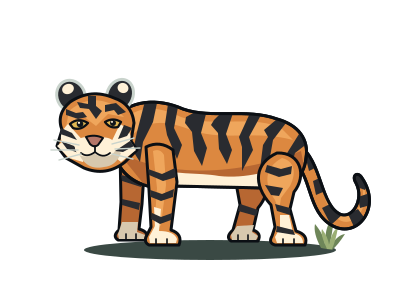
- TigerThe largest living cat; every tiger's stripes are unique.
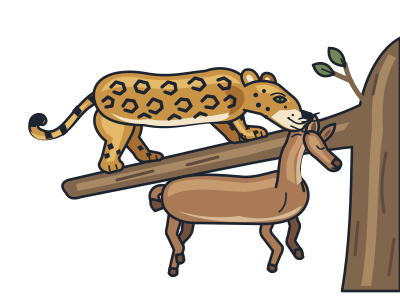
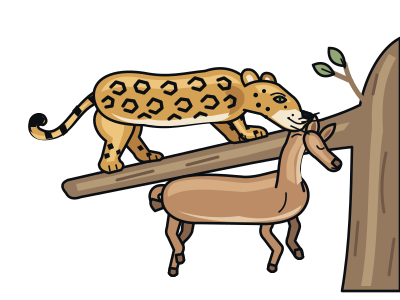
- LeopardHauls prey heavier than itself up into trees.
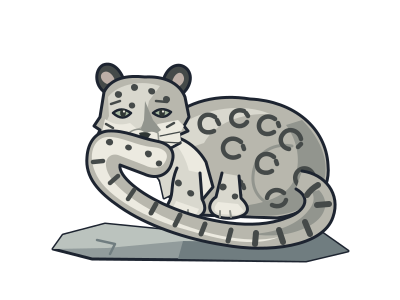
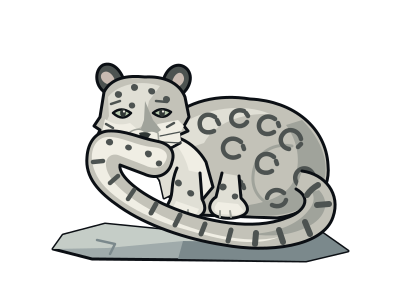
- Snow leopardWraps its thick tail around its face like a scarf.
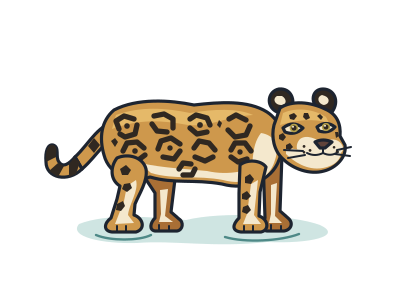
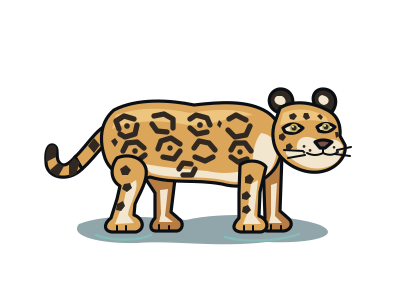
- JaguarA big cat whose bite can crack turtle shells, and a strong swimmer.
- American lionA lion relative larger than today’s lions that roamed North America until the Ice Age ended.