A species
Leopard
Panthera pardus
A big cat that carries heavy meals into the treetops.
You and the leopard meet in the Placental mammals branch, shown at about 95 million years ago (on 23 December, in a calendar from life's shared ancestor to today).
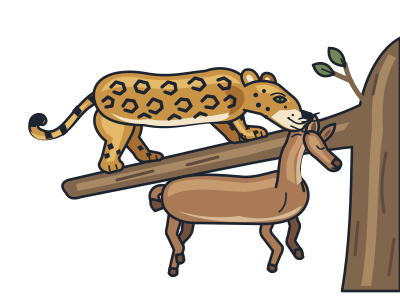
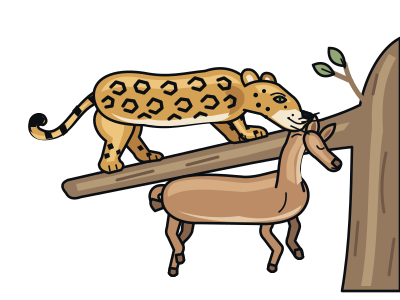
A leopard can carry prey heavier than itself up a tree, holding the load in its jaws. This powerful climber belongs to the same group of big cats as lions, tigers, jaguars and snow leopards. Its long tail helps it balance along narrow branches.
Lifting a meal above the ground helps keep it away from food thieves such as spotted hyenas. But leopards do not carry every meal into a tree. A South African study followed 104 leopards and recorded about 2,000 kills. About half were lifted into trees. That is a finding from one area, not a rule for leopards everywhere.
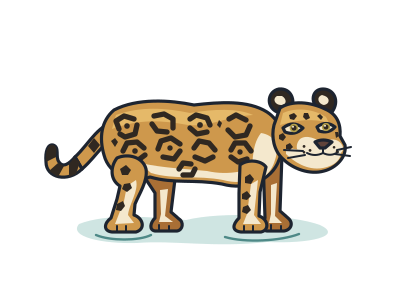
On the ground, a leopard usually stalks close before pouncing, rather than chasing over long distances. Flower-like markings called rosettes help break up its outline among plants. Leopards live in scattered populations across Africa and Asia, in habitats ranging from rainforests and woodland to deserts and mountains.
Hidden markings
Nearly black leopards still have coat markings. These can become visible in suitable light.
Mostly alone
Adults generally live alone, although mothers are accompanied by their cubs.
Not always night-time cats
Many leopards are active at night, but some undisturbed rainforest populations in Gabon are mainly active by day.
Next to it on the tree
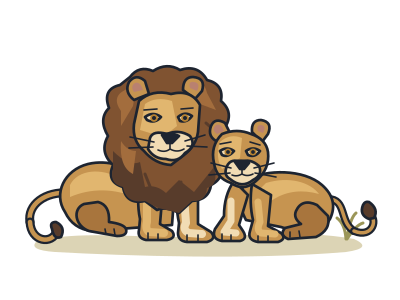
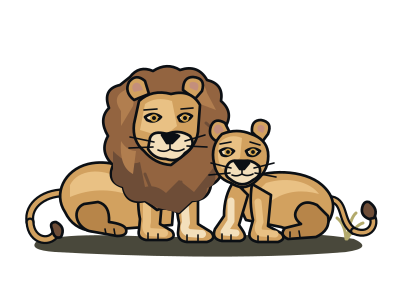
- LionThe cat that normally lives in lasting prides, with related females often forming their core.
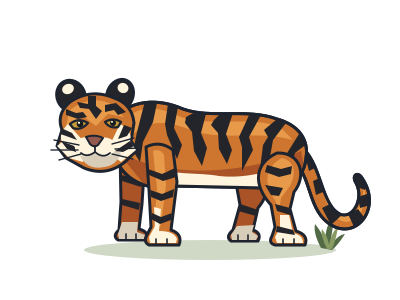
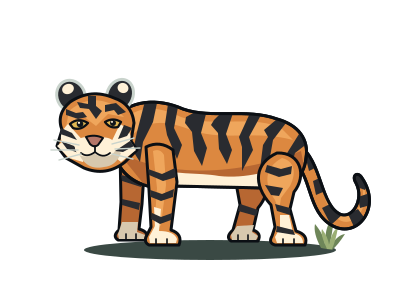
- TigerThe largest living cat; every tiger's stripes are unique.
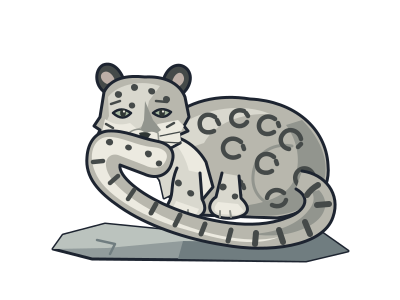
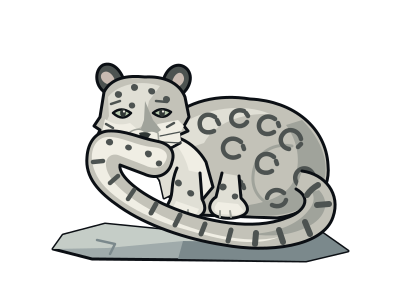
- Snow leopardWraps its thick tail around its face like a scarf.
- JaguarA big cat whose bite can crack turtle shells, and a strong swimmer.
- Cave lionAn Ice Age lion of Europe and Siberia that early people painted on cave walls.
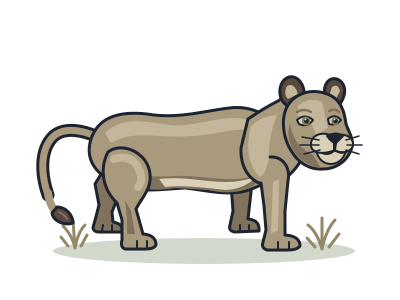
- American lionA lion relative larger than today’s lions that roamed North America until the Ice Age ended.