A species
Tiger
Panthera tigris
The biggest living cat, with stripes like no other.
You and the tiger meet in the Placental mammals branch, shown at about 95 million years ago (on 23 December, in a calendar from life's shared ancestor to today).
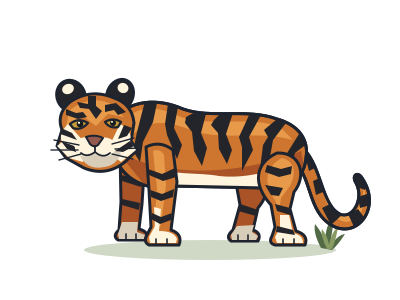
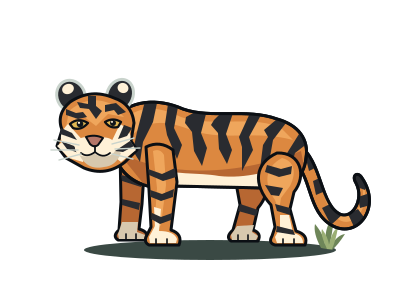
The tiger is the largest living cat species, and every tiger has its own stripe pattern. Researchers use these markings to recognise individuals, much as fingerprints help identify people. Being the largest species does not mean every tiger is bigger than every lion: their sizes overlap. And despite their different coats, the striped tiger and spotted snow leopard are close relatives within the big-cat family.
A typical tiger has reddish-orange fur, black stripes and a white belly. Those stripes break up its outline among grass and forest shadows, helping it approach animals such as deer and wild pigs without being seen.
Tigers are not just tropical forest animals. They live in scattered parts of Asia, in habitats ranging from forests to grasslands and mangrove swamps. Water is no barrier: tigers are strong swimmers and often rest in it during the day. Their survival is threatened by illegal hunting, loss of habitat and prey, and conflict with people.
A friendly greeting
A tiger's gentle chuff is a friendly sound, including between mothers and cubs.
Claws tucked away
Tigers can draw their claws back inside their paws while walking.
A winter coat
Amur tigers grow longer, thicker coats suited to cold winters in eastern Russia and north-eastern China.
Next to it on the tree
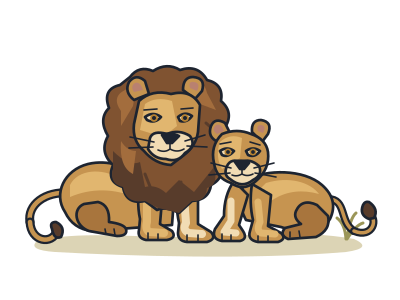
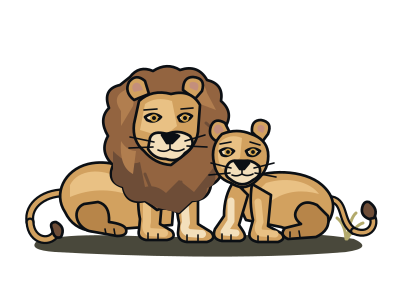
- LionThe cat that normally lives in lasting prides, with related females often forming their core.
- LeopardHauls prey heavier than itself up into trees.
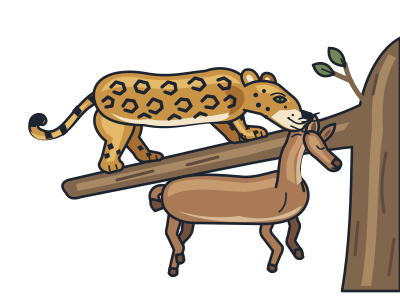
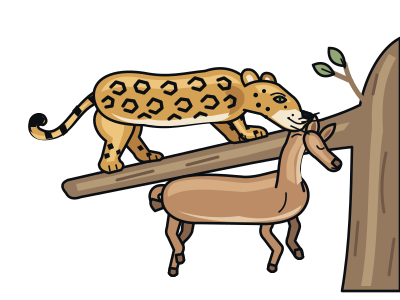
- Snow leopardWraps its thick tail around its face like a scarf.
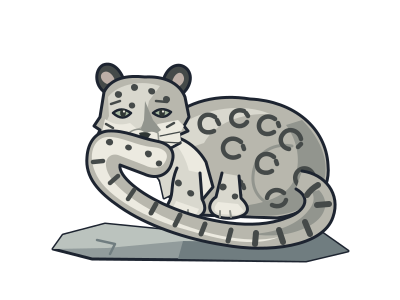
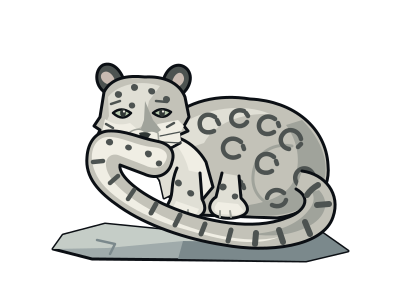
- JaguarA big cat whose bite can crack turtle shells, and a strong swimmer.
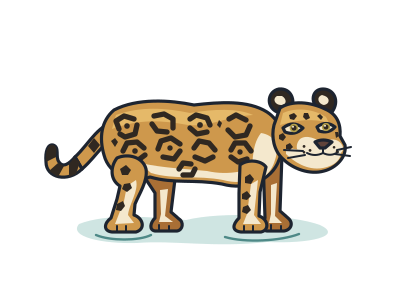
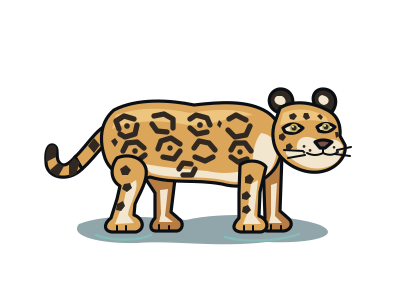
- Cave lionAn Ice Age lion of Europe and Siberia that early people painted on cave walls.
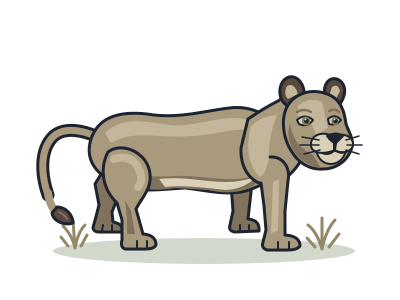
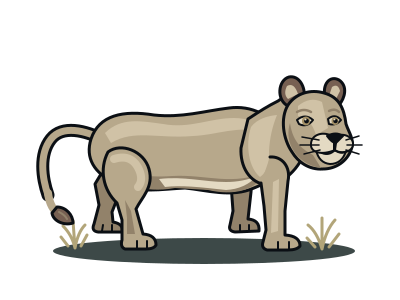
- American lionA lion relative larger than today’s lions that roamed North America until the Ice Age ended.