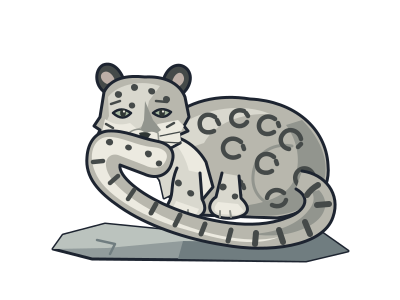
A species
Snow leopard
Panthera uncia
A mountain cat with a built-in scarf
You and the snow leopard meet in the Placental mammals branch, shown at about 95 million years ago (on 23 December, in a calendar from life's shared ancestor to today).
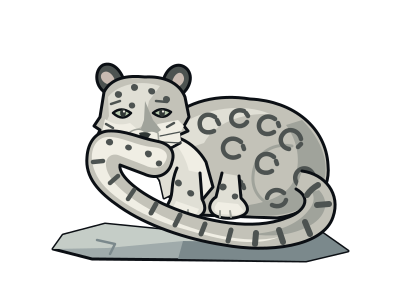
A resting snow leopard can wrap its thick, furry tail around its head and face like a scarf. This spotted cat has a surprising family connection: its closest living relative is the tiger, not the leopard. Its name and coat do not tell the whole family story.
That long tail also helps it balance on steep mountain ground. The rest of its body suits the cold, too. Its dense coat grows thicker in winter, while small, rounded ears help reduce heat loss. Its back legs are longer than its front legs, giving it power to leap across rugged ground.
Home is the cold, mostly dry mountains of Asia, with rocky slopes, cliffs, grassland and scattered shrubs. A snow leopard does not need permanent snow: rocky grasslands and shrublands matter too. This is a mountain specialist, rather than a cat that lives only among snowdrifts.
A big cat without a roar
Unlike lions and tigers, snow leopards cannot roar. They make mews, growls, yowls and gentle puffing calls.
Pale eyes
Their eyes are light green or grey.
Usually alone
Adults usually live alone, except during mating or when a mother is raising cubs.
Next to it on the tree
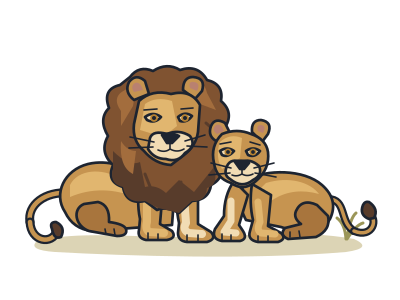
- LionThe cat that normally lives in lasting prides, with related females often forming their core.
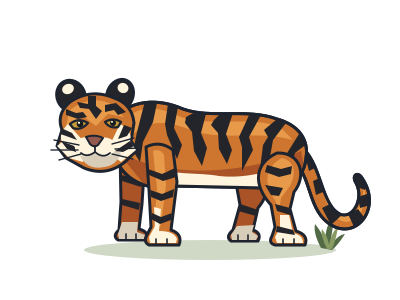
- TigerThe largest living cat; every tiger's stripes are unique.
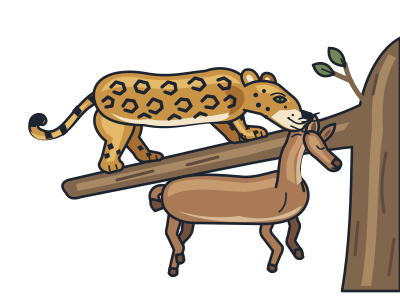
- LeopardHauls prey heavier than itself up into trees.
- JaguarA big cat whose bite can crack turtle shells, and a strong swimmer.
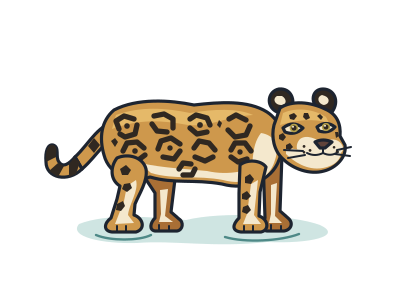
- Cave lionAn Ice Age lion of Europe and Siberia that early people painted on cave walls.
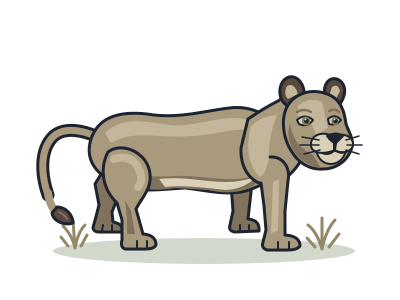
- American lionA lion relative larger than today’s lions that roamed North America until the Ice Age ended.