A group of living things
Cats
Felidae
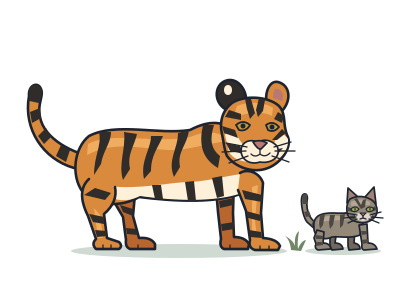
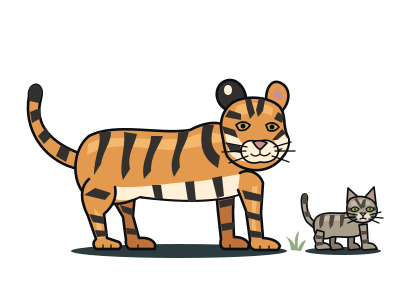
House cats and tigers: one family, very different sizes.
This branch is shown at about 11 million years ago; its age is a rough estimate.
You and cats meet in the Placental mammals branch, shown at about 95 million years ago (on 23 December, in a calendar from life's shared ancestor to today).
A house cat and a tiger belong to the same family, despite their huge difference in size. House cats did not descend from modern tigers: both belong to a branching family tree. Living cats have two main branches. Lions and tigers belong to one; cheetahs, pumas and lynxes belong to the other. These are not simply divisions between big and small animals.
Look at their feet and the family resemblance becomes clearer. Cats walk on their toes. Most keep their claws pulled back when resting or walking, protecting the sharp tips from wear. Most cats hunt by creeping closer, waiting and pouncing, rather than chasing over long distances. Most wild cat species usually live alone as adults, but lions form groups called prides.
Wild cats live across Africa, Europe, Asia and the Americas. Different species make their homes in rainforests, deserts and mountain ranges. The familiar family shape fits many different ways of life.
Different pupils
House-cat pupils can narrow to upright slits, but tiger pupils stay round.
Whiskers that feel
Whiskers are sensitive touch tools connected to nerves. They help cats detect nearby objects as they move.
A rough tongue
Tiny backward-pointing projections make a cat’s tongue feel rough.
Inside cats
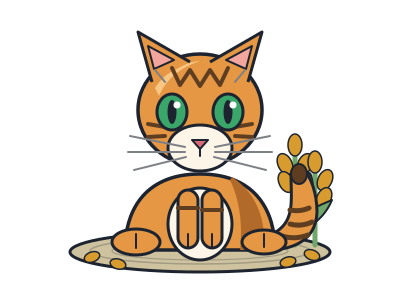
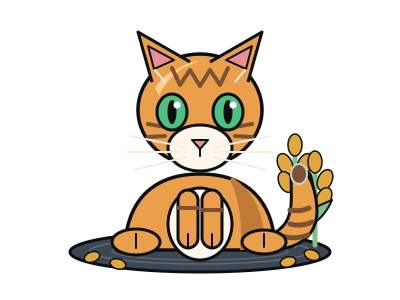
- House catDomesticated itself by hunting mice in early farmers' grain stores.
- Big catsFive Panthera cats include lions and tigers; four species roar, while the snow leopard does not.
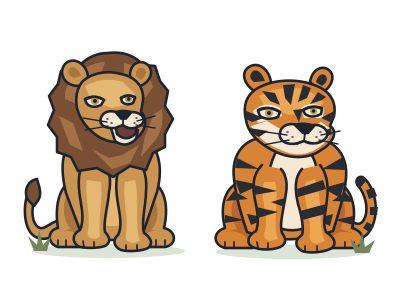
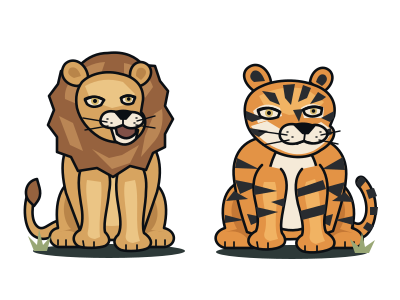
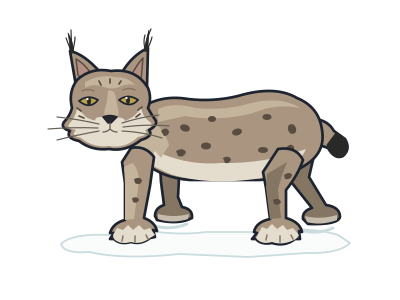
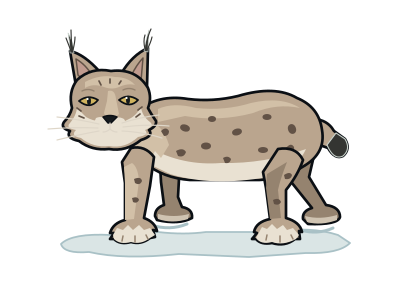
- Eurasian lynxTufted ears and huge furry paws that work like snowshoes.
- Puma and cheetahThe cheetah’s closest living relatives are the puma and jaguarundi of the Americas.
- ServalA leggy African cat with huge ears that hears rodents underground and pounces high.
- OcelotA spotted American cat whose every coat pattern is unique, like a fingerprint.
- Pallas’s catA fluffy, flat-faced cat of cold Asian steppes, famous online for its grumpy expression.
- Clouded leopardThe closest relative of the big cats, with the longest canine teeth for its size of any living cat.
Next to it on the tree
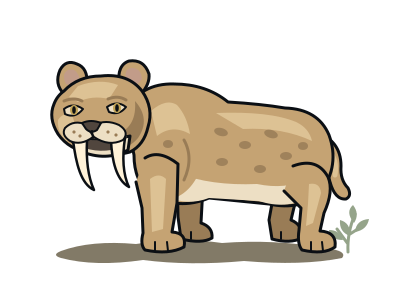
- Sabre-toothed catHad upper fangs about 18 centimetres long; models suggest a weaker jaw-driven bite than a similar-sized lion.
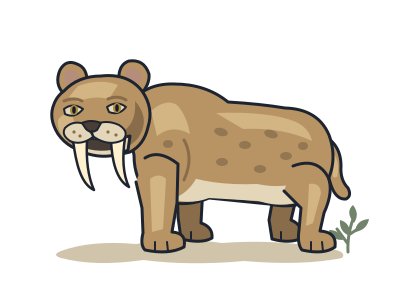
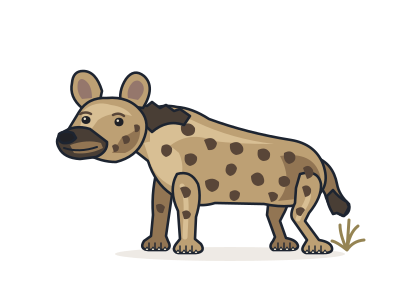
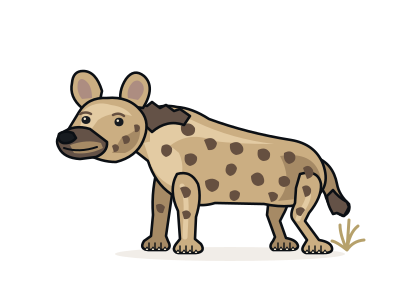
- Spotted hyenaLooks like a dog but is closer to cats, and females run the clan.
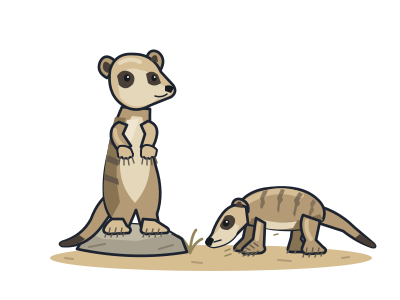
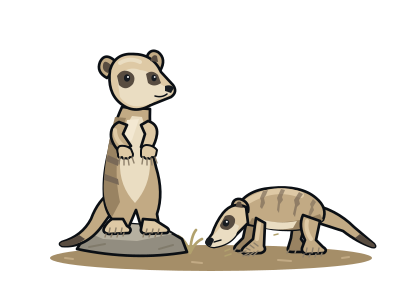
- MeerkatTakes turns standing sentry while the rest of the mob forages.
- Indian grey mongooseFast enough to fight cobras, and partly resistant to their venom.
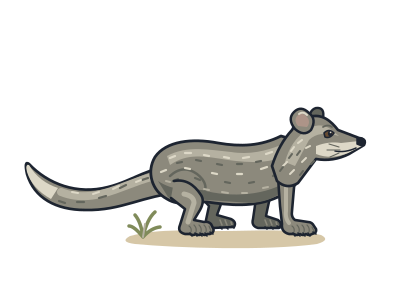
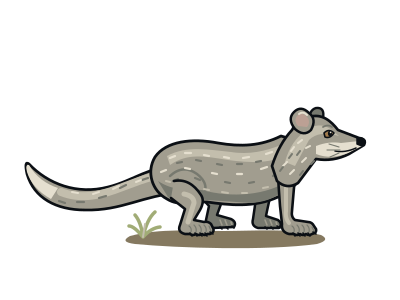
- FossaMadagascar’s top predator looks like a small puma but is a mongoose relative.
- BinturongA shaggy treetop "bearcat" with a gripping tail whose scent is said to smell like popcorn.