A species
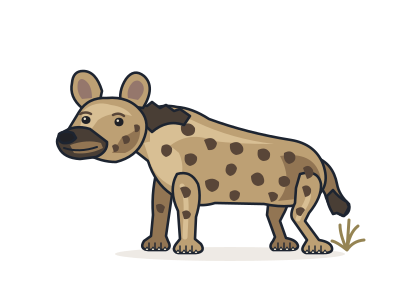
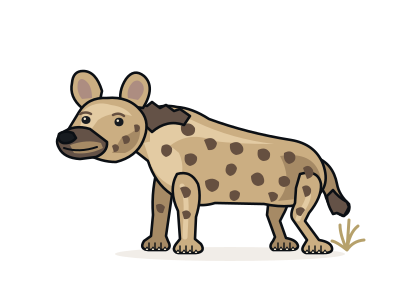
Spotted hyena
Crocuta crocuta
Dog-like looks, cat-side relatives, female-led clans.
You and the spotted hyena meet in the Placental mammals branch, shown at about 95 million years ago (on 23 December, in a calendar from life's shared ancestor to today).
The spotted hyena looks like a dog, but it is more closely related to cats. It belongs to the hyena family, not the cat family. Females lead its social groups, called clans. They get priority at food over adult males that have joined from other clans.
A clan does not stay together all day. Members split into smaller groups, but cooperate to defend their territory, food and shared den. Young hyenas learn their social position with help from their family. They usually take a place just below their mother: family connections shape life in the clan.
These animals are hunters as well as scavengers that eat animals already dead. Groups can hunt zebras and wildebeest, while lone hyenas can take smaller prey. Their famous laugh-like giggle is not simply a happy sound. It can signal nervous excitement or show that one hyena is giving way to another.
Born with a head start
Cubs are born with dark fur, open eyes and some teeth already present.
Recognisable voices
Long-distance whoops help bring clan members together. Hyenas can recognise individuals from these calls.
Strong swimmers
Spotted hyenas have been observed swimming at least 200 metres—about eight lengths of a 25-metre pool.
Next to it on the tree
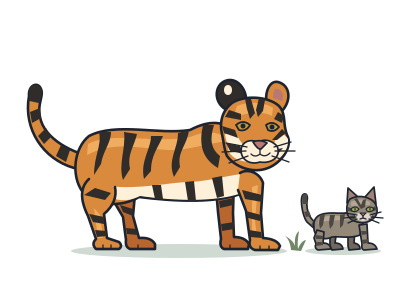
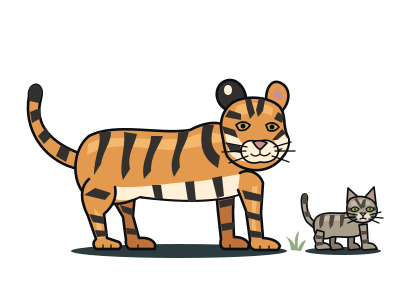
- CatsFrom house cats to tigers, all cats share an ancestor about 11 million years ago.
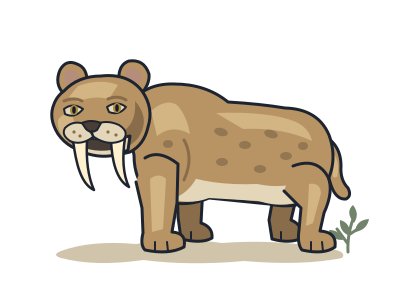
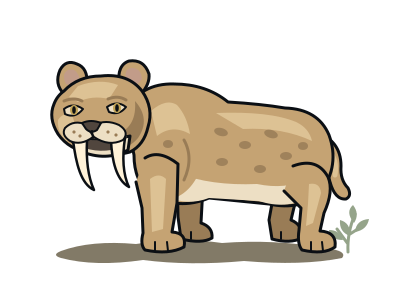
- Sabre-toothed catHad upper fangs about 18 centimetres long; models suggest a weaker jaw-driven bite than a similar-sized lion.
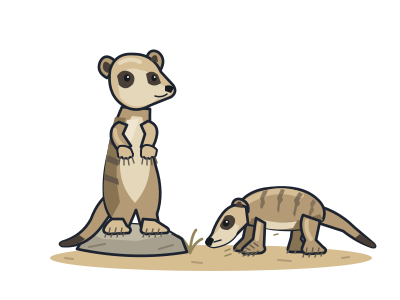
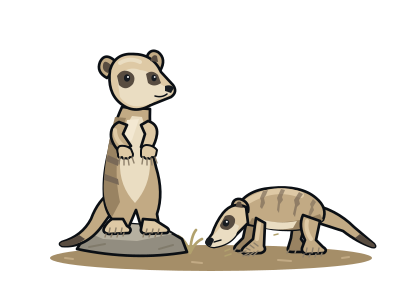
- MeerkatTakes turns standing sentry while the rest of the mob forages.
- Indian grey mongooseFast enough to fight cobras, and partly resistant to their venom.
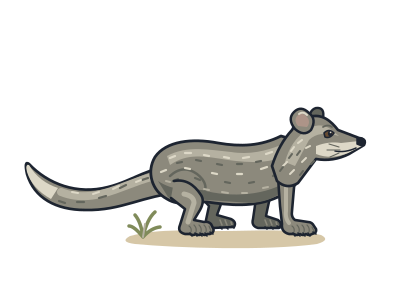
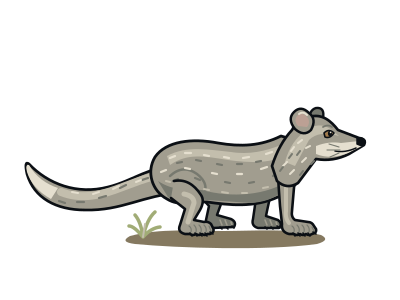
- FossaMadagascar’s top predator looks like a small puma but is a mongoose relative.
- BinturongA shaggy treetop "bearcat" with a gripping tail whose scent is said to smell like popcorn.