An extinct species
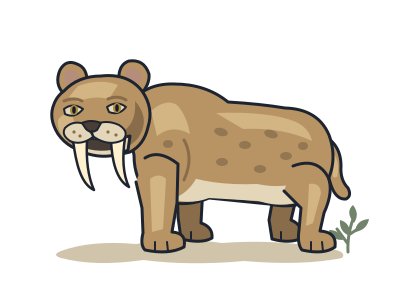
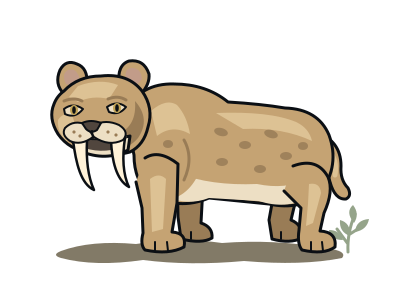
Sabre-toothed cat †
Smilodon fatalis
Pencil-long fangs, but a weaker jaw-driven bite in computer models
Lived about 1.6–0.01 million years ago.
You and the sabre-toothed cat meet in the Placental mammals branch, shown at about 95 million years ago (on 23 December, in a calendar from life's shared ancestor to today).
The sabre-toothed cat’s upper fangs could reach about 18 centimetres—roughly a pencil’s length—and may have delivered a stabbing bite helped by powerful neck muscles. Yet a computer study estimated that its jaw muscles produced only about a third of the bite force of a similar-sized lion. It was a relative of living cats, not an early tiger or an ancestor of today’s lions.
It lived about 1.6 million to 10,000 years ago. Fossil teeth showed that its long fangs were flattened blades, curved slightly backwards, with finely toothed edges. The computer study suggested that it held prey down before biting, rather than using those fangs to grip an animal that was still struggling.
Chemical clues in fossils from La Brea suggested that it ate woodland animals, including camels and tapirs. These clues offered evidence about its meals, but its hunting movements could not be watched directly. Researchers had to piece those together from bones, teeth and computer models.
A short tail
Its tail was about 35 centimetres long, unlike the long tail of a lion or tiger.
Claws that tucked away
Its strong claws could retract into its paws.
Years to finish growing
Its large permanent upper fangs were estimated to finish developing at about three years of age.
Next to it on the tree
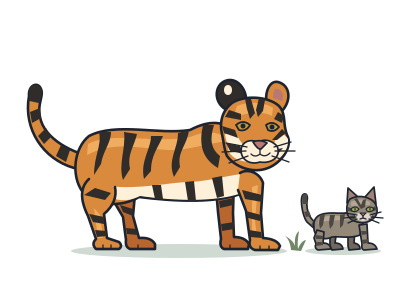
- CatsFrom house cats to tigers, all cats share an ancestor about 11 million years ago.
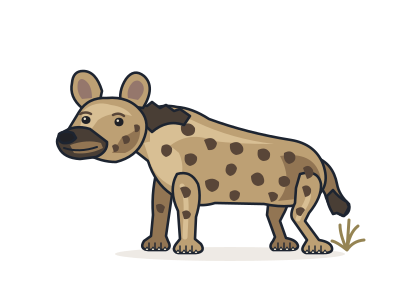
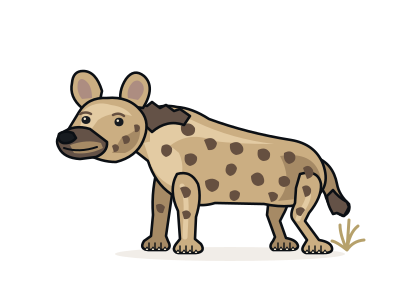
- Spotted hyenaLooks like a dog but is closer to cats, and females run the clan.
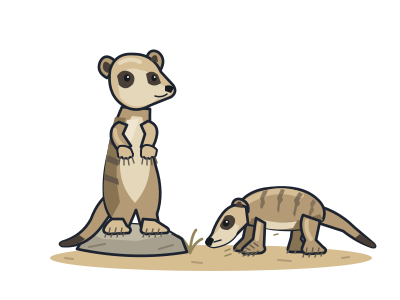
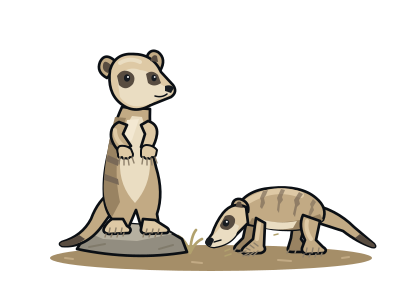
- MeerkatTakes turns standing sentry while the rest of the mob forages.
- Indian grey mongooseFast enough to fight cobras, and partly resistant to their venom.
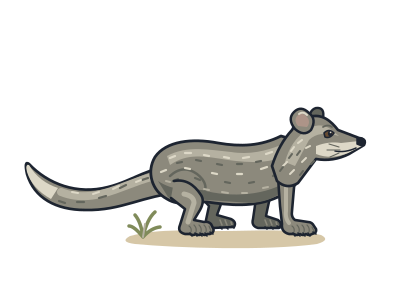
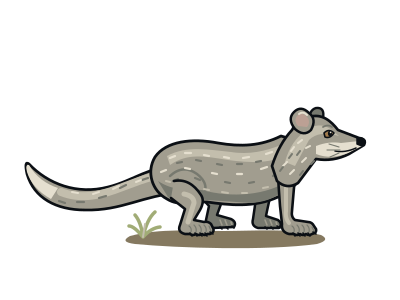
- FossaMadagascar’s top predator looks like a small puma but is a mongoose relative.
- BinturongA shaggy treetop "bearcat" with a gripping tail whose scent is said to smell like popcorn.