A species
Eurasian lynx
Lynx lynx
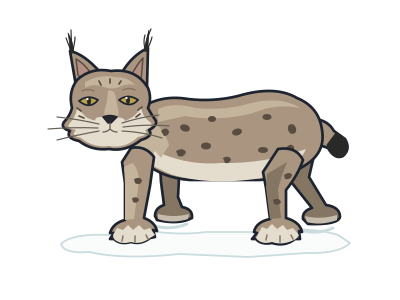
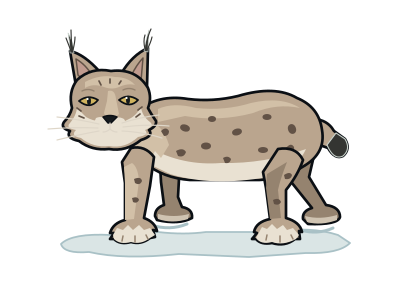
A tuft-eared cat with furry snowshoes.
You and the eurasian lynx meet in the Placental mammals branch, shown at about 95 million years ago (on 23 December, in a calendar from life's shared ancestor to today).
Black ear tufts and huge, furry paws give this cat a striking outline. Those broad paws work rather like snowshoes, helping it travel over deep snow. It belongs to the same cat family as house cats, cheetahs, lions and tigers. But it is not simply a bigger house cat: it is a separate species, with its own winter-ready features.
The paws have webbing between the toes and grow especially long, dense hair in winter. A thick winter coat helps keep the cat warm; its summer coat is shorter and thinner. Yet this is not just an animal of snowy forests. It lives across parts of Europe and Asia, using forests, scrub and rocky mountain country.
On the ground, it hunts by creeping close and making a sudden attack rather than relying on a long chase. Adults usually live alone. The lasting family group is a mother with her young.
River crossings
Despite their snow-ready feet, Eurasian lynx can swim and have been seen crossing rivers.
Familiar sounds
They can purr, mew, yowl and hiss.
Two fewer teeth
An adult normally has 28 teeth—two fewer than the usual cat total.
Next to it on the tree
- House catDomesticated itself by hunting mice in early farmers' grain stores.


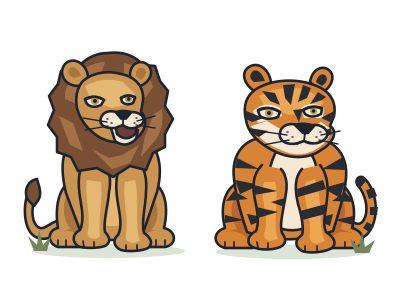
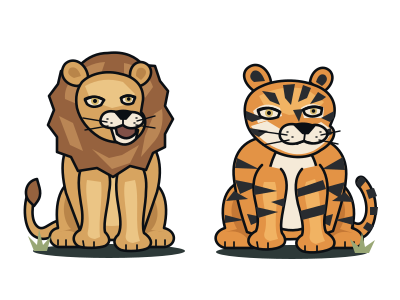
- Big catsFive Panthera cats include lions and tigers; four species roar, while the snow leopard does not.
- Puma and cheetahThe cheetah’s closest living relatives are the puma and jaguarundi of the Americas.
- ServalA leggy African cat with huge ears that hears rodents underground and pounces high.
- OcelotA spotted American cat whose every coat pattern is unique, like a fingerprint.
- Pallas’s catA fluffy, flat-faced cat of cold Asian steppes, famous online for its grumpy expression.
- Clouded leopardThe closest relative of the big cats, with the longest canine teeth for its size of any living cat.