A species
Jaguar
Panthera onca
Shell-cracking jaws and a swimmer’s strength
You and the jaguar meet in the Placental mammals branch, shown at about 95 million years ago (on 23 December, in a calendar from life's shared ancestor to today).
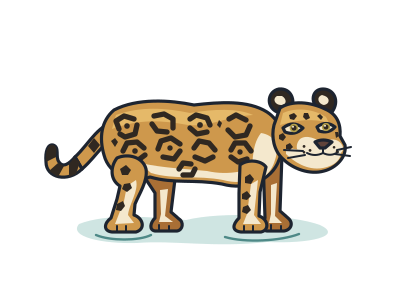
A jaguar’s bite can crack a turtle shell, and this big cat is a strong swimmer too. It belongs to the same big-cat group as lions, tigers, leopards and snow leopards. Yet the jaguar is the only living member of that group native to the Americas.
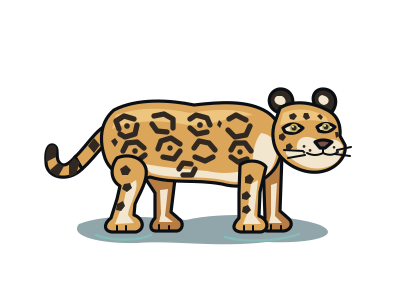
Jaguars often live near rivers and lakes, hunting animals that live in water. Their food includes turtles and fish, as well as land animals such as deer. Rather than relying on a long chase, they approach under cover and surprise their prey. They resemble leopards, but have heavier bodies. Their coats usually carry large, broken black rings with smaller spots inside.
These hunters also help shape the food web around them. But jaguars are declining in number. Losing the places they live, having those places broken into smaller patches, and finding fewer prey animals all threaten them. Conflict with people over livestock is another danger.
A spotted fingerprint
Each jaguar has its own spot pattern, rather like a human fingerprint.
A roaring relative
Jaguars can roar, like lions, tigers and leopards. Snow leopards cannot make the same kind of roar.
Mum raises the cubs
Mother jaguars raise their cubs without help from the father.
Next to it on the tree
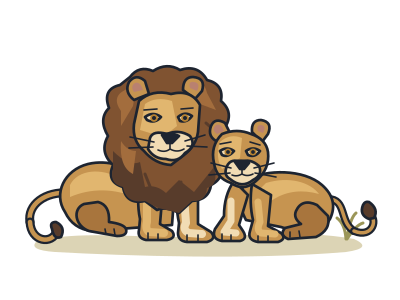
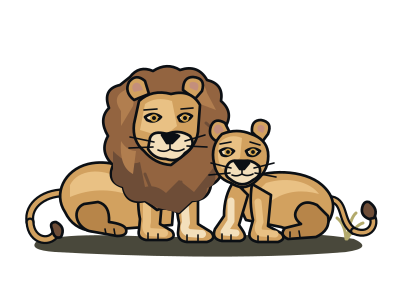
- LionThe cat that normally lives in lasting prides, with related females often forming their core.
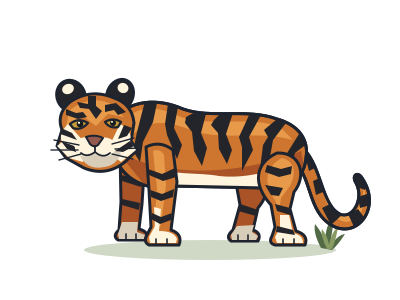
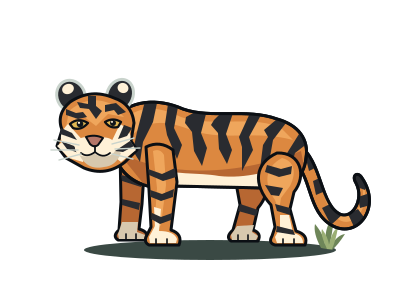
- TigerThe largest living cat; every tiger's stripes are unique.
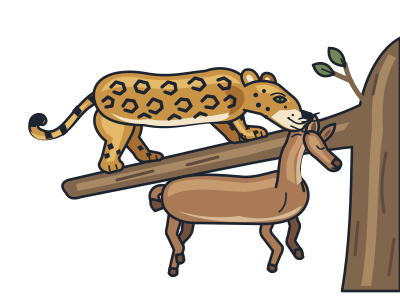
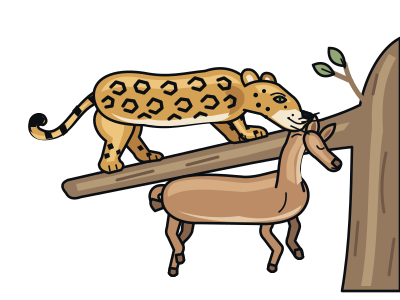
- LeopardHauls prey heavier than itself up into trees.
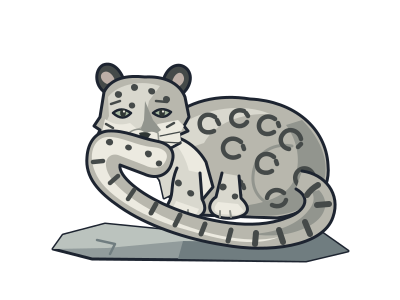
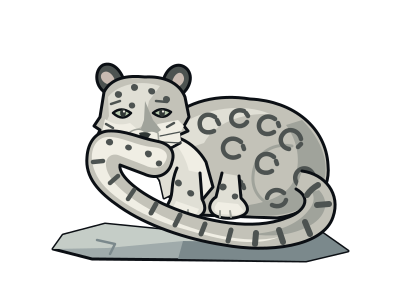
- Snow leopardWraps its thick tail around its face like a scarf.
- Cave lionAn Ice Age lion of Europe and Siberia that early people painted on cave walls.
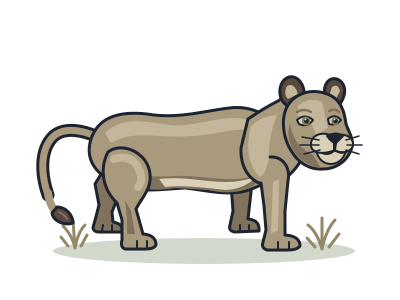
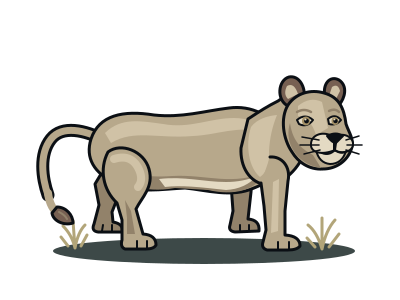
- American lionA lion relative larger than today’s lions that roamed North America until the Ice Age ended.