A species
Bee orchid
Ophrys apifera
A flower dressed up as a bee to fool male bees
You and the bee orchid meet in the Eukaryotes branch, shown at about 1.8 billion years ago (on 28 July, in a calendar from life's shared ancestor to today).
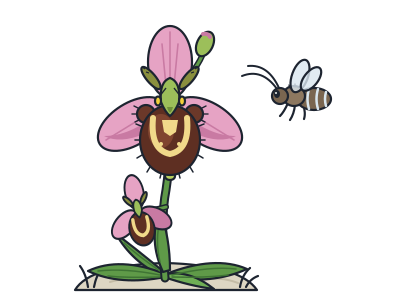
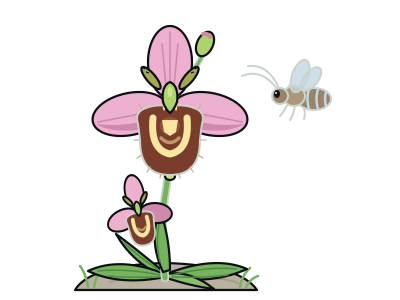
This flower plays a trick. Its lower petal, called the lip, is furry and brown with yellow markings. It looks like a plump female bee seen from behind. The flower also gives off scents that match a female bee's mating scent. Where the right bees live, males fly in and try to mate with it. They get nothing for their trouble, because there is no nectar. But they can leave with pollen stuck to them, which they may carry to the next flower.
Around the Mediterranean, males of solitary long-horned bees have been seen visiting the flowers and trying to mate with them. In the north, including Britain, the bee orchid nearly always pollinates itself instead. Its pollen droops down onto the sticky part of its own flower.
Charles Darwin studied bee orchids for several years. In all the flowers he checked, he never found that an insect had taken their pollen away. This puzzled him, because the flower still seems built for insect visitors. He even asked people in other areas whether they had ever seen insects visit it.
The bee orchid belongs to the huge orchid family. That makes it a relative of the moth orchid and of vanilla, the climbing orchid that gives us most natural vanilla.
Fungus friends
Its tiny seeds can't sprout without help from partner fungi in the soil. Sprouting can take months or even years underground.
On a stamp
In 2009 the bee orchid appeared on UK stamps celebrating Darwin and his book On the Origin of Species.
City dweller
It is one of the European orchids most likely to turn up in towns. It moves into quarries, roadside verges and even airfields.
Next to it on the tree
- VanillaThe world's favourite flavour comes from the cured pods of a climbing orchid.
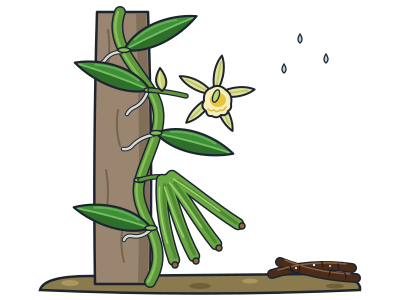
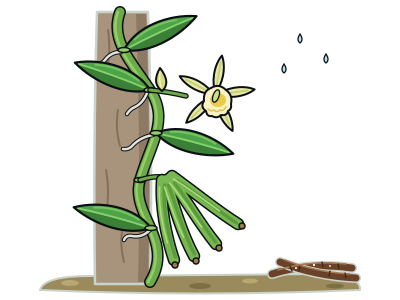
- Moth orchidThe supermarket orchid, whose flat flowers look like moths in flight.
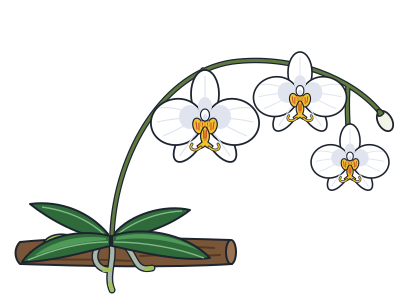
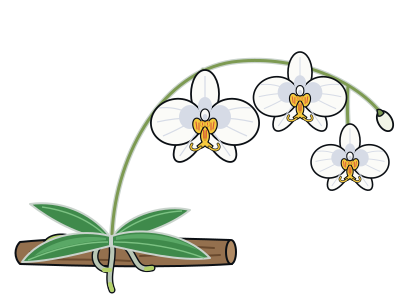
- Lady's slipper orchidA pouch-shaped flower that traps bees briefly so they leave carrying pollen.
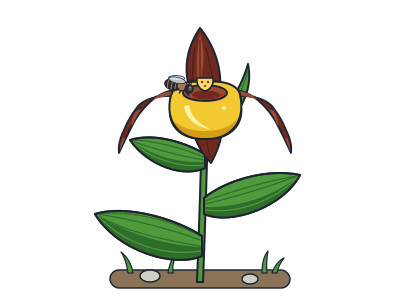
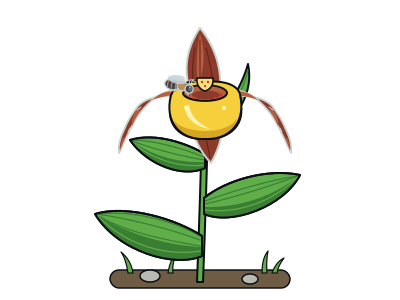
- Ghost orchidA leafless orchid whose white flower seems to float in Florida swamps.
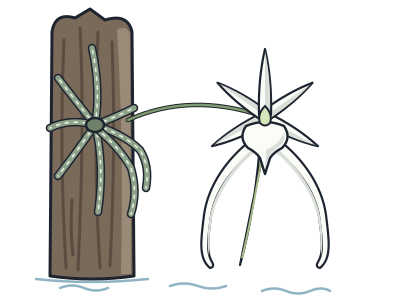
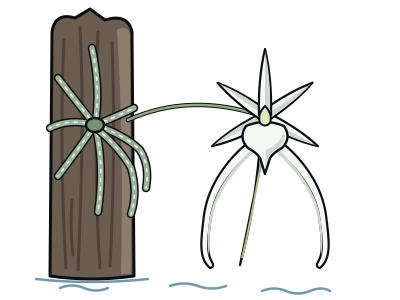
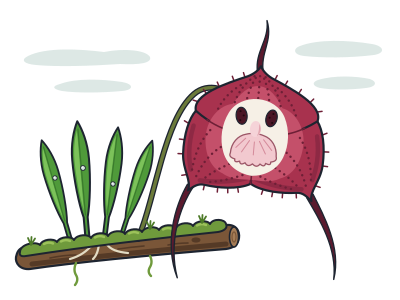
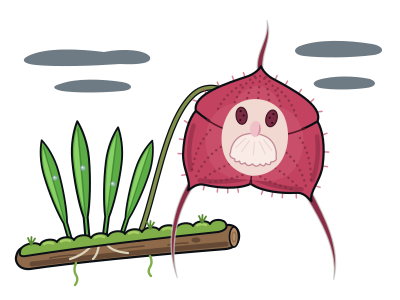
- Monkey-face orchidIts flower looks uncannily like a monkey's face peering from cloud forest.