A group of living things
Bears
Ursidae
A bamboo specialist in the bear family
This branch is shown at about 19 million years ago; its age is a rough estimate.
You and bears meet in the Placental mammals branch, shown at about 95 million years ago (on 23 December, in a calendar from life's shared ancestor to today).
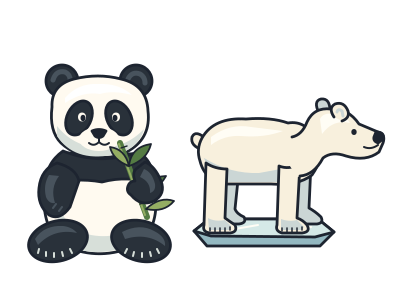
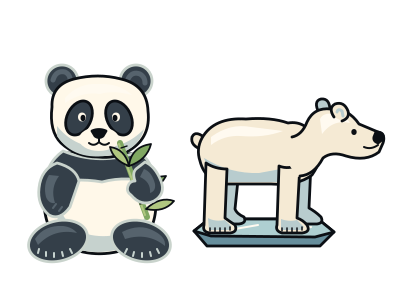
The giant panda is a real bear that switched to eating almost entirely bamboo. It shares its family with polar bears, brown bears and sun bears. DNA evidence settled an old argument about whether giant pandas belonged with bears or raccoons. Today, scientists recognise eight living bear species.
A panda’s bamboo diet comes with some unusual equipment. It grips stems with its front paws, helped by an enlarged wrist bone that acts like a thumb—not a true sixth finger. Yet its gut still works more like a meat-eater’s than a typical plant-eater’s. Much of the bamboo passes through without being digested.
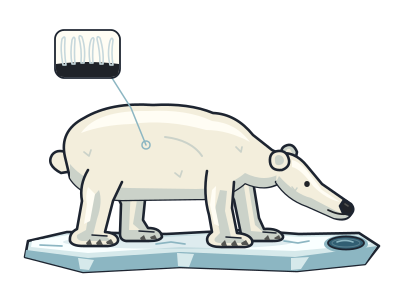
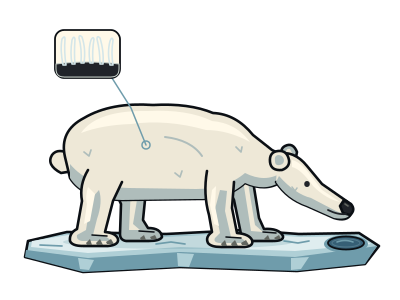
The polar bear sits near the opposite end of the family’s menu. It feeds mainly on seals and can wait quietly beside a breathing hole in Arctic sea ice for one to surface. Despite their different meals, both animals share the bear way of walking: with the whole sole touching the ground. Each foot has five toes with claws that cannot be drawn back.
Built to crunch
Large back teeth and strong jaw muscles help giant pandas crush tough bamboo.
Usually alone
Bears generally live alone. Mothers with their young are an important exception.
Seed carriers
Fruit-eating bears spread seeds in their droppings, helping plants move around their habitat.
Inside bears
- Polar bearBlack skin beneath colourless hairs that scatter light into a pale coat; an Arctic seal hunter.
- Giant pandaOften spends about 12–14 hours a day eating bamboo, held with a wrist-bone “thumb”.


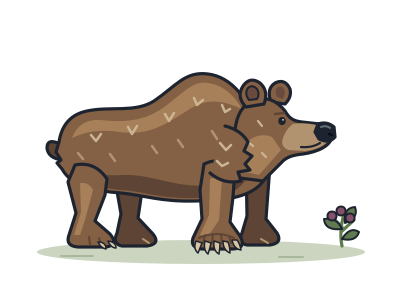
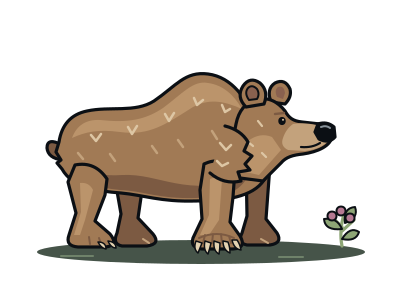
- Brown bearThe grizzly: can smell food kilometres away and the polar bear's close relative.
- Sun bearThe smallest bear, with a long tongue for honey and insects.
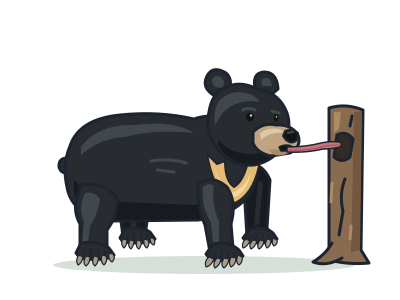
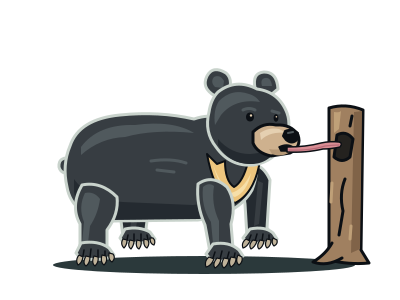
- Cave bearA huge ice-age bear whose bones fill European caves.
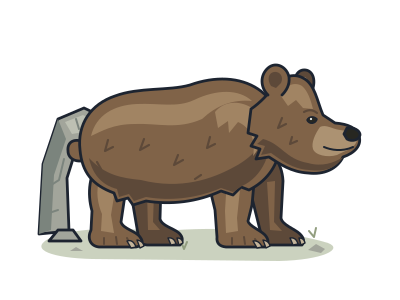
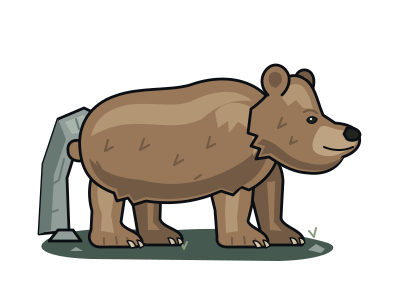
- American black bearNorth America’s most common bear, often brown or even white despite the name.
- Andean bearSouth America’s only bear, with pale face markings, and the inspiration for Paddington.
- Giant short-faced bearOne of the largest meat-eating land mammals ever, a long-legged Ice Age bear of North America.
Next to it on the tree
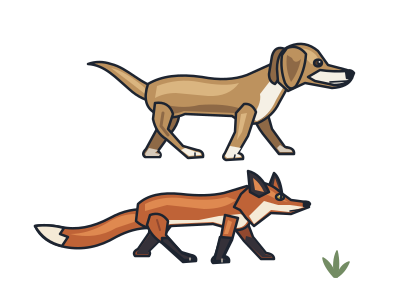
- Dog familyWolves, foxes and dogs share a family; many are built for sustained running, though bodies and hunting styles vary.
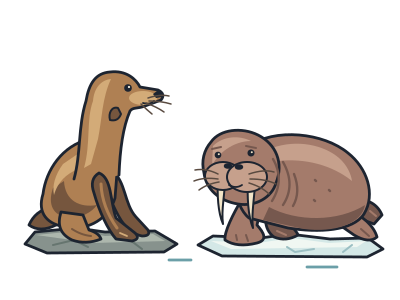
- Seals, sea lions and walrusesSeals descend from land carnivorans related to bears and weasels.
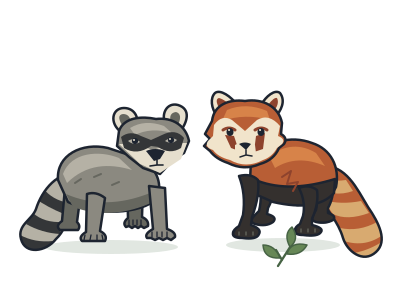
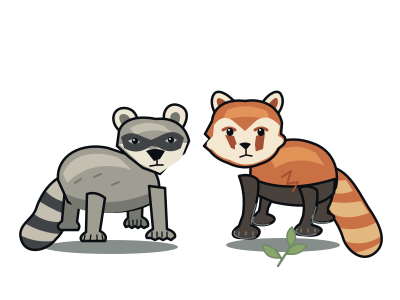
- Weasels, raccoons and relativesThe red panda belongs with raccoons, skunks and weasels; the giant panda is on the bear branch.