A species
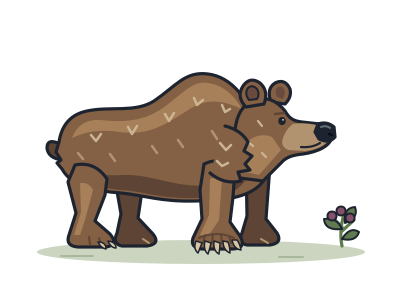
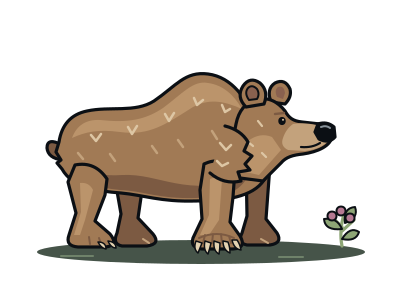
Brown bear
Ursus arctos
A far-reaching nose and a close polar relative
You and the brown bear meet in the Placental mammals branch, shown at about 95 million years ago (on 23 December, in a calendar from life's shared ancestor to today).
A grizzly can smell food kilometres away—and its family connection is just as striking. Brown bears and polar bears are each other's closest living species relatives. Grizzlies are brown bears, not a separate species. In North America, the name usually means brown bears that live inland.
That familiar shoulder hump contains powerful digging muscles, not a store of fat. Long front claws help uncover roots and small mammals. Brown bears eat both plants and animals, from grasses and berries to ground squirrels and salmon. Coastal Alaskan bears generally grow larger than inland grizzlies because salmon and other rich foods are more plentiful.
Adult brown bears usually live alone, but a salmon stream can bring several together. Their menu changes with the food available. Most spend winter in dens, living on stored fat while their breathing, heartbeat and body temperature fall. But winter rest is not universal: some males on Kodiak Island stay active during relatively mild winters.
Not always brown
Coats can range from nearly black to pale blond.
Winter nursery
Cubs are born inside winter dens. Twins are most common, though a litter can contain one to four cubs.
Years with mum
Youngsters usually stay with their mother for about two to three years. Males do not help raise them.
Next to it on the tree
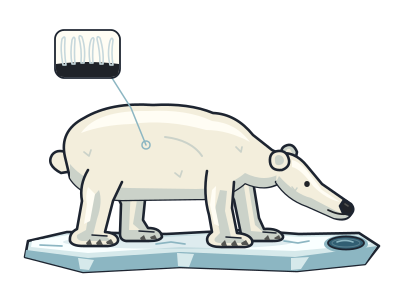
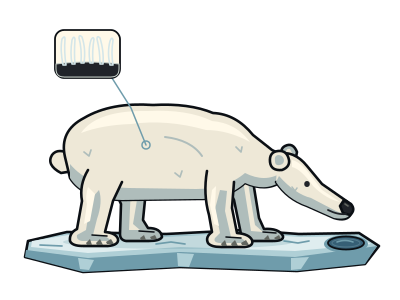
- Polar bearBlack skin beneath colourless hairs that scatter light into a pale coat; an Arctic seal hunter.
- Giant pandaOften spends about 12–14 hours a day eating bamboo, held with a wrist-bone “thumb”.


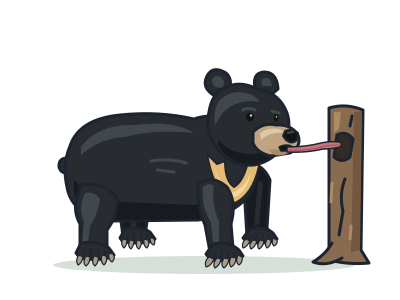
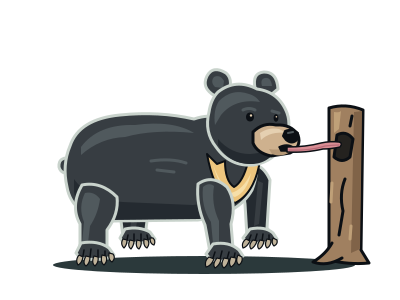
- Sun bearThe smallest bear, with a long tongue for honey and insects.
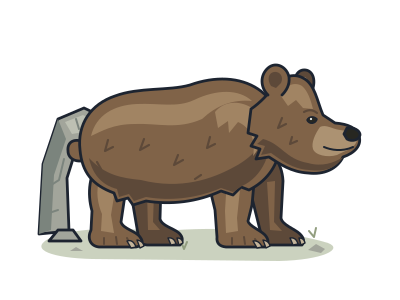
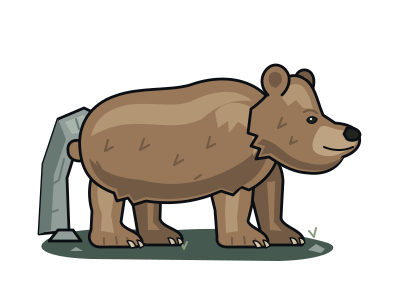
- Cave bearA huge ice-age bear whose bones fill European caves.
- American black bearNorth America’s most common bear, often brown or even white despite the name.
- Andean bearSouth America’s only bear, with pale face markings, and the inspiration for Paddington.
- Giant short-faced bearOne of the largest meat-eating land mammals ever, a long-legged Ice Age bear of North America.