A group of living things
Dog-like carnivorans
Caniformia
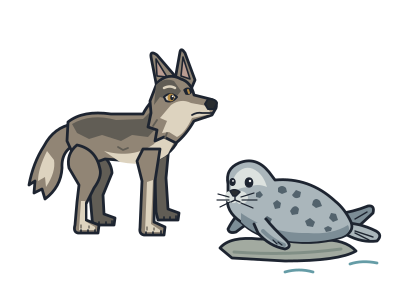
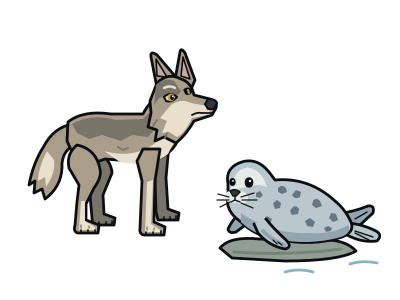
Dogs, bears, seals and otters share the dog side of the family.
This branch is shown at about 48 million years ago; its age is a rough estimate.
You and dog-like carnivorans meet in the Placental mammals branch, shown at about 95 million years ago (on 23 December, in a calendar from life's shared ancestor to today).
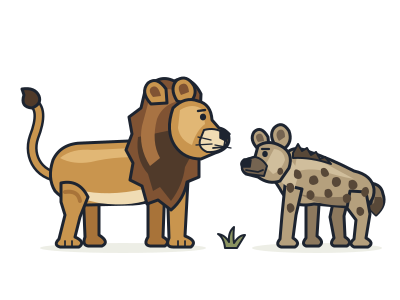
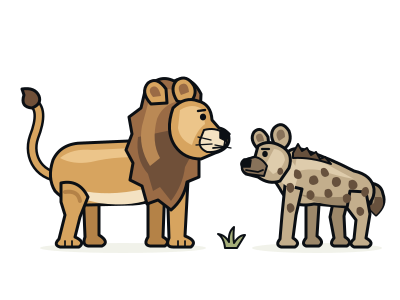
Dogs, bears, seals and otters all belong on the dog side of the family. A seal does not need to look like a dog to belong here! Together with the cat-like branch, they form the two main living branches of carnivorans. These are family-tree groups, not matching sets of body shapes. Hyenas, despite their dog-like appearance, belong on the cat-like side.
The dog family is just one part of this wider group. Otters belong to the weasel family, alongside badgers, mink, martens and wolverines. They are not small seals. This one family stretches from the Arctic to the tropics, across land, freshwater rivers and coastal seas. Some martens climb trees to find food, while otters and mink are skilled swimmers.
A harbour seal shows how different another member can look. It has a short, dog-like snout, but flippers instead of paws. Its coat may be pale with dark spots, or dark with pale rings.
Born ready to swim
Harbour seal pups can swim at birth.
Unexpected relatives
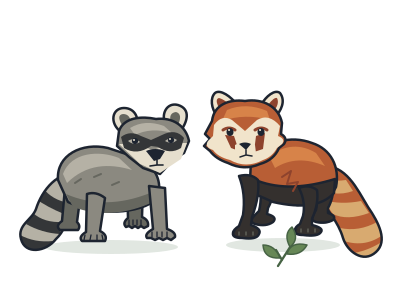
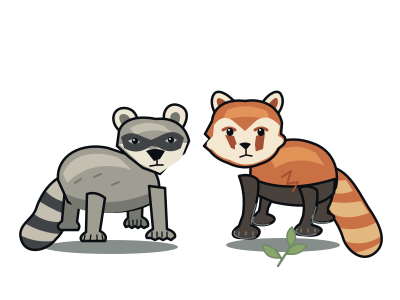
The wider weasel-and-raccoon branch also includes red pandas and skunks.
Closer sea relatives
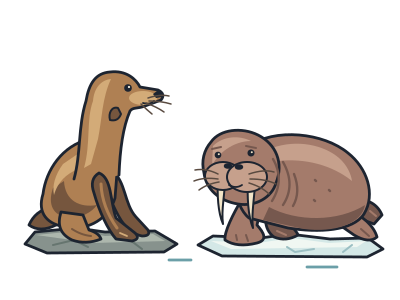
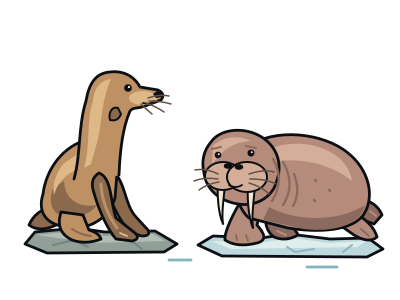
Sea lions and walruses are more closely related to each other than either is to true seals.
Inside dog-like carnivorans
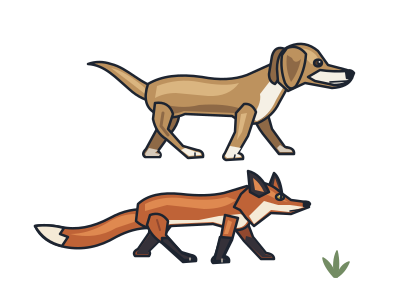
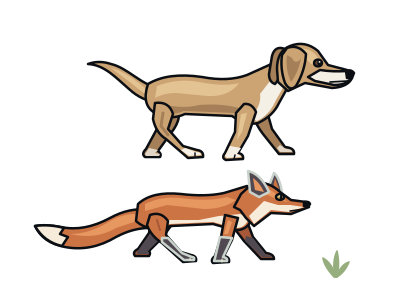
- Dog familyWolves, foxes and dogs share a family; many are built for sustained running, though bodies and hunting styles vary.
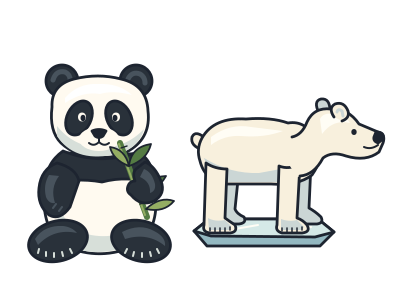
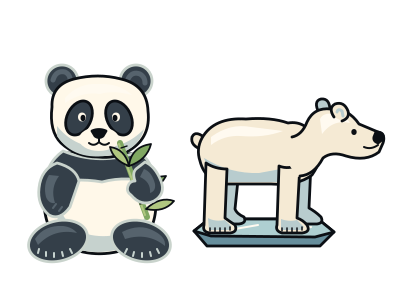
- BearsThe giant panda is a real bear that switched almost entirely to bamboo.
- Seals, sea lions and walrusesSeals descend from land carnivorans related to bears and weasels.
- Weasels, raccoons and relativesThe red panda belongs with raccoons, skunks and weasels; the giant panda is on the bear branch.