A group of living things
Seals, sea lions and walruses
Pinnipedia
Land-animal relatives with flippers
This branch is shown at about 23 million years ago; its age is a rough estimate.
You and seals, sea lions and walruses meet in the Placental mammals branch, shown at about 95 million years ago (on 23 December, in a calendar from life's shared ancestor to today).
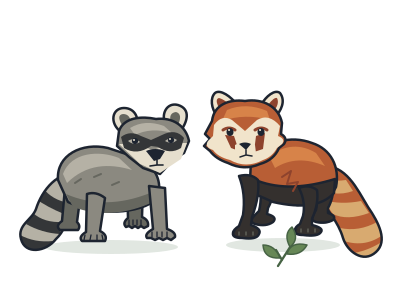
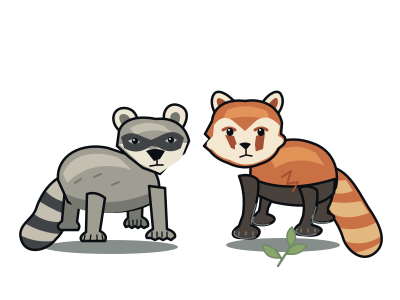
Seals, sea lions and walruses descended from land-dwelling carnivorans—the mammal branch that includes bears and weasels. They did not descend from today's bears or weasels: these are separate, related branches. DNA points to the weasel-and-raccoon group as their closest living branch outside their own group. Bears are more distant relatives.
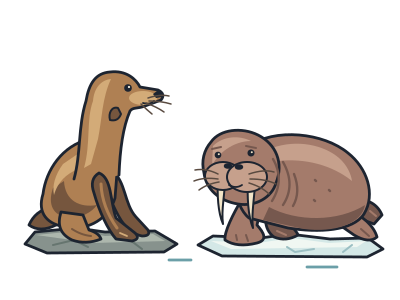
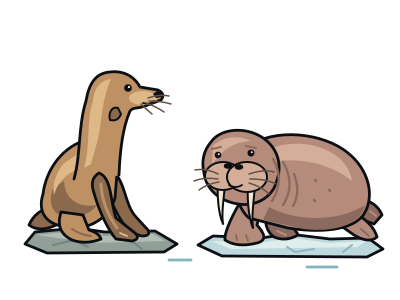
Their watery lives have not stopped them being mammals. They breathe air, and mothers feed their young with milk. A layer of fat under the skin helps keep them warm. There are three living families: true seals; sea lions and fur seals; and walruses. Despite their different looks, walruses are more closely related to sea lions and fur seals than to true seals.
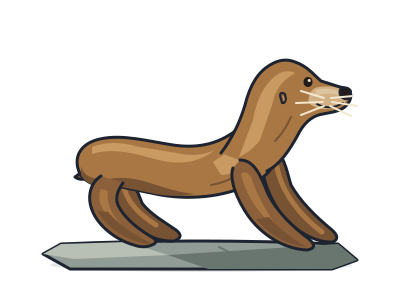
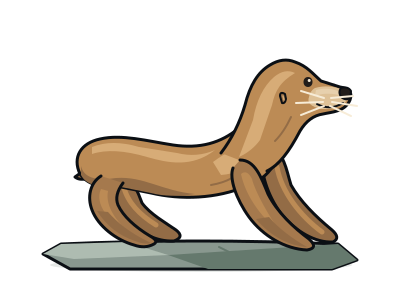
Watch them ashore and another difference appears. Sea lions, fur seals and walruses can turn their rear flippers underneath their bodies and walk on all fours. True seals cannot do this, so they wriggle along on their bellies.
Tusks are teeth
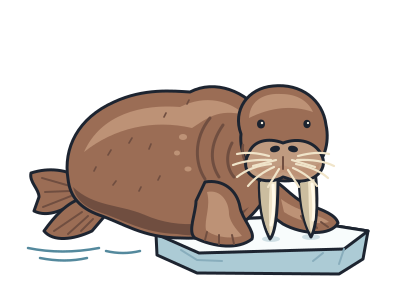
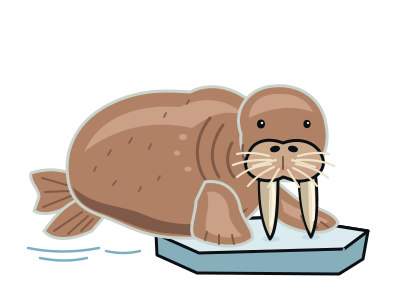
Both male and female walruses grow two tusks. These are enlarged upper teeth, not horns.
A freshwater seal
Not all seals live in the sea. The Baikal seal lives entirely in a freshwater lake in Asia.
Finding food by touch
Walruses search the seabed with sensitive whiskers, then use powerful suction to pull soft food such as clams from their shells.
Inside seals, sea lions and walruses
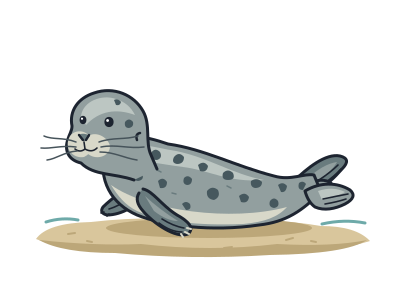
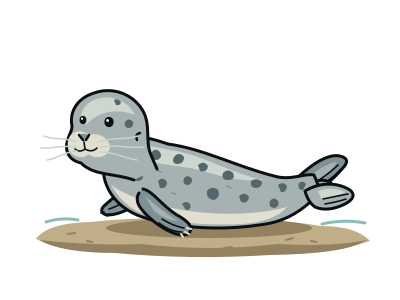
- Harbour sealRests on beaches and sandbanks; its land relatives include weasels, raccoons and bears.
- WalrusTusks, flippers and body help it climb onto ice; very large males can approach two tonnes.
- California sea lionWalks on its flippers on land, unlike true seals.
- Southern elephant sealThe largest seal; males can weigh as much as a car and dive over a kilometre deep.
- Leopard sealA spotted Antarctic seal with a big head that hunts fish, krill and penguins.
- Harp sealIts pups are born on sea ice in fluffy white coats that they shed within weeks.
- Caribbean monk sealA warm-water seal seen by Columbus; it was hunted out and last reliably seen in 1952.
- Antarctic fur sealAn eared seal that walks on all four flippers and recovered from near extinction by fur hunting.
Next to it on the tree
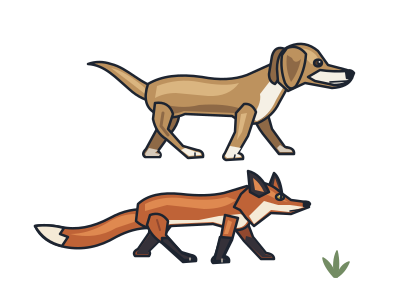
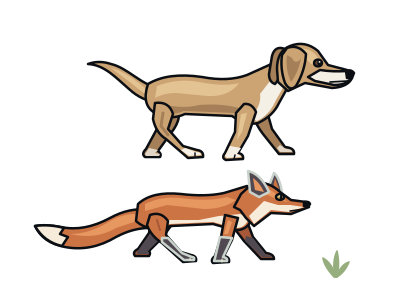
- Dog familyWolves, foxes and dogs share a family; many are built for sustained running, though bodies and hunting styles vary.
- BearsThe giant panda is a real bear that switched almost entirely to bamboo.
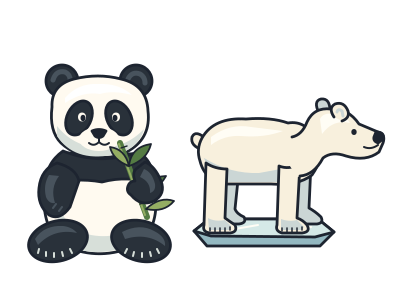
- Weasels, raccoons and relativesThe red panda belongs with raccoons, skunks and weasels; the giant panda is on the bear branch.