A species
Harp seal
Pagophilus groenlandicus
Its pups are born on sea ice in fluffy white coats that they shed within weeks.
You and the harp seal meet in the Placental mammals branch, shown at about 95 million years ago (on 23 December, in a calendar from life's shared ancestor to today).
Compare with something else
Its pups are born on sea ice in fluffy white coats that they shed within weeks.
The full page for Harp seal is still being written and drawn.
Next to it on the tree
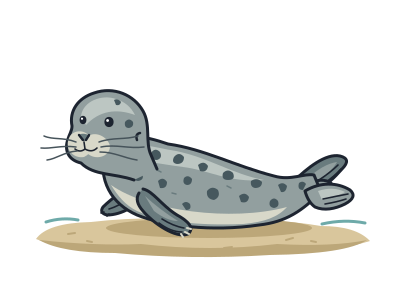
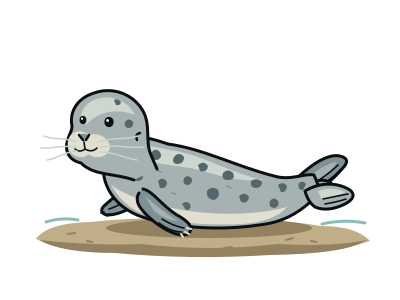
- Harbour sealRests on beaches and sandbanks; its land relatives include weasels, raccoons and bears.
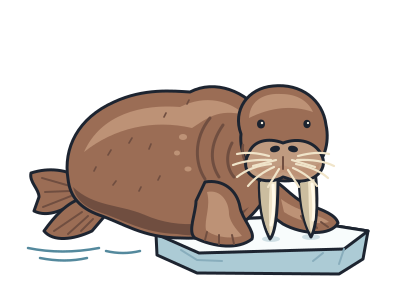
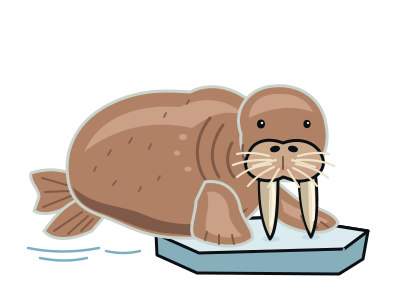
- WalrusTusks, flippers and body help it climb onto ice; very large males can approach two tonnes.
- California sea lionWalks on its flippers on land, unlike true seals.
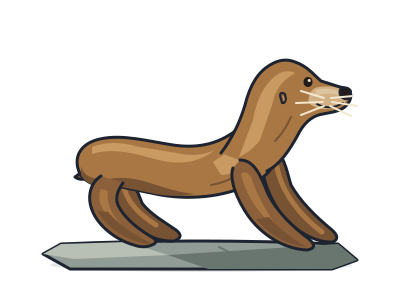

- Southern elephant sealThe largest seal; males can weigh as much as a car and dive over a kilometre deep.
- Leopard sealA spotted Antarctic seal with a big head that hunts fish, krill and penguins.
- Caribbean monk sealA warm-water seal seen by Columbus; it was hunted out and last reliably seen in 1952.
- Antarctic fur sealAn eared seal that walks on all four flippers and recovered from near extinction by fur hunting.