A species
Walrus
Odobenus rosmarus
Teeth that help haul a giant onto the ice
You and the walrus meet in the Placental mammals branch, shown at about 95 million years ago (on 23 December, in a calendar from life's shared ancestor to today).
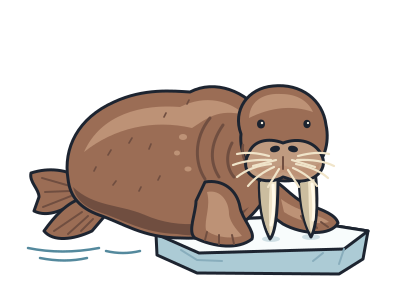
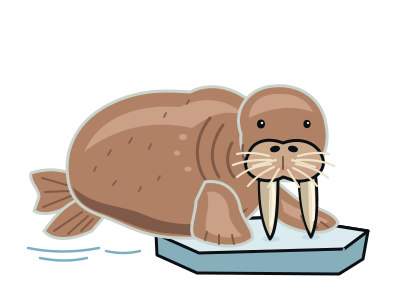
A walrus uses its tusks to help haul itself out of the water onto ice. For a large male, that can mean moving nearly two tonnes of body weight. Its flippers and body work too: it does not simply hang from its teeth. Both males and females have tusks, which are enlarged upper teeth, not horns.
This giant belongs to the same group of flipper-footed mammals as seals and sea lions. All descended from land-living ancestors. A walrus has no outer ear flaps, just like a true seal. But it can turn its back flippers underneath its body to move on all fours, like a sea lion.
Underwater, hundreds of sensitive whiskers help it find food on the seabed. It pulls its powerful tongue backwards to create suction, drawing soft food from shells. Between feeding trips, Pacific walruses rest on sea ice. Walruses are social animals, often resting pressed together in groups on ice or land.
Ever-growing teeth
Walrus tusks keep growing throughout life.
Changing colour
Usually cinnamon-brown, walruses can look pale after diving and pink when warm as blood flow to their skin changes.
A long life
Walruses can live for about 40 years.
Next to it on the tree
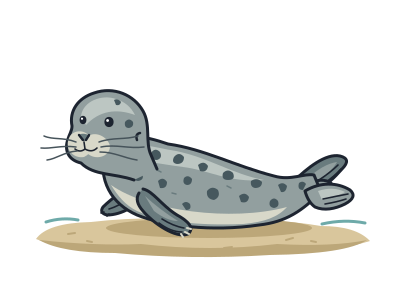
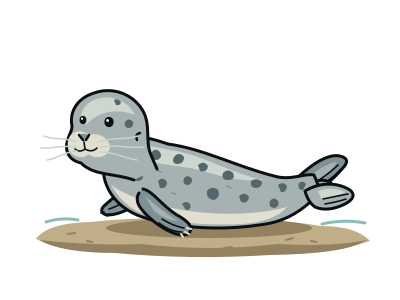
- Harbour sealRests on beaches and sandbanks; its land relatives include weasels, raccoons and bears.
- California sea lionWalks on its flippers on land, unlike true seals.
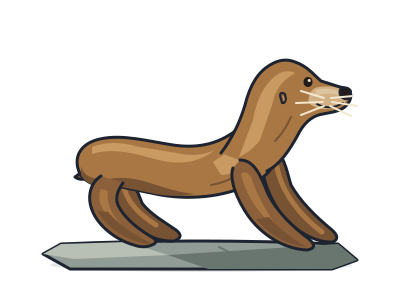
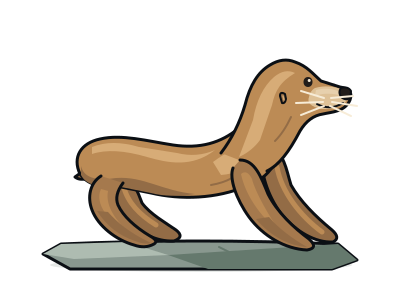
- Southern elephant sealThe largest seal; males can weigh as much as a car and dive over a kilometre deep.
- Leopard sealA spotted Antarctic seal with a big head that hunts fish, krill and penguins.
- Harp sealIts pups are born on sea ice in fluffy white coats that they shed within weeks.
- Caribbean monk sealA warm-water seal seen by Columbus; it was hunted out and last reliably seen in 1952.
- Antarctic fur sealAn eared seal that walks on all four flippers and recovered from near extinction by fur hunting.