An extinct species
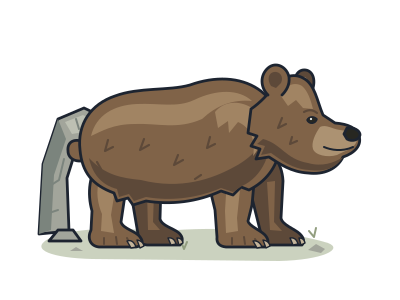
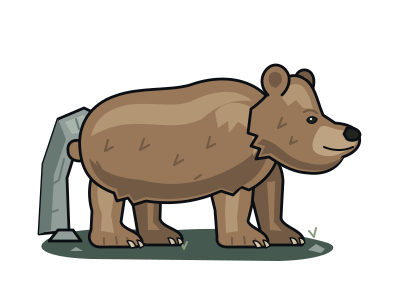
Cave bear †
Ursus spelaeus
A huge ice-age bear whose bones filled European caves.
Lived about 300,000–24,000 years ago.
You and the cave bear meet in the Placental mammals branch, shown at about 95 million years ago (on 23 December, in a calendar from life's shared ancestor to today).
Cave bears were huge ice-age bears whose bones became abundant in European caves. Their broad time range was about 300,000 to 24,000 years ago, though its boundaries were uncertain. They were relatives of brown bears, but not simply an earlier version of them: both lived in Europe at the same time. Evidence from DNA indicated that the two sometimes bred with one another.
Their name told only part of their story. Caves provided shelter during the cold season, rather than a home for every part of their lives. Hollows in cave floors marked resting places used during hibernation, their long winter rest. Preserved footprints recorded routes through the darkness. Repeated winter use helped explain why so many bones accumulated underground.
Despite their great size, these bears depended heavily on plant food. Their skulls and teeth, together with chemical clues in their bones, supported that picture of their diet. Woodlands provided important feeding places outside their winter shelters.
A stepped forehead
The skull had a very steep forehead, which gave the head a distinctive stepped outline from the side.
Painted by people
Bears painted in Chauvet Cave showed features that identified them as cave bears.
One skeleton, several bears
Genoa’s mounted cave bear skeleton was assembled from bones belonging to different individuals.
Next to it on the tree
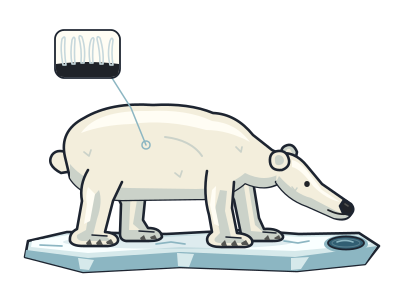
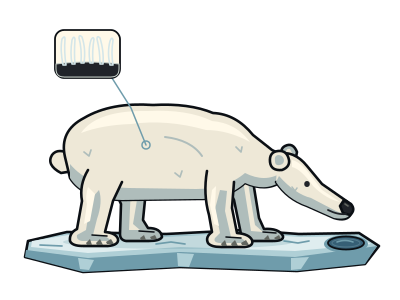
- Polar bearBlack skin beneath colourless hairs that scatter light into a pale coat; an Arctic seal hunter.
- Giant pandaOften spends about 12–14 hours a day eating bamboo, held with a wrist-bone “thumb”.


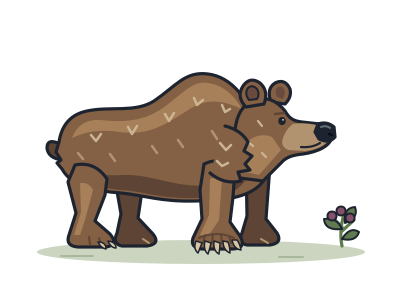
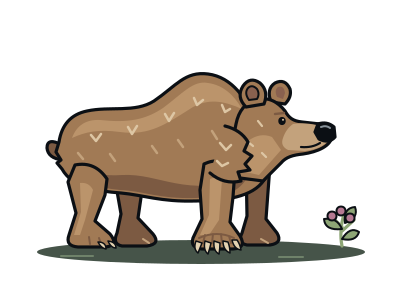
- Brown bearThe grizzly: can smell food kilometres away and the polar bear's close relative.
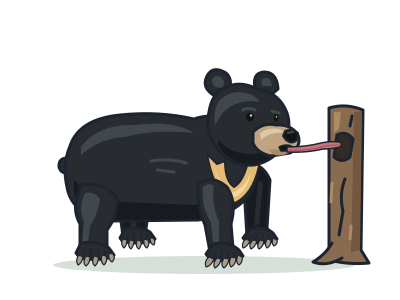
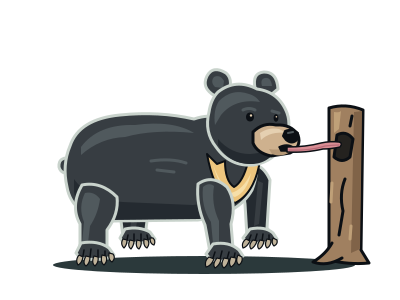
- Sun bearThe smallest bear, with a long tongue for honey and insects.
- American black bearNorth America’s most common bear, often brown or even white despite the name.
- Andean bearSouth America’s only bear, with pale face markings, and the inspiration for Paddington.
- Giant short-faced bearOne of the largest meat-eating land mammals ever, a long-legged Ice Age bear of North America.