An extinct species
Archaeopteris †
Archaeopteris
The first modern-looking tree, which still spread by spores like a fern
Lived about 385–359 million years ago.
You and the archaeopteris meet in the Eukaryotes branch, shown at about 1.8 billion years ago (on 28 July, in a calendar from life's shared ancestor to today).
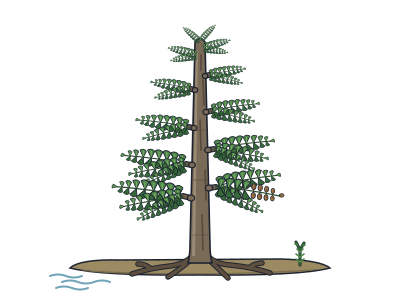
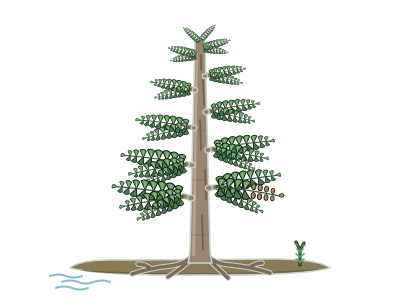
Imagine walking through a forest about 385 to 359 million years ago, long before the dinosaurs. Archaeopteris would have looked a bit like a modern conifer, with a straight woody trunk and branches reaching out sideways. But it had no seeds, cones or flowers. Like a fern, it spread by releasing tiny spores.
Its fossils show many features of modern trees. The wood had growth rings, just like a tree stump today, and the trunk had protective bark. Where each branch met the trunk, the wood swelled into a strong collar so the branch did not snap off easily. The leafy branches were flat sprays of small fan-shaped leaflets. On some branches, pairs of oval spore capsules grew in place of leaves.
Those sprays look so much like fern fronds that scientists thought it was a fern for about a hundred years. Its name even means 'ancient fern'. In fact it was a close relative of the seed plants, the group that today includes conifers and flowering plants. Some kinds made spores in two sizes, which is seen as an early step towards seeds.
Colour is not preserved in the fossils. Green leaves and grey-brown bark are a sensible guess based on living plants.
One tree, two names
For decades, its fossil wood had its own name, Callixylon, and its leaves were called Archaeopteris. In the 1960s the scientist Charles B. Beck showed that they came from the same plant.
King of Late Devonian forests
One study estimated that it made up about 90% of the forests near the end of the Devonian period. That would make it the main forest tree of its day.
A back-up plan for growing
It had side buds that let it keep growing even after the tip of a main shoot died. This was unusual among plants of its time.
Next to it on the tree
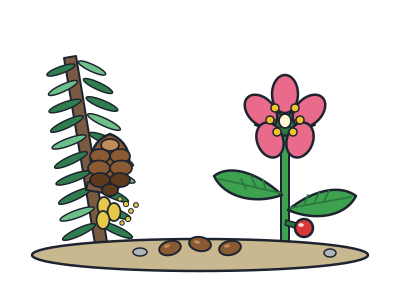
- Seed plantsThe seed: a baby plant packed with lunch, able to wait for the right moment.
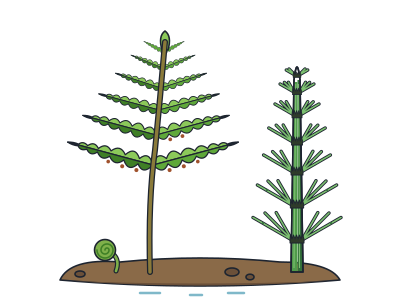
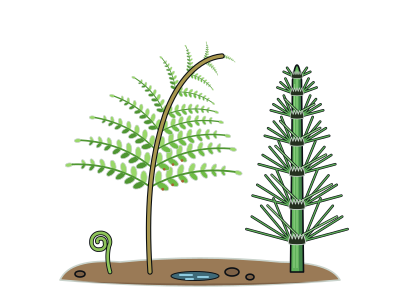
- Ferns and horsetailsLeafy plants that spread by spores, including horsetails, which turn out to be ferns.
- ElkinsiaOne of the very first seeds, each wrapped in a little cup of fingers.
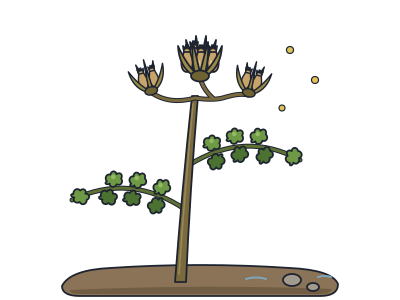
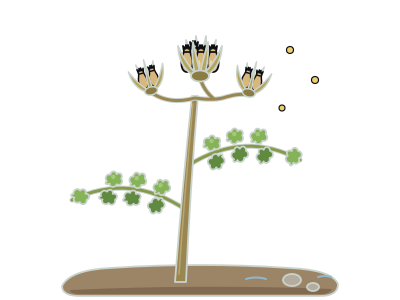
- Seed fernLooked like a tree fern but made seeds the size of hen's eggs.
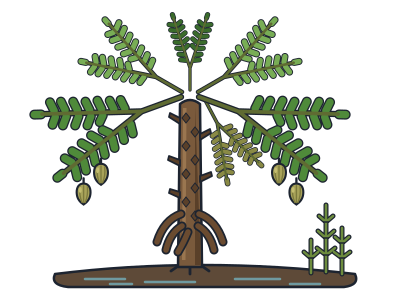
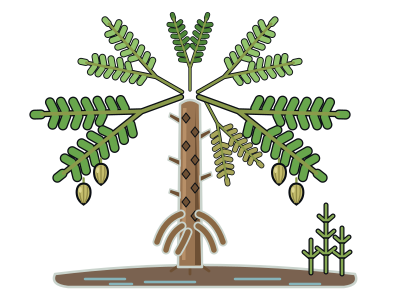
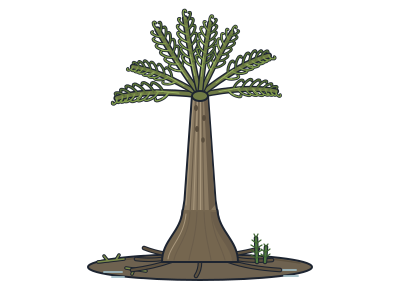
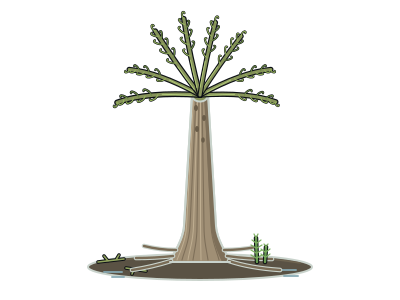
- WattiezaA palm-shaped tree from the world's oldest known forest, at Gilboa in New York.
- LyginopterisA scrambling seed fern of the coal forests, with sticky glands on its fronds.