A species
Shelled pond amoeba
Arcella vulgaris
A tiny amoeba that lives in a brown dome it builds itself.
You and the shelled pond amoeba meet in the Amoebas, fungi and animals branch, shown at about 1.5 billion years ago (on 23 August, in a calendar from life's shared ancestor to today).
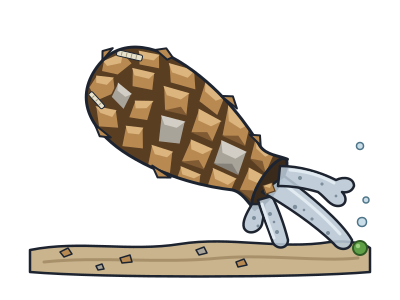
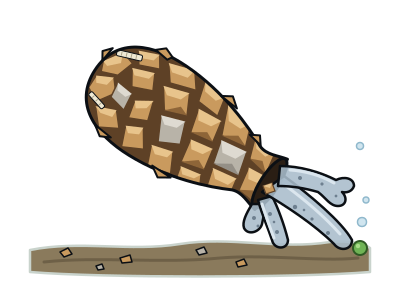
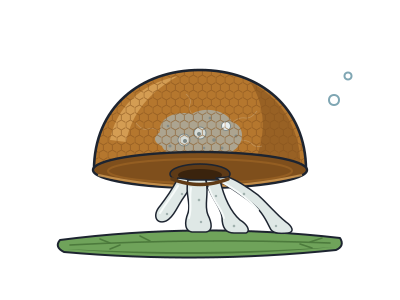
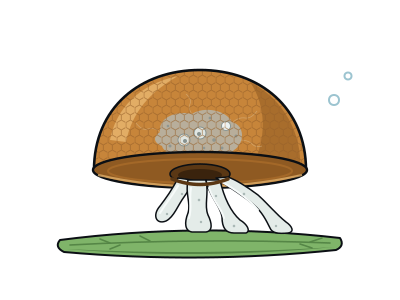
Picture a tiny brown dome, like a hat or a flying saucer, with a round hole in the middle of its underside. Inside lives a single soft cell: an amoeba. It pushes blunt, finger-like 'feet' out through the hole to crawl along and grab food.
This amoeba makes its own house. Its relative the sand-shell amoeba glues sand grains onto its shell. This one builds the whole shell from material its own cell produces. A new shell is clear or pale yellow. Over time, iron and manganese build up in it, and it slowly darkens to brown. The cell does not fill its home. Thin strands of living material hold it to the inside wall.
It belongs to the amoebas and slime moulds, alongside relatives such as the giant amoeba and the social amoeba. Surprisingly, this group sits on the same big branch of life as fungi and animals. That makes this little speck a closer relative of you than any bacterium is.
It lives in fresh water all over the world: ponds, pools, marshes, slow streams, wet moss and damp leaves. There it eats bacteria, algae, diatoms, fungi and other tiny single-celled creatures.
Built-in floats
It can make gas bubbles inside its shell. These let it float up through the water, or flip itself back over if it lands upside down.
More than one control centre
Most of these amoebas have two nuclei, the cell's control centres. Some have more, and one has been recorded with six.
Honeycomb walls
Under a strong microscope, the shell shows a honeycomb pattern. It is made of tiny box-like pieces laid in a single layer and cemented together.
Next to it on the tree
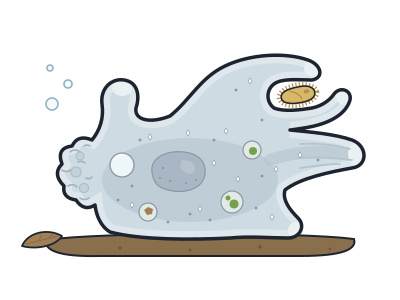
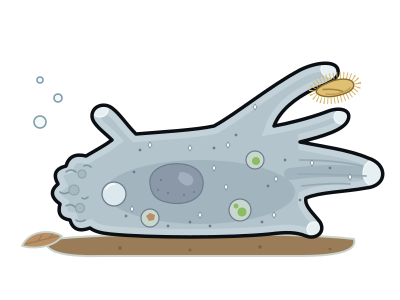
- Giant amoebaThe classic amoeba: it crawls by flowing into finger-like arms and engulfs its prey.
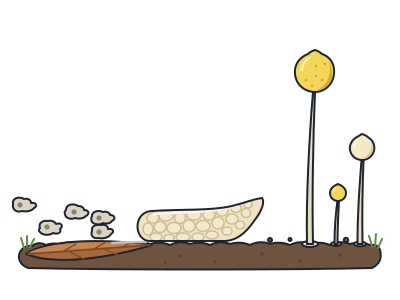
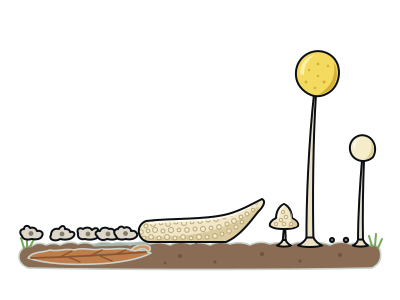
- Social amoebaWhen food runs out, thousands of single cells join into a slug, then a stalk that some die to build.
- Ancient vase-shaped amoebasTiny fossil vases about 750 million years old, probably homes built by shelled amoebas.
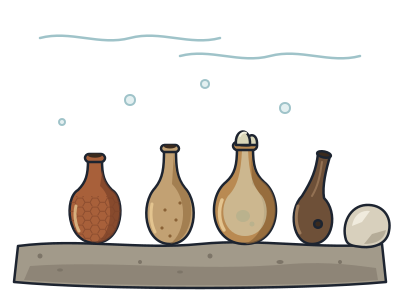
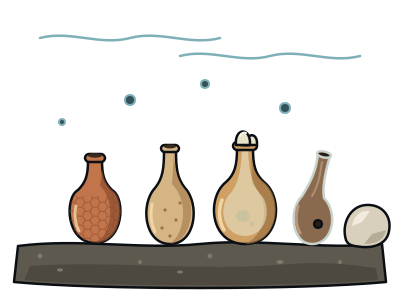
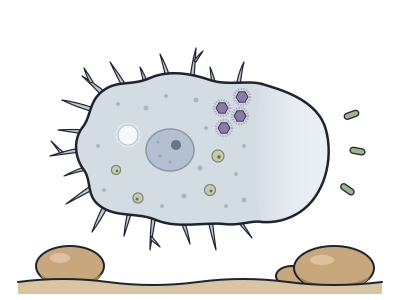
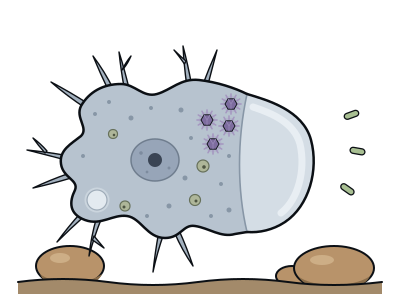
- AcanthamoebaA spiky soil amoeba in which scientists discovered giant viruses bigger than some bacteria.
- Dysentery amoebaA gut amoeba spread by dirty water, and a major cause of dysentery worldwide.


- Plasmodial slime mouldsGiant single cells that creep over logs, then turn into colourful spore-filled tufts.
- Sand-shell amoebaBuilds a flask-shaped shell by gluing together grains of sand it swallows.