A species
Social amoeba
Dictyostelium discoideum
Lone cells that team up into a slug, then a stalk, when food runs out.
You and the social amoeba meet in the Amoebas, fungi and animals branch, shown at about 1.5 billion years ago (on 23 August, in a calendar from life's shared ancestor to today).
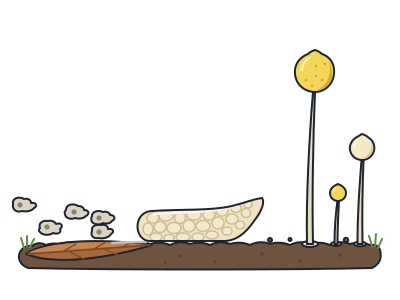
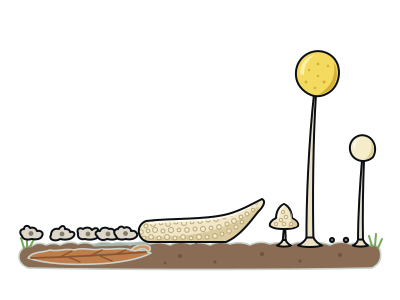
For most of its life, this amoeba lives alone. It is a single tiny cell crawling through soil and damp rotting leaves, eating bacteria. When the food runs out, something remarkable happens. Hungry cells give off a chemical signal in pulses, about once every six minutes, and their neighbours crawl towards it. Tens of thousands of cells stream together and form a glistening slug, smaller than a grain of rice.
The slug crawls as one, heading towards light. Then it stands up and turns into a tiny stalk, about 1 to 2 millimetres tall, with a ball of spores on top. It looks like a ping-pong ball balanced on a floppy wire. About one in five cells die to build the stalk. The rest become spores that can be carried to new places to start again. In the lab, the whole change takes about a day.
Because it makes stalks and spores, it was once counted as a fungus. In fact it is an amoeba. Its wider amoeba group is the sister group of the big branch that holds animals, fungi and a few tiny relatives. That makes this little blob a closer relative of you than any plant is.
Cheats and family
Some strains cheat. They put fewer of their cells into the stalk and more into spores. Cells tend to group with close relatives, which helps keep the cheats in check.
Super-sensitive to warmth
The slug can follow a change in temperature as tiny as about 0.05 °C across a centimetre. It usually crawls towards the warmer side.
A plant-like trail
As the slug moves, it leaves a slimy trail that contains cellulose. Cellulose is the same material found in the walls of plant cells.
Next to it on the tree
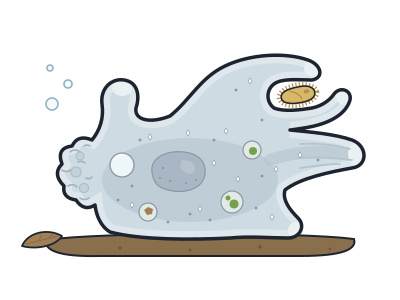
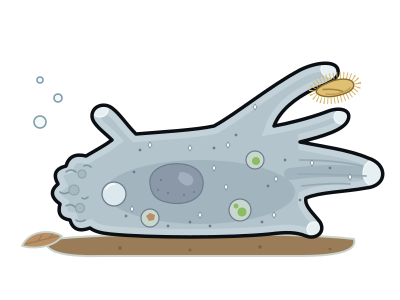
- Giant amoebaThe classic amoeba: it crawls by flowing into finger-like arms and engulfs its prey.
- Ancient vase-shaped amoebasTiny fossil vases about 750 million years old, probably homes built by shelled amoebas.


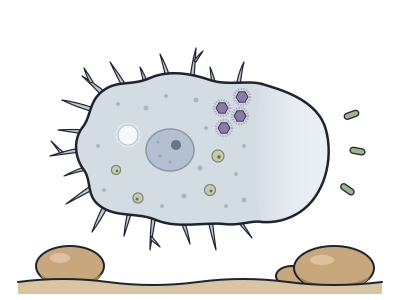
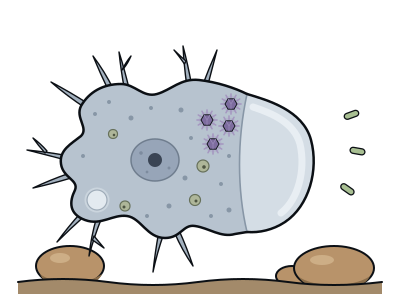
- AcanthamoebaA spiky soil amoeba in which scientists discovered giant viruses bigger than some bacteria.
- Dysentery amoebaA gut amoeba spread by dirty water, and a major cause of dysentery worldwide.


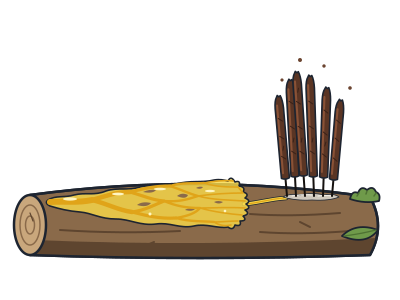
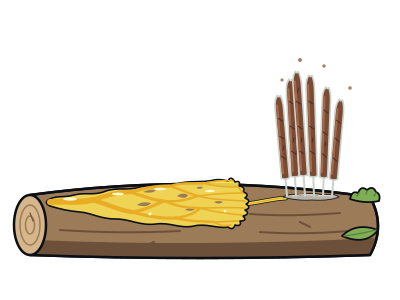
- Plasmodial slime mouldsGiant single cells that creep over logs, then turn into colourful spore-filled tufts.
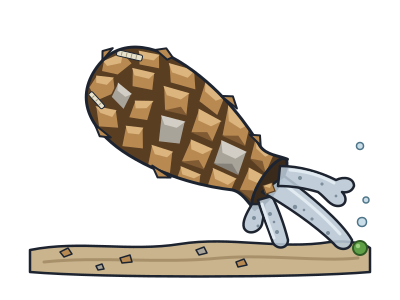
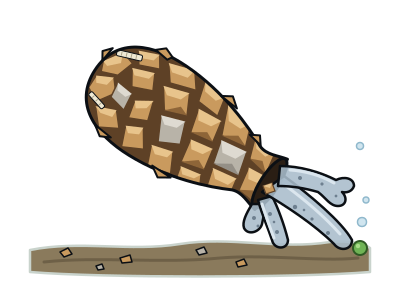
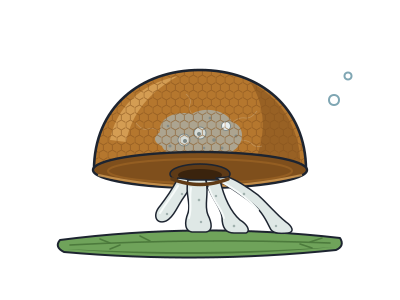
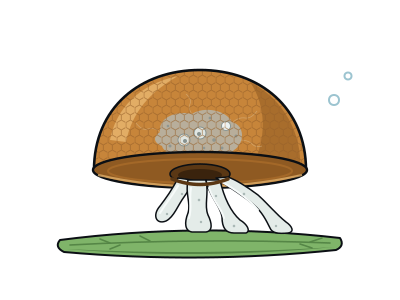
- Shelled pond amoebaAn amoeba living inside a brown dome shell, with a hole underneath for its feet.
- Sand-shell amoebaBuilds a flask-shaped shell by gluing together grains of sand it swallows.