
A species
Dysentery amoeba
Entamoeba histolytica
A gut amoeba spread by dirty water, a major cause of dysentery, and a relative of the slime moulds
You and the dysentery amoeba meet in the Amoebas, fungi and animals branch, shown at about 1.5 billion years ago (on 23 August, in a calendar from life's shared ancestor to today).
This tiny amoeba lives in the human gut and spreads through dirty water and food. It can cause dysentery, a serious illness with bloody diarrhoea and fever. It is found around the world, but it is most common in tropical places with poor sanitation. Luckily, only about one or two in every ten infected people actually get sick.
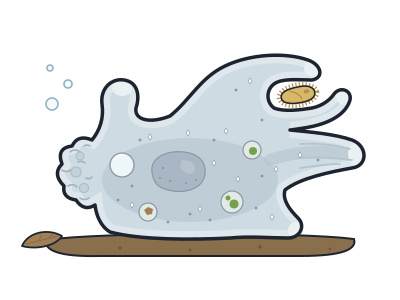
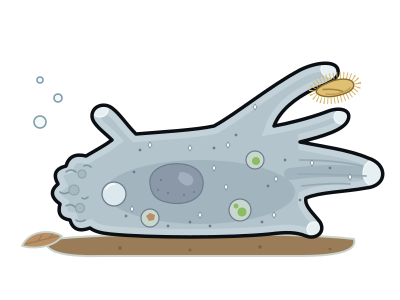
People catch it by swallowing its tough resting cysts, which come from faeces. Inside the gut, the cysts open and release active amoebae. Each one is a jelly-like blob with no fixed shape. It crawls along by pushing out a rounded "false foot" and letting the rest of the cell flow after it. The amoebae multiply by splitting in two, then form new cysts that leave the body, ready to reach the next person.
Here is the surprise: its relatives include the slime moulds, such as the social amoeba shown beside it on the tree. Their shared ancestor was probably a cell that breathed oxygen and had whip-like tails. Over time, the dysentery amoeba lost its tails. Its "power stations", the parts most cells use to get energy from oxygen, shrank to tiny leftovers. Now it lives in places with little or no oxygen.
A telltale meal
Under a microscope, you can often see swallowed red blood cells inside it. This is the classic sign of this species.
A harmless twin
A look-alike amoeba is about 10 times more common around the world. The two look the same under an ordinary microscope, but the look-alike causes no disease and needs no treatment.
Beyond the gut
Sometimes it eats through the gut wall and travels to the liver, where it can cause pockets of infection. This is the most common problem it causes outside the gut.
Next to it on the tree
- Giant amoebaThe classic amoeba: it crawls by flowing into finger-like arms and engulfs its prey.
- Social amoebaWhen food runs out, thousands of single cells join into a slug, then a stalk that some die to build.
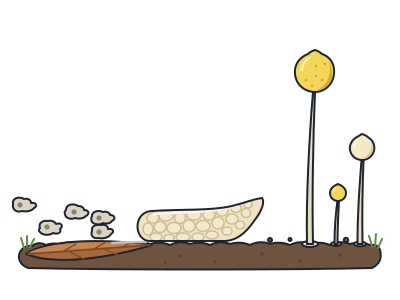
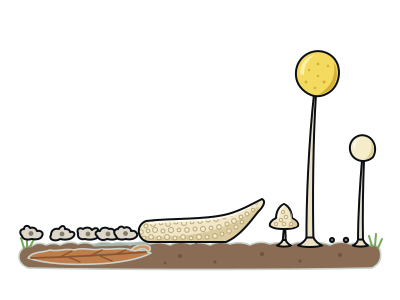
- Ancient vase-shaped amoebasTiny fossil vases about 750 million years old, probably homes built by shelled amoebas.


- AcanthamoebaA spiky soil amoeba in which scientists discovered giant viruses bigger than some bacteria.
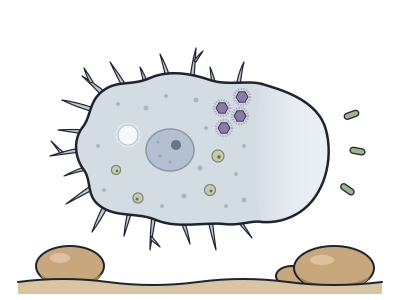
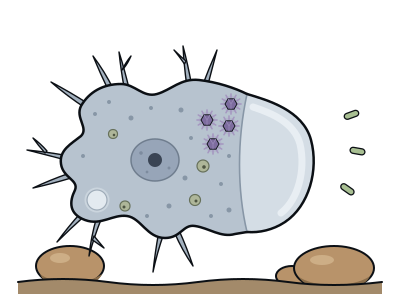
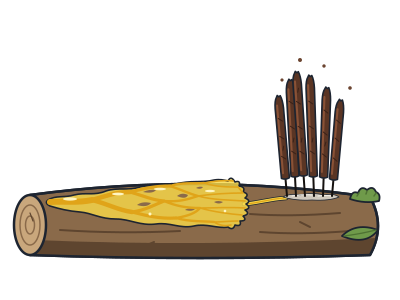
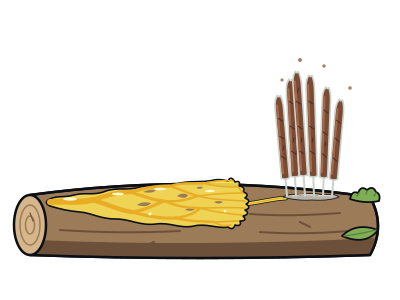
- Plasmodial slime mouldsGiant single cells that creep over logs, then turn into colourful spore-filled tufts.
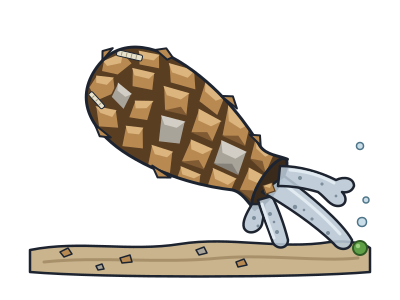
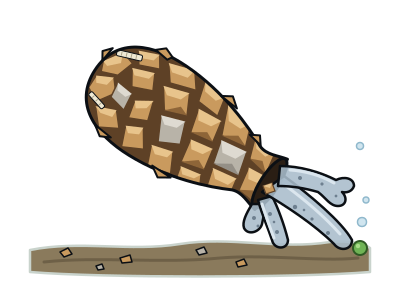
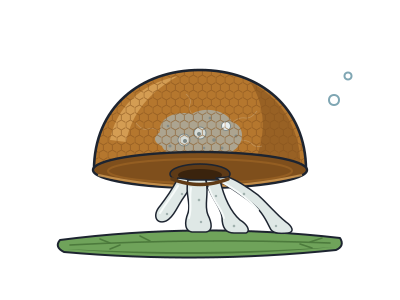
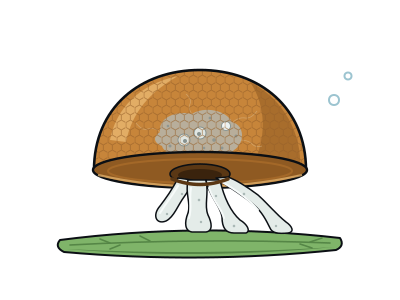
- Shelled pond amoebaAn amoeba living inside a brown dome shell, with a hole underneath for its feet.
- Sand-shell amoebaBuilds a flask-shaped shell by gluing together grains of sand it swallows.