An extinct group
Ancient vase-shaped amoebas †
Vase-shaped microfossils (Arcellinida)
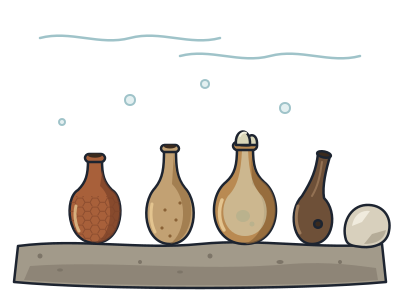
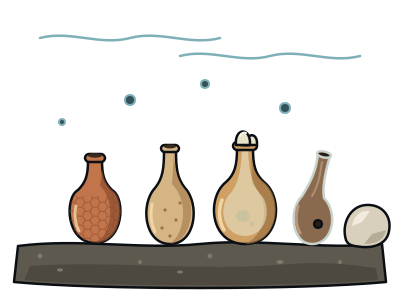
Tiny fossil vases, probably homes built by shelled amoebas about 750 million years ago
Lived about 790–730 million years ago.
You and ancient vase-shaped amoebas meet in the Amoebas, fungi and animals branch, shown at about 1.5 billion years ago (on 23 August, in a calendar from life's shared ancestor to today).
Long before the dinosaurs, tiny vases were being built in shallow seas. These microscopic shells, or microfossils, come from rocks about 790 to 730 million years old. Each one was probably the home of a single amoeba, a soft, blob-like cell that built a shell around itself. Animals had probably not yet appeared, or were at most very simple, so these little shells give a rare glimpse of life in a world of single cells.
The fossils show shells shaped like flasks or teardrops. They were swollen at one end and narrowed to a neck with a single opening. The biggest were about a third of a millimetre long, about the width of a few human hairs side by side. The opening could be round, six-sided, triangular or scalloped, and some had a raised collar.
Scientists think their closest living relatives are shelled amoebas that are common today in ponds, damp soils and mosses. Those modern relatives live only in fresh water and damp places on land, but these ancient ones lived in the sea. Going by living relatives, the cell inside probably pushed blob-like 'false feet' out through the opening to crawl and feed.
They have been found around the world, including in the Grand Canyon, Sweden, Namibia, Mongolia, Brazil and Tasmania.
Mystery holes
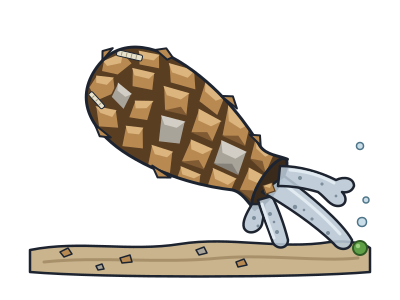
In some Grand Canyon samples, up to about 1 in 10 shells had small round or half-moon-shaped holes. These may have been made by tiny hunters, which would make them some of the earliest signs of one complex cell preying on another.
Honeycomb walls
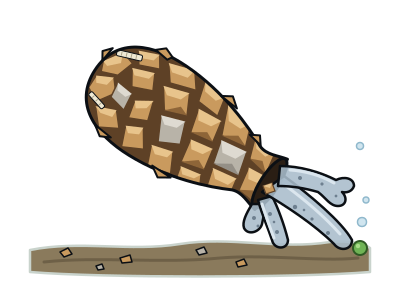
About 1 in 100 of the Grand Canyon shells had a honeycomb pattern on the wall. Scientists think it came from small mineral scales set in neat rows.
A big living family
Their modern shelled-amoeba relatives are a large group. Scientists estimate there are about 800 to 2,000 living species.
Next to it on the tree
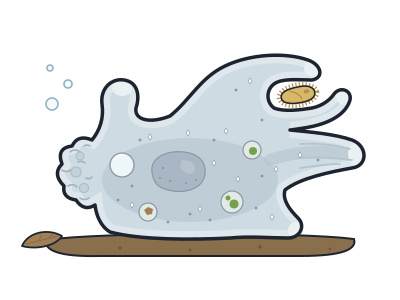
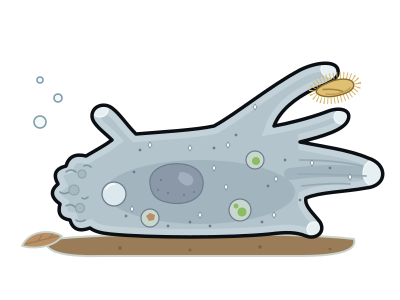
- Giant amoebaThe classic amoeba: it crawls by flowing into finger-like arms and engulfs its prey.
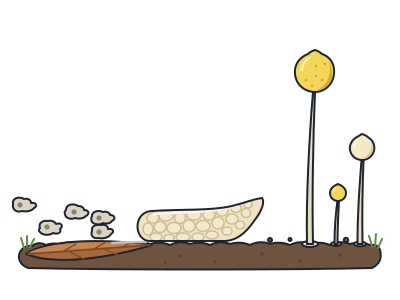
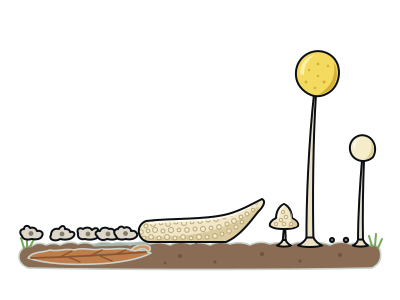
- Social amoebaWhen food runs out, thousands of single cells join into a slug, then a stalk that some die to build.
- AcanthamoebaA spiky soil amoeba in which scientists discovered giant viruses bigger than some bacteria.
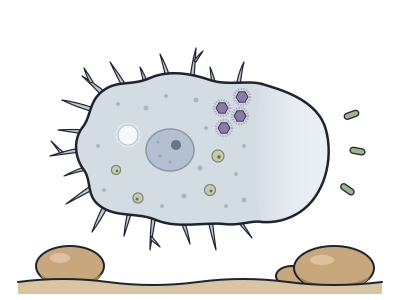
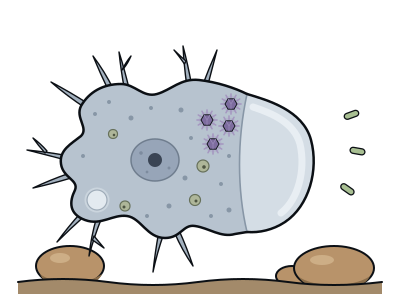
- Dysentery amoebaA gut amoeba spread by dirty water, and a major cause of dysentery worldwide.


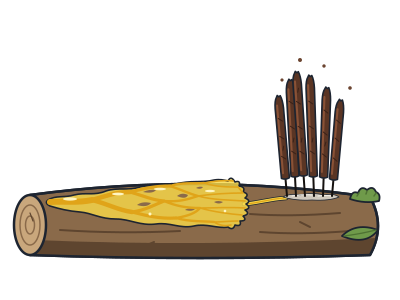
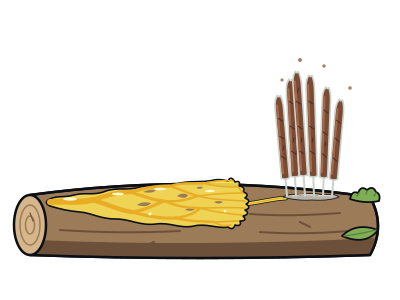
- Plasmodial slime mouldsGiant single cells that creep over logs, then turn into colourful spore-filled tufts.
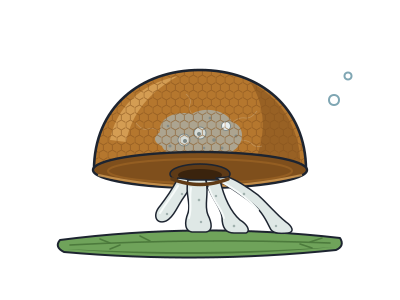
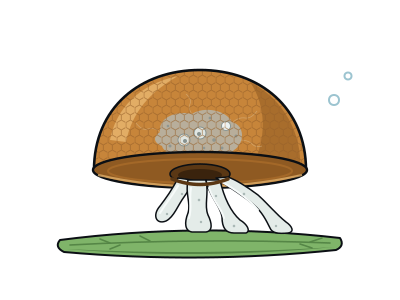
- Shelled pond amoebaAn amoeba living inside a brown dome shell, with a hole underneath for its feet.
- Sand-shell amoebaBuilds a flask-shaped shell by gluing together grains of sand it swallows.