A species
Acanthamoeba
Acanthamoeba castellanii
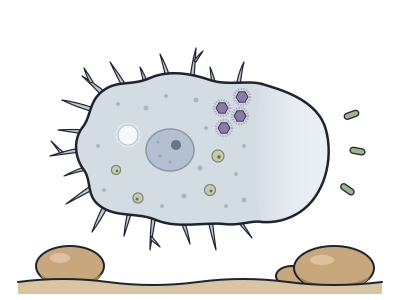
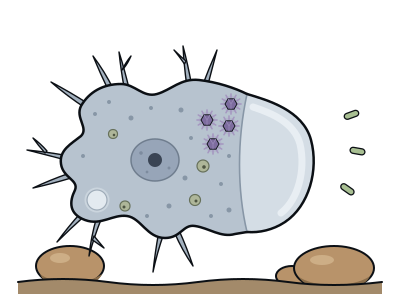
A spiky soil amoeba that helped scientists find giant viruses
You and the acanthamoeba meet in the Amoebas, fungi and animals branch, shown at about 1.5 billion years ago (on 23 August, in a calendar from life's shared ancestor to today).
This tiny, spiky blob hunts bacteria in soil, dust and water all over the world. It has a surprising claim to fame. Inside amoebas of its kind, scientists found giant viruses, some bigger than certain bacteria.
The first one turned up in 1992, inside a close relative of this species living in water from a cooling tower in England. It was so big that scientists first mistook it for a bacterium. Only in 2003 did they show it was a virus. They named it Mimivirus, which means 'mimicking microbe'.
Later, scientists mixed frozen Siberian soil more than 30,000 years old with this amoeba. The amoebas brought an ancient giant virus back to life. That virus is about 1.5 micrometres long, big enough to see with an ordinary microscope. It infects only amoebas, not people.
Its name means 'spiky amoeba', after the thin spines that stick out from its surface. On the tree it sits with the slime moulds and the social amoeba, inside a bigger group that also includes fungi and animals. Surprisingly, it has a full set of cell-messaging tools that scientists once linked mainly with animals.
An uninvited guest
It was first found in 1930 by the microbiologist Castellani, growing uninvited in a yeast culture. The species is named after him.
A virus that attacks viruses
In 2008 scientists found 'Sputnik', a small virus that infects giant viruses while they grow inside amoebas.
Borrowed genes
It has about 15,500 genes. Quite a few of them seem to have been picked up from other kinds of life, such as bacteria.
Next to it on the tree
- Giant amoebaThe classic amoeba: it crawls by flowing into finger-like arms and engulfs its prey.


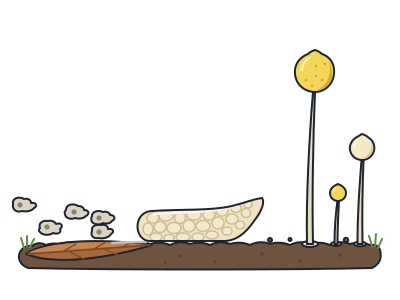
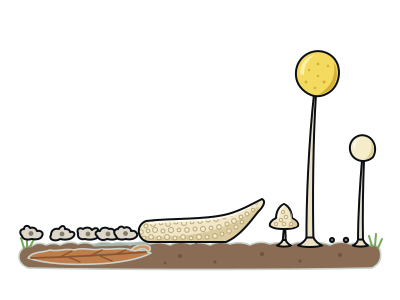
- Social amoebaWhen food runs out, thousands of single cells join into a slug, then a stalk that some die to build.
- Ancient vase-shaped amoebasTiny fossil vases about 750 million years old, probably homes built by shelled amoebas.


- Dysentery amoebaA gut amoeba spread by dirty water, and a major cause of dysentery worldwide.


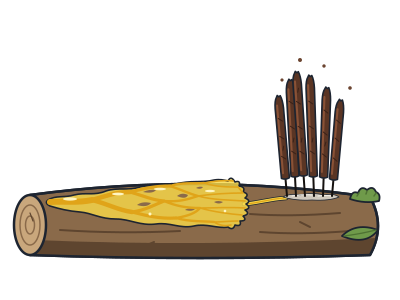
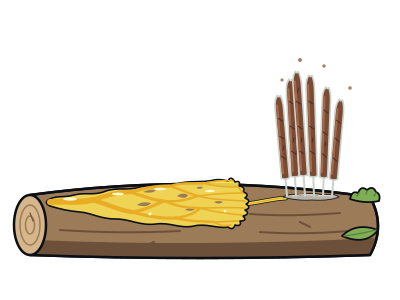
- Plasmodial slime mouldsGiant single cells that creep over logs, then turn into colourful spore-filled tufts.
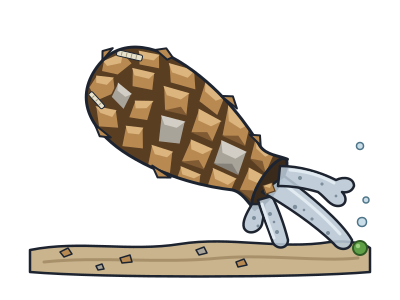
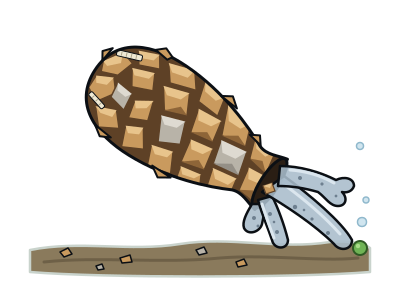
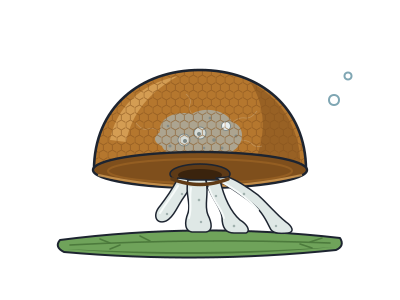
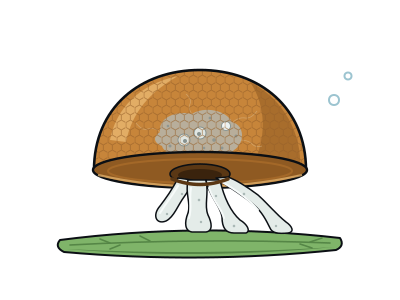
- Shelled pond amoebaAn amoeba living inside a brown dome shell, with a hole underneath for its feet.
- Sand-shell amoebaBuilds a flask-shaped shell by gluing together grains of sand it swallows.