An extinct species
Williamsonia †
Williamsonia
A dinosaur-age plant whose cones looked like flowers
Lived about 200–90 million years ago.
You and the williamsonia meet in the Eukaryotes branch, shown at about 1.8 billion years ago (on 28 July, in a calendar from life's shared ancestor to today).
Long before roses or daisies existed, some plants in the age of dinosaurs had already hit on a flower-like look. Williamsonia was one of them. It lived about 200 to 90 million years ago. Its cones were an early, separate experiment in looking like a flower, not a step on the way to real flowers. On the tree it is one branch of the seed plants, alongside flowering plants, conifers and other seed-plant groups, and nobody yet knows exactly which of them it was closest to.
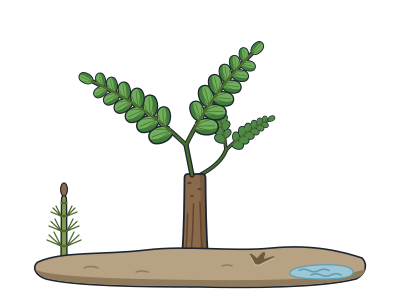
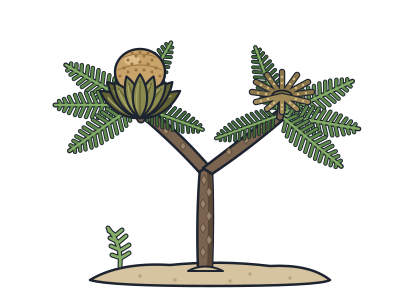
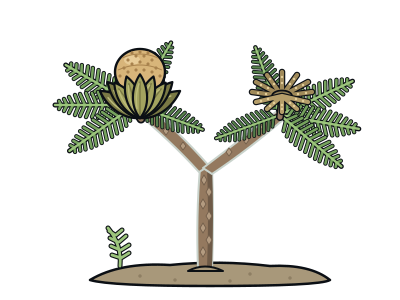
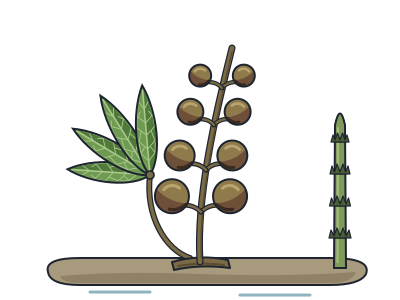
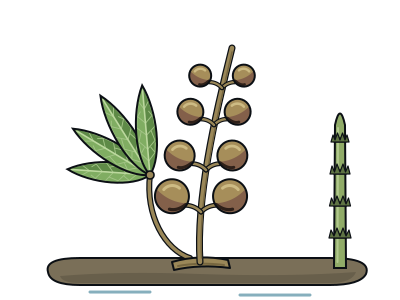
Fossils show what the female cone was like. At its centre was a dome packed with seeds on little stalks, with scales squeezed in between them. A ring of pointed bracts wrapped around the outside. Each cone sat on a stalk at the tip of a branch. It could be up to about 15 cm across, roughly the size of a grapefruit, and held up to about 25 to 50 seeds.
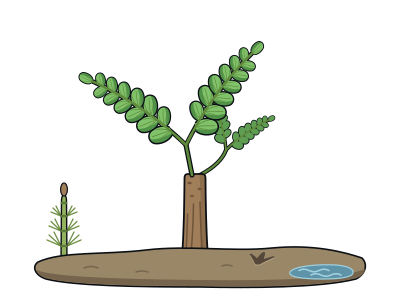
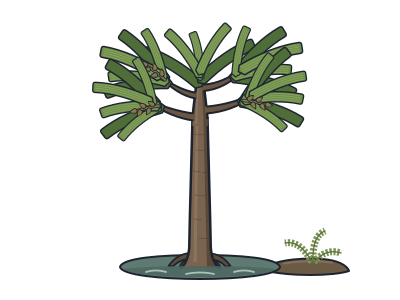
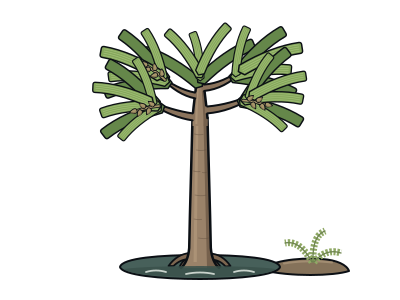
The plant may have looked a bit like a cycad, with stems covered in old leaf bases. But tiny details of the breathing pores on its leaves show it belonged to a different group. At least one close relative was a low, branching shrub only about 2 to 3 metres tall. Its colours and scent did not survive in the fossils, so pictures of them are guesses.
Its wider group was among the most common seed plants in the age of dinosaurs. It shrank sharply as flowering plants spread, and was mostly gone by the time the dinosaurs died out.
A starry partner
The pollen-making parts that went with these cones have their own fossil name, Weltrichia. Each one was a cup with about 9 to 30 rays spreading out like a star. Depending on the species, it measured anywhere from about 3 cm to more than 22 cm across.
A jigsaw solved in India
Stems, leaves and 'flowers' were found as separate fossils and given different names. Botanist Birbal Sahni worked out that they all came from one plant. In 1932 he described a petrified species from the Rajmahal Hills in India and drew the whole plant.
Named after a Scarborough man
The plant is named after William Crawford Williamson, who was born in Scarborough, England, and first described the fossil. William Carruthers gave the genus its name in 1870.
Next to it on the tree
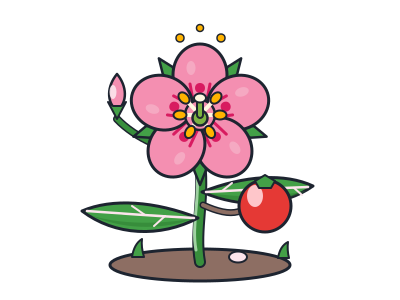
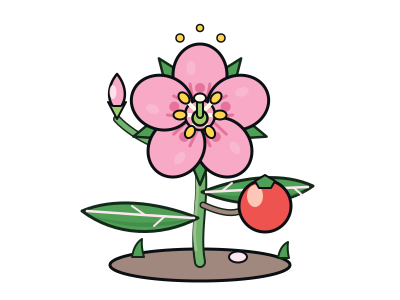
- Flowering plantsFlowers and fruit recruited animals as couriers and took over the planet.
- GlossopterisIts tongue-shaped leaves are found in Africa, India, Antarctica and Australia, proving those lands were joined.
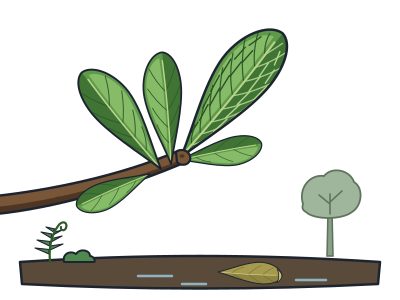
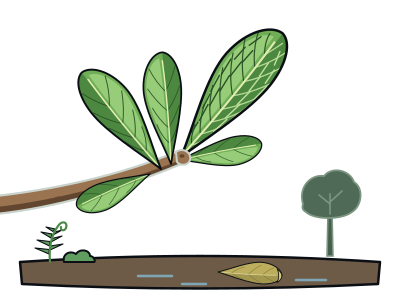
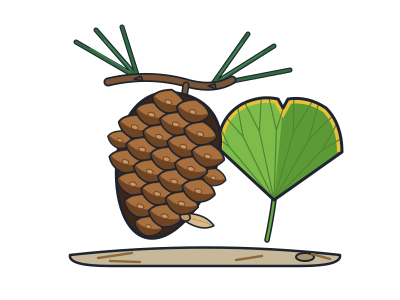
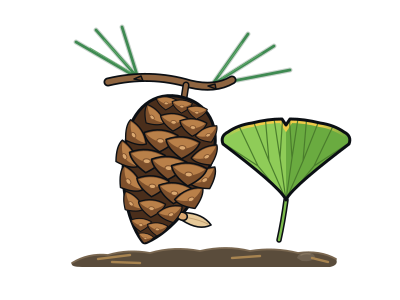
- Conifers and other gymnospermsSeed plants with naked seeds, usually in cones, from pines to the strange Welwitschia.
- CordaitesTall trees with long strap leaves that grew in coal swamps and are cousins of conifers.
- CaytoniaA Jurassic seed plant with seeds wrapped in a cup, long debated as a flowering-plant forerunner.
- DicroidiumForked fern-like leaves that carpeted the southern lands while the first dinosaurs walked.