A group of living things
Red algae
Rhodophyta
Seaweeds dyed red by pigments that catch the blue-green light of deeper water
This branch is shown at about 1.1 billion years ago; its age is a rough estimate.
You and red algae meet in the Eukaryotes branch, shown at about 1.8 billion years ago (on 28 July, in a calendar from life's shared ancestor to today).
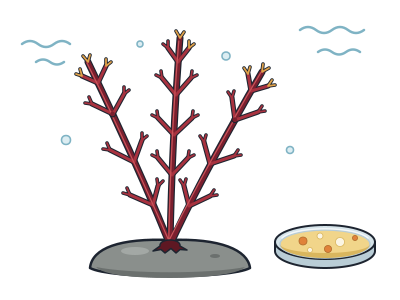
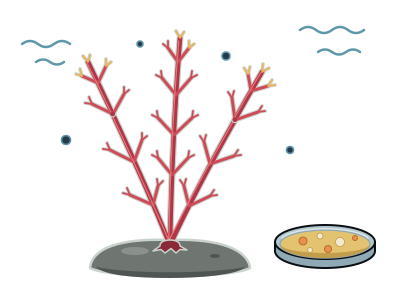
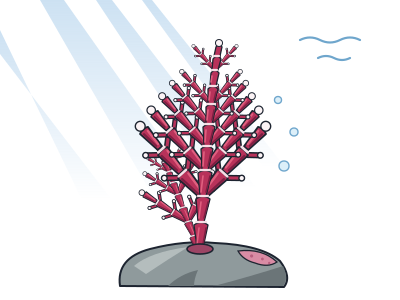
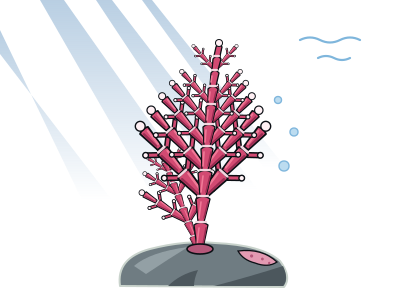
Red algae get their colour from extra pigments. The main one reflects red light and soaks up the blue and green light that still reaches deeper water, where ordinary green chlorophyll works poorly. The energy it catches is passed on for making food. This lets red algae make food from sunlight a bit deeper than most other algae.
Some go very deep indeed. Crusty pink coralline red algae are the deepest-living seaweeds known, found down to almost 300 metres. That is about the length of three football pitches laid end to end, and far below where most of the sunlight has faded away.
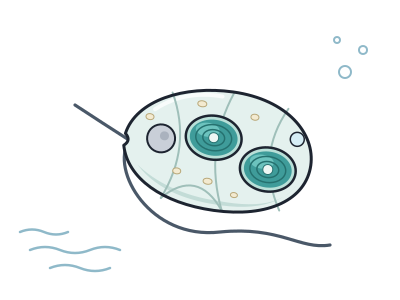
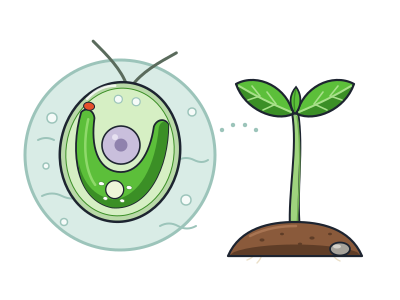
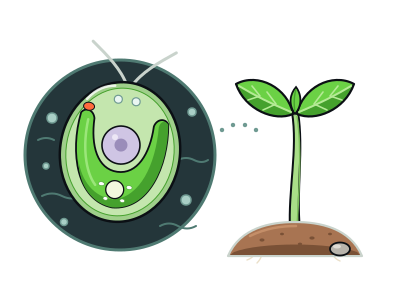
Here is the family surprise. Long ago, an ancestor shared by red algae, green plants and glaucophytes swallowed a tiny sunlight-using bacterium and kept it. That puts red algae in one big group with green plants and glaucophytes. So the seaweed in a rock pool is a relative of the trees in your garden. Unlike many algae, though, red algae never have whip-like tails for swimming, at any stage of life.
There are over 7,000 known species, from single cells too small to see to feathery fronds. About 95 out of every 100 live in the sea. Some red algae, the coralline kinds, build chalky skeletons and have helped build tropical reefs. Nori, the dark sheet wrapped around sushi, is a red alga too.
The scientist who saved nori
In 1948 Japan's nori harvest collapsed. In 1949 a Manchester scientist, Kathleen Drew-Baker, showed that a tiny pink alga that bores into shells was really one life stage of laver, a close cousin of nori. Japanese scientists used this to seed nori farms, and Japan honours her every 14 April as the 'Mother of the Sea'.
Borrowed sun-catchers
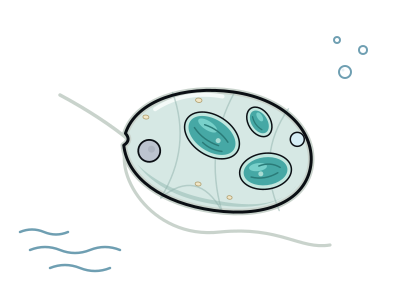
Other microbes later took over red algae's sunlight-catching parts for themselves. Today more than half of known single-celled species with these parts carry ones that came from red algae. They include diatoms and relatives of the parasites that cause malaria.
Seaweed in your dessert
Agar and carrageenan, two substances used to set and thicken foods, come from red algae. You may find them in jellies, ice cream and other dairy desserts.
Inside red algae
- Nori seaweedThe red alga wrapped around sushi.
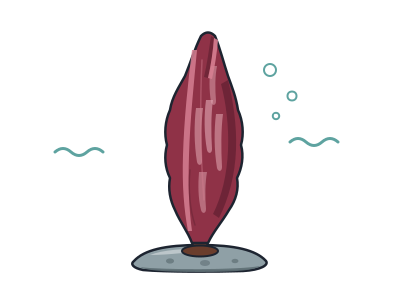
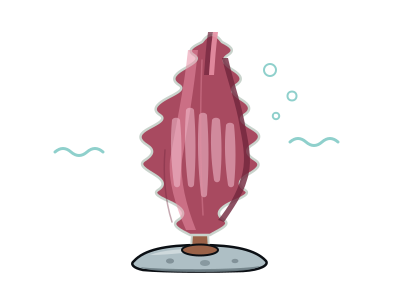
- BangiomorphaA billion-year-old red seaweed: the oldest known living thing to reproduce sexually.
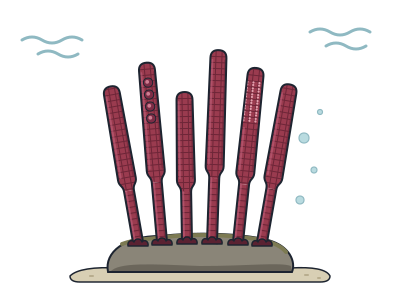
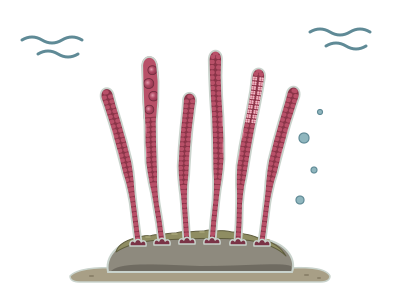
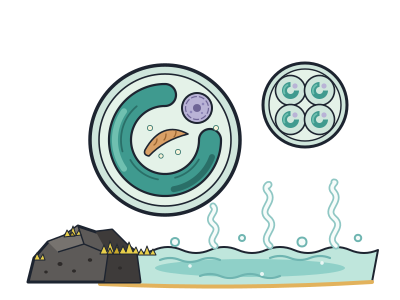
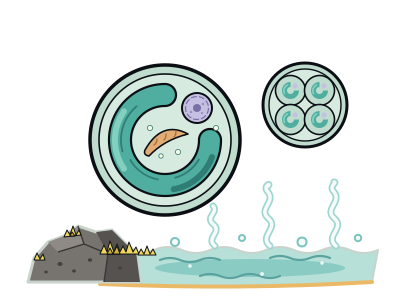
- Hot-spring red algaThrives in boiling acid springs and borrowed genes from bacteria to survive there.
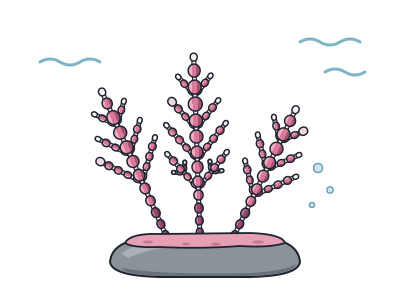
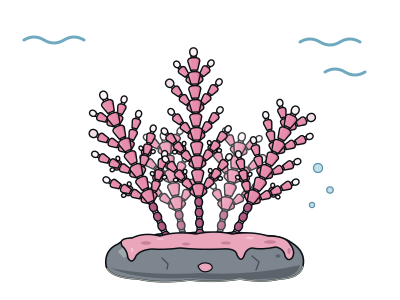
- Coral weedA seaweed that builds a skeleton of chalk, helping cement coral reefs together.
- Irish mossA purple-red seaweed whose jelly thickens ice cream and toothpaste.
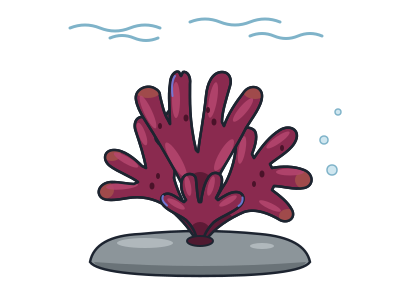
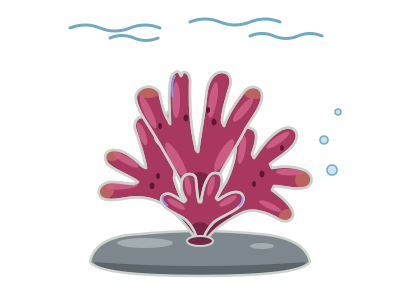
- DulseA chewy red seaweed that coastal people have snacked on for over a thousand years.
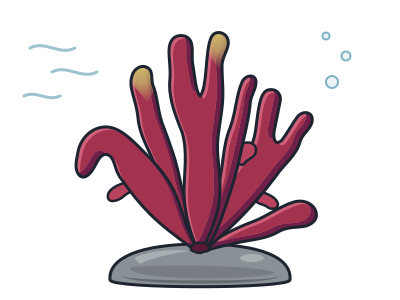
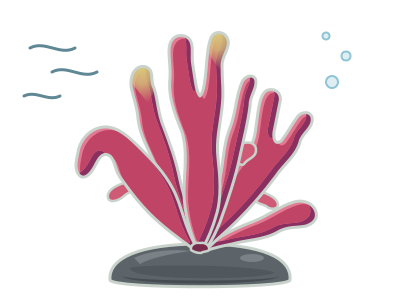
- Agar weedThe wiry seaweed whose jelly sets desserts and fills the dishes scientists grow microbes on.