A species
Hot-spring red alga
Galdieria sulphuraria
A tiny alga that lives in scalding acid springs, helped by genes borrowed from microbes.
You and the hot-spring red alga meet in the Eukaryotes branch, shown at about 1.8 billion years ago (on 28 July, in a calendar from life's shared ancestor to today).
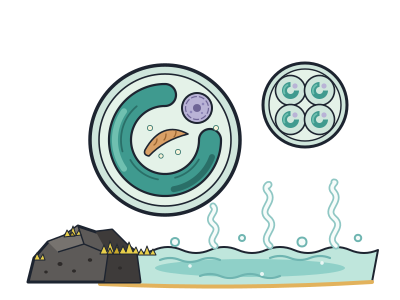
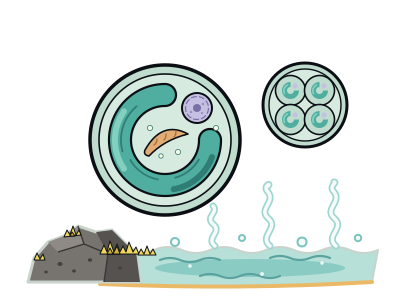
Picture a steaming pool of water that can be as acidic as battery acid. The hottest parts are left to bacteria and archaea. But in the runoff, at up to about 56 °C (much hotter than any bath), this tiny alga thrives. Very few living things with a nucleus in their cells can survive there. It can even live inside cracks in hot volcanic rock.
Part of its secret is borrowed genes. Animals and plants get nearly all their genes from their parents. This alga also picked up genes sideways from bacteria and archaea, often from microbes living in the same hot, acidic places. These genes are linked to coping with heat, salt and poisonous metals such as arsenic and mercury. In 2013, researchers called it the first known example of a eukaryote that adapted to such an extreme life by taking genes from these microbes.
It is a red alga, so it is related to seaweeds like nori and Irish moss. Its group split off first from all the other red algae alive today. Yet it is just one round cell, less than a tenth the width of a human hair. And it is not even red. A blue pigment and green chlorophyll make it look blue-green to yellow-green.
A meal in the dark
Unlike most algae, it can live without light by soaking up food from its surroundings. More than 50 different kinds of carbon-based food, including rare sugars, have been found to let it grow.
Stores food like an animal
Instead of the starch most red algae make, it stores energy as an unusual, very branched form of glycogen, the storage sugar animals also use.
A blue that takes the heat
Its blue pigment stays stable in heat and acid. It is being developed as a natural food colouring and for cosmetics. The alga is also being studied as a way to recover precious metals from waste.
Next to it on the tree
- Nori seaweedThe red alga wrapped around sushi.
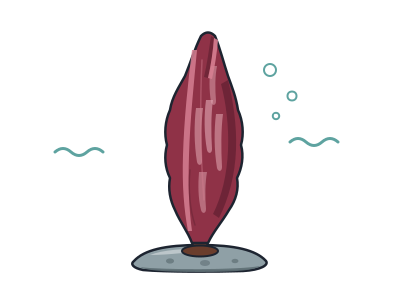
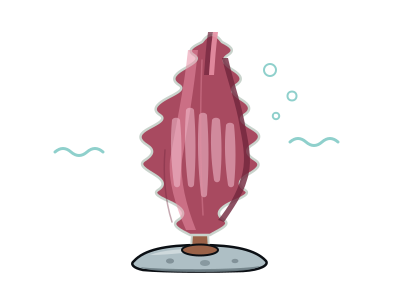
- BangiomorphaA billion-year-old red seaweed: the oldest known living thing to reproduce sexually.
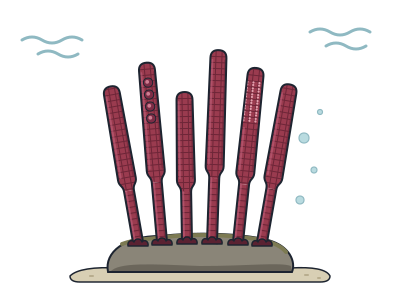
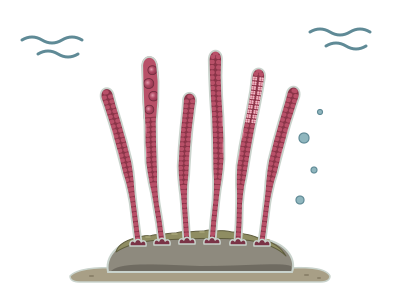
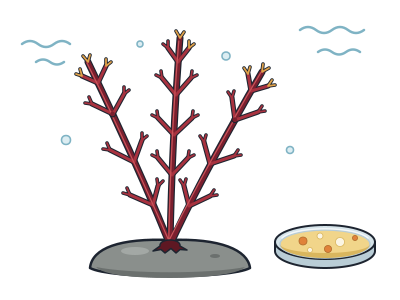
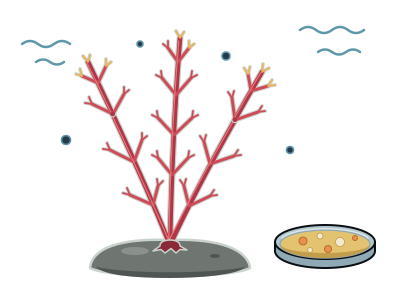
- Coral weedA seaweed that builds a skeleton of chalk, helping cement coral reefs together.
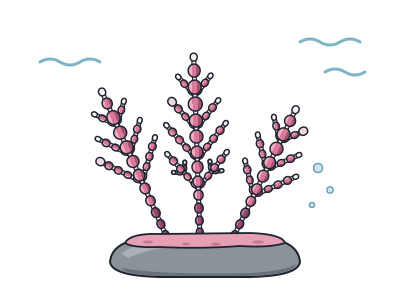
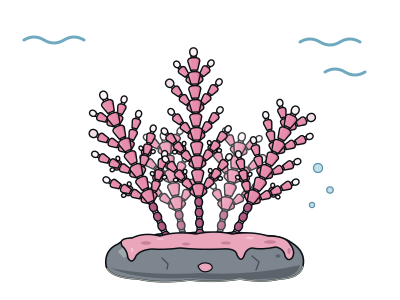
- Irish mossA purple-red seaweed whose jelly thickens ice cream and toothpaste.
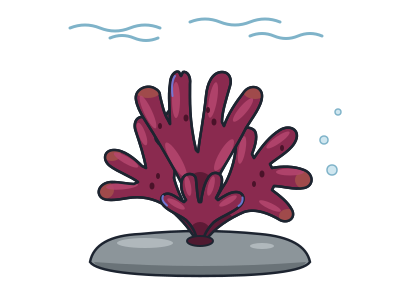
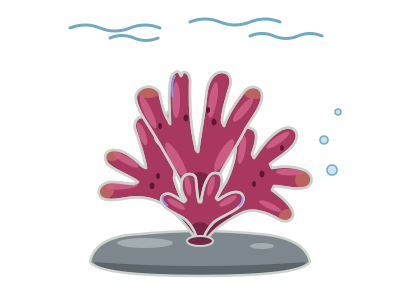
- DulseA chewy red seaweed that coastal people have snacked on for over a thousand years.
- Agar weedThe wiry seaweed whose jelly sets desserts and fills the dishes scientists grow microbes on.