An extinct species
Paranthropus boisei †
Paranthropus boisei
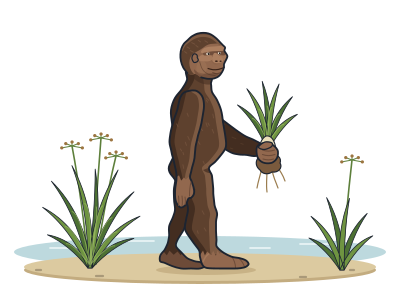
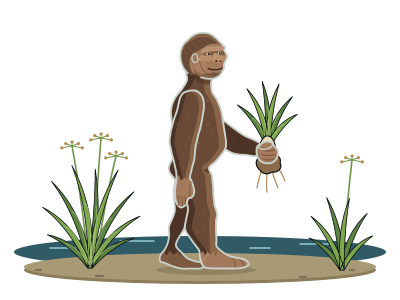
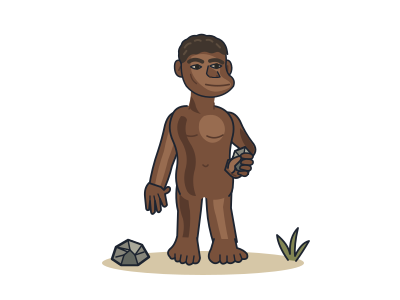
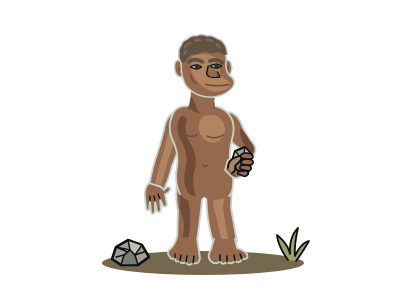
A human cousin with giant back teeth, nicknamed "Nutcracker Man"
Lived about 2.3–1.3 million years ago.
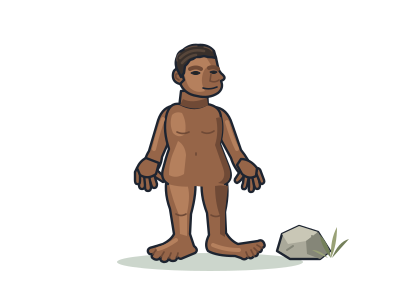
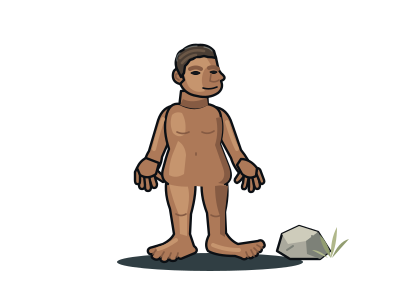
You and the paranthropus boisei meet in the Humans and chimpanzees branch, shown at about 7 million years ago (on 31 December, in a calendar from life's shared ancestor to today).
Compare with something elseMeet "Nutcracker Man", a cousin of ours who lived in eastern Africa about 2.3 to 1.3 million years ago. It walked upright on two legs, like us, but it was not our ancestor. It belonged to a side branch of the human family that died out. For a long time, it shared the same lands with early members of our own group, such as Homo habilis and Homo erectus.
Its fossil skulls are striking. Its big cheek teeth were about four times the size of ours and had very thick enamel. Its front teeth were small. Males had a bony crest along the top of the skull, which anchored huge chewing muscles. Wide, flaring cheekbones gave the face a flat, dish-like shape.
Those mighty jaws earned it the nickname, but the name is misleading. Chemical clues in its tooth enamel suggest it ate mostly grasses and sedges, a bit like a grazing cow. Tiny scratches on its teeth also suggest softer foods, not regular nut-cracking.
That big head sat on a small body. Scientists estimate that males stood about 137 centimetres tall, roughly the height of a 10-year-old child.
Found in pieces
Mary Leakey found its best-known skull on 17 July 1959 at Olduvai Gorge in Tanzania. It was in many fragments. Over about three weeks, the team gathered the pieces and rebuilt a fairly complete skull, now called OH 5.
Hands that could grip
Hand bones described in 2025 combine human-like proportions with a strong, gorilla-like grip. The researchers say this means it could have made and used stone tools.
A small brain
Its brain averaged about 490 cubic centimetres. That is roughly a third of the size of ours and somewhat bigger than a chimpanzee's.
Next to it on the tree
- HumanYou are here: one twig on a very large tree.


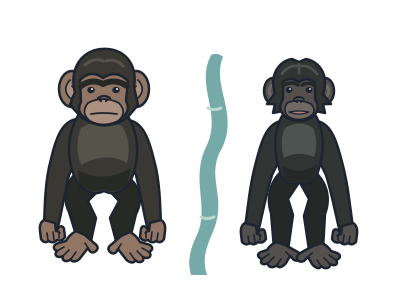
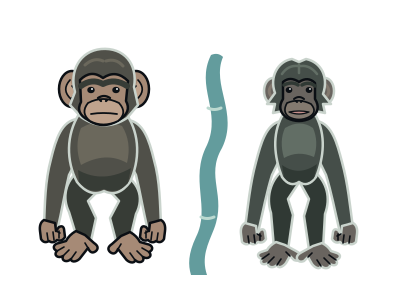
- Chimpanzees and bonobosTwo apes split by the Congo River: one more warlike, one more peaceful.
- "Lucy" (Australopithecus)Walked upright 3.2 million years ago with a brain the size of a chimp's.
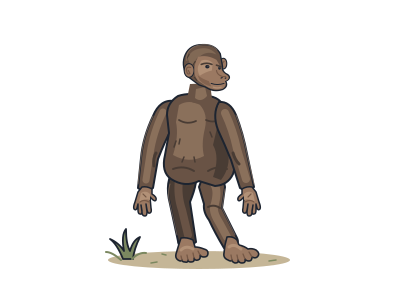
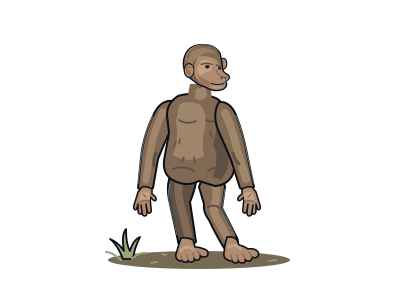
- Homo erectusThe first human relative to leave Africa, and it lasted nearly two million years.
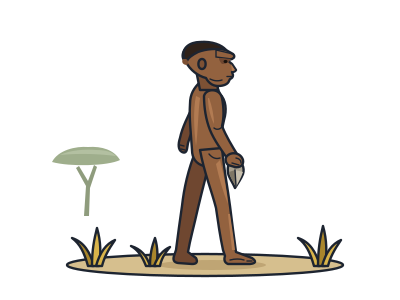
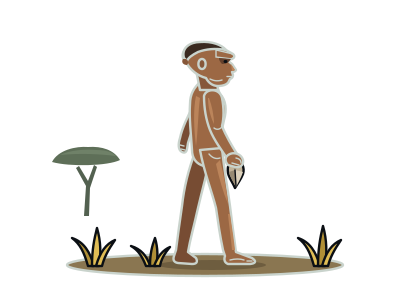
- NeanderthalAmong our closest extinct relatives; many people carry some Neanderthal DNA.
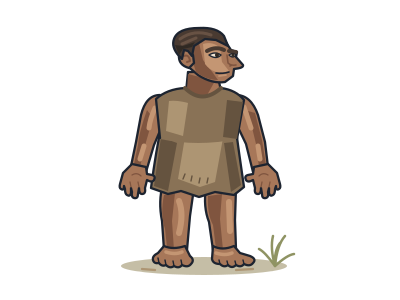
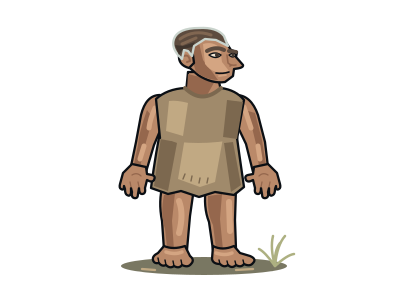
- Homo habilisThe "handy man", an early member of our genus linked to early stone tools.
- DenisovansFirst recognised from ancient DNA; an inherited gene version helps Tibetans cope with thin mountain air.
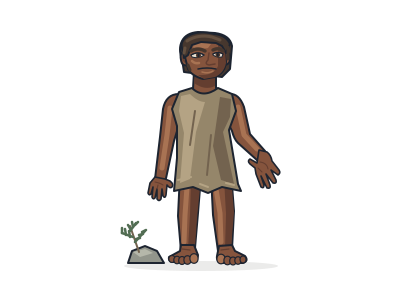
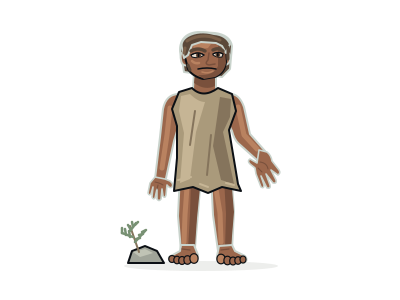
- Homo floresiensisThe "hobbit": a metre-tall human relative living on an Indonesian island.