An extinct species
"Lucy" (Australopithecus) †
Australopithecus afarensis
Upright walking before big brains
Lived about 3.9–2.9 million years ago.
You and the "lucy" (australopithecus) meet in the Humans and chimpanzees branch, shown at about 7 million years ago (on 31 December, in a calendar from life's shared ancestor to today).
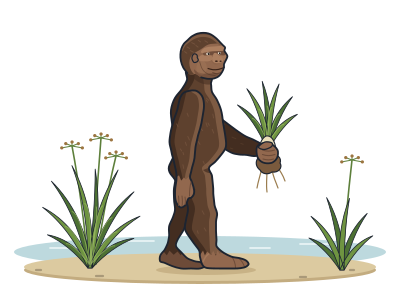
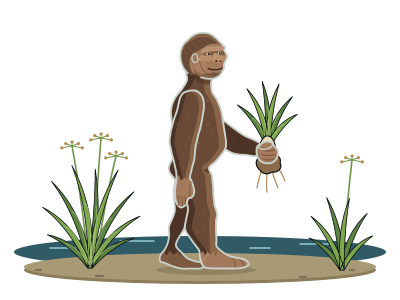
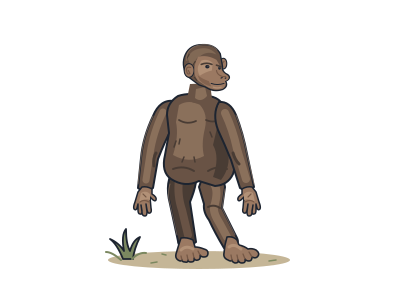
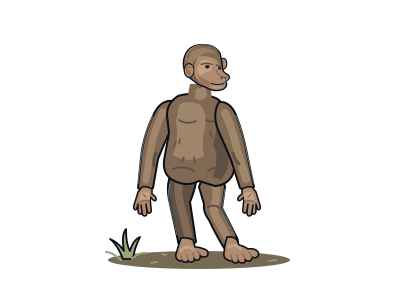
Compare with something elseLucy walked upright about 3.2 million years ago, yet her species had brains about the size of a chimpanzee’s. She belonged to the human side of the family, not the chimpanzee branch. Her bones helped show that walking on two legs came before large human brains.
Lucy was one individual, not the name of her whole species. Her species lived about 3.9 to 2.9 million years ago in eastern Africa. Fossils were found in what are now Ethiopia, Kenya and Tanzania. These relatives combined features familiar from humans with others suited to climbing.
Lucy’s short, broad hip bones and inward-slanting thigh bones supported upright walking. Her long arms and muscle attachment marks also suggested powerful climbing muscles. Other individuals preserved long, curved finger bones suited to climbing. Tooth wear provided clues about food, including soft fruit, while tooth size and shape suggested that these relatives could also handle harder foods.
Found in Ethiopia
Donald Johanson and Tom Gray found Lucy at Hadar on 24 November 1974.
A musical nickname
Her nickname came from the Beatles song Lucy in the Sky with Diamonds, played during the team’s celebrations.
Less than half a skeleton
Lucy’s recovered bones represented about 40% of her skeleton.
Next to it on the tree
- HumanYou are here: one twig on a very large tree.


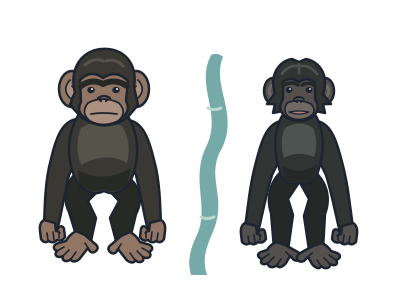
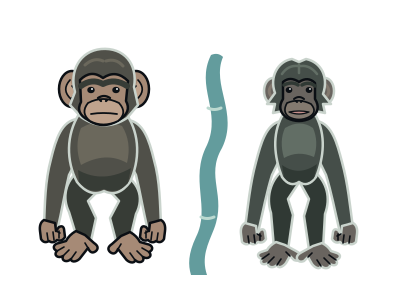
- Chimpanzees and bonobosTwo apes split by the Congo River: one more warlike, one more peaceful.
- Homo erectusThe first human relative to leave Africa, and it lasted nearly two million years.
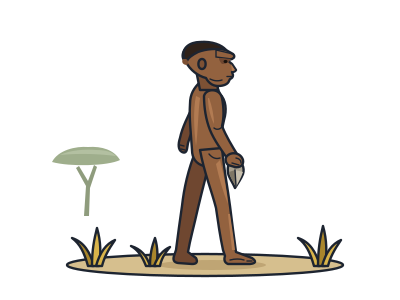
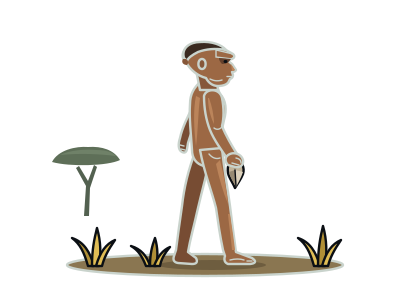
- NeanderthalAmong our closest extinct relatives; many people carry some Neanderthal DNA.
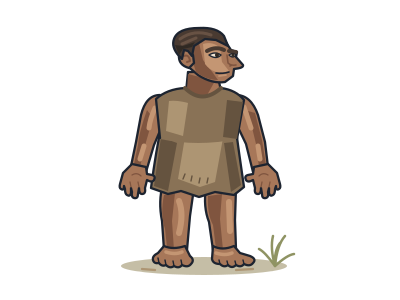
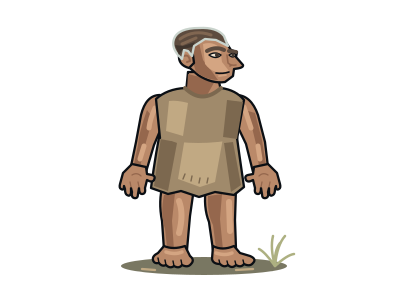
- Homo habilisThe "handy man", an early member of our genus linked to early stone tools.
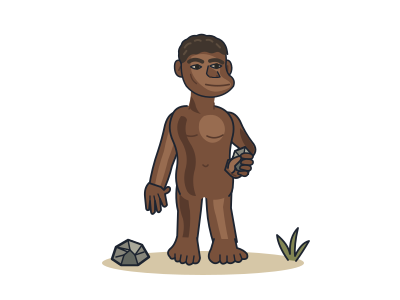
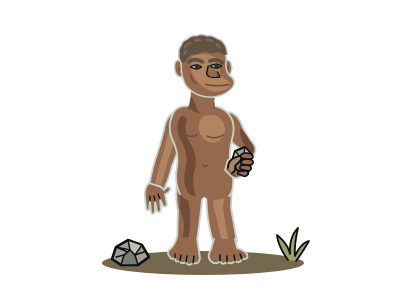
- DenisovansFirst recognised from ancient DNA; an inherited gene version helps Tibetans cope with thin mountain air.
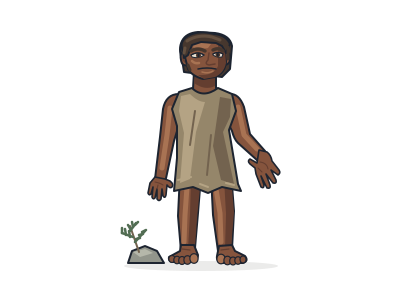
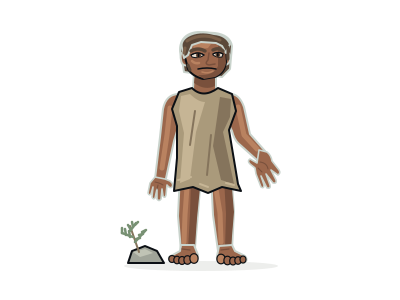
- Homo floresiensisThe "hobbit": a metre-tall human relative living on an Indonesian island.
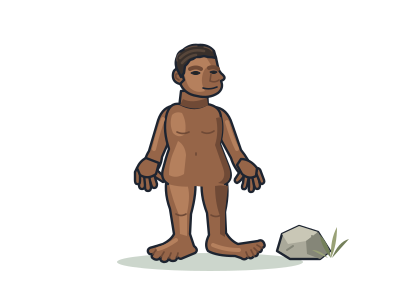
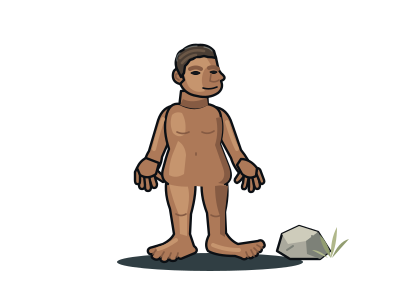
- Paranthropus boiseiA human cousin with huge cheek teeth and a skull crest, nicknamed "Nutcracker Man".