A species
Bonobo
Pan paniscus
Female teamwork, with room for play.
You and the bonobo meet in the Humans and chimpanzees branch, shown at about 7 million years ago (on 31 December, in a calendar from life's shared ancestor to today).
Compare with something elseIn bonobo groups, females gain power by sticking together, while play and friendly contact may help ease tension. Their closest living relatives are chimpanzees, but bonobos are a separate species.
Males are usually larger, yet females back one another against them. These allies are often unrelated: females usually leave the community where they were born and build new relationships elsewhere. That teamwork does not mean every female outranks every male. Who holds power varies between communities and over time.
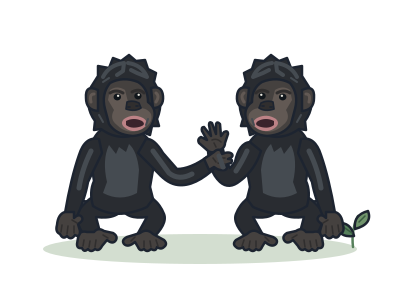
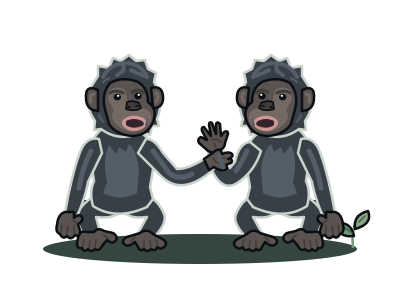
Play continues into adulthood. In one zoo community, adults played more before feeding than at other observed times. Adult pairs that played together more before feeding also sat touching each other more often during feeding. Researchers suggested that play might help prevent tension around food. Bonobos also use touch to reassure and comfort each other. None of this means they never fight.
A fresh bed
Each evening, bonobos make sleeping nests from leaves and twigs in trees.
More than fruit
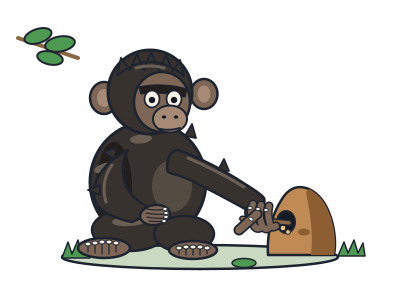
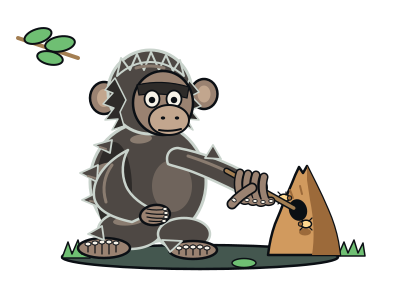
Fruit makes up much of their diet, but they also eat other plant foods, insects, earthworms and sometimes small mammals.
Staying close to mum
Sons usually stay in their birth community and keep close bonds with their mothers into adulthood.