A group of living things
Chimpanzees and bonobos
Pan
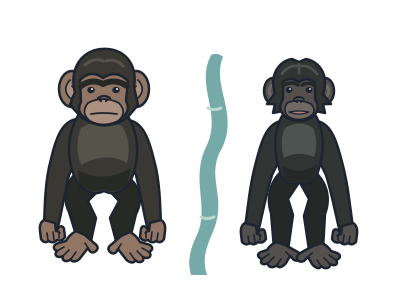
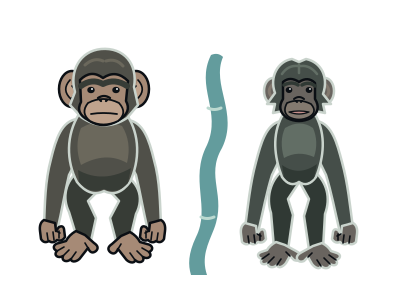
Two close ape relatives, with a river between them.
This branch is shown at about 2 million years ago; its age is a rough estimate.
You and chimpanzees and bonobos meet in the Humans and chimpanzees branch, shown at about 7 million years ago (on 31 December, in a calendar from life's shared ancestor to today).
Compare with something elseThe Congo River separates two closely related apes with contrasting relationships between communities. Chimpanzee groups can have hostile encounters with their neighbours. Wild bonobos have been seen sharing food, grooming and forming alliances across group boundaries. Bonobos live south of the river, in the Democratic Republic of the Congo.
But “warlike chimpanzees, peaceful bonobos” is too simple. Bonobos can be aggressive too. One striking contrast is how communities relate to one another, not a rule that one species always fights and the other never does. Peaceful meetings do not mean bonobos all belong to one big group.
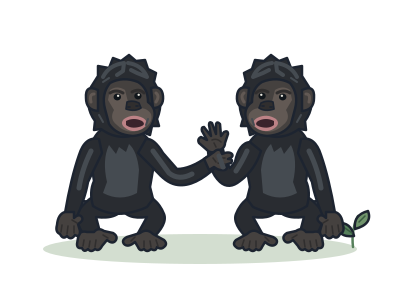
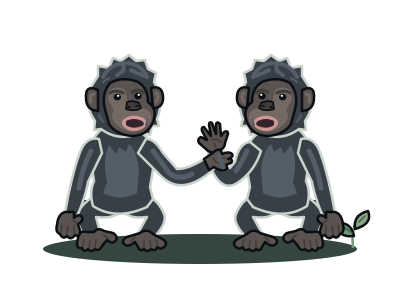
Chimpanzees and bonobos are each other’s closest living relatives. Together, they are also our closest living relatives—but humans did not descend from either living species. Picture two related, tailless apes with long arms and dark hair. Chimpanzees are stockier; bonobos have slimmer bodies and relatively longer legs.
Tools with traditions
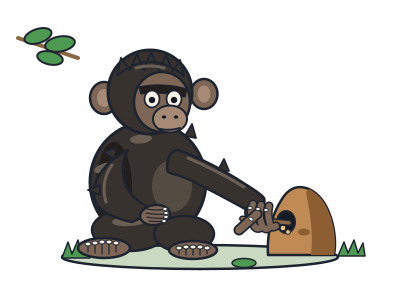
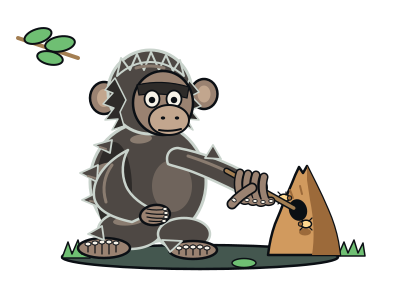
Chimpanzee communities differ in their tools and how they use them. Some differences are traditions learned from others.
Beds made from branches
Chimpanzees build sleeping nests from branches and other plant material. Mothers share with young that still depend on their milk.
Staying close to Mum
Male bonobos usually stay in their birth community and keep strong bonds with their mothers. Females generally move to another community.
Inside chimpanzees and bonobos
Next to it on the tree
- HumanYou are here: one twig on a very large tree.


- "Lucy" (Australopithecus)Walked upright 3.2 million years ago with a brain the size of a chimp's.
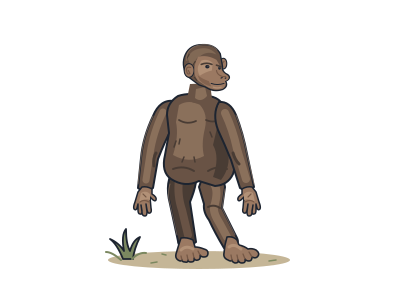
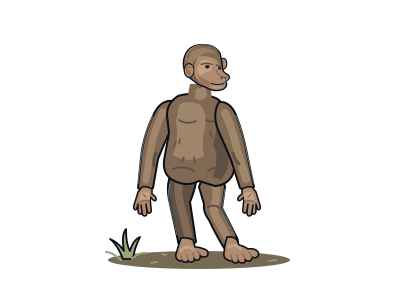
- Homo erectusThe first human relative to leave Africa, and it lasted nearly two million years.
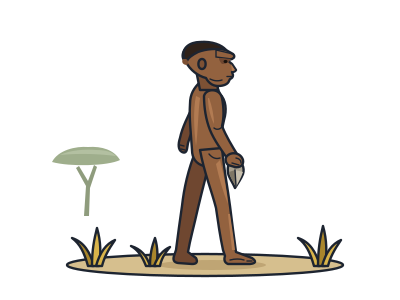
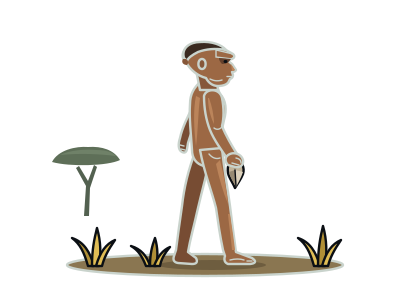
- NeanderthalAmong our closest extinct relatives; many people carry some Neanderthal DNA.
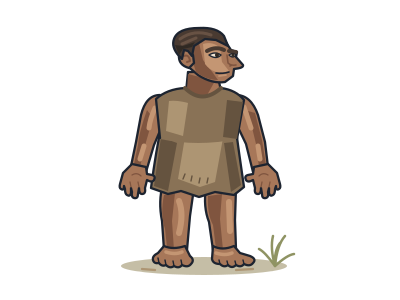
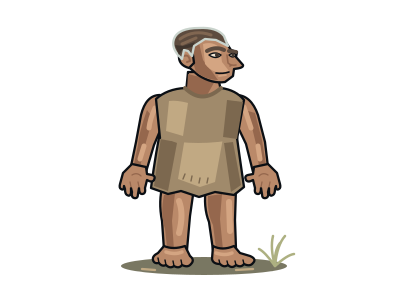
- Homo habilisThe "handy man", an early member of our genus linked to early stone tools.
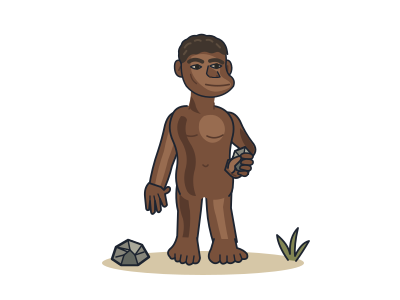
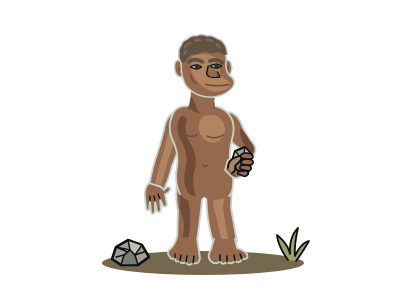
- DenisovansFirst recognised from ancient DNA; an inherited gene version helps Tibetans cope with thin mountain air.
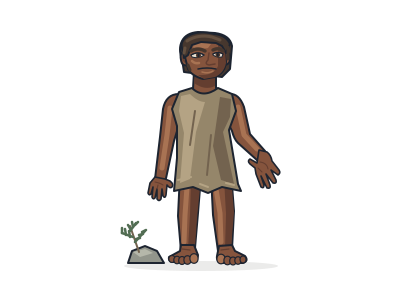
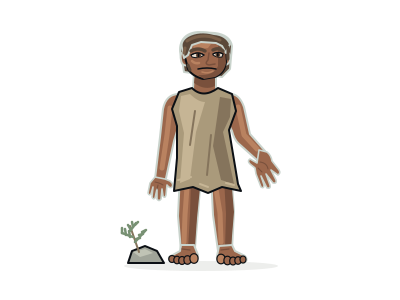
- Homo floresiensisThe "hobbit": a metre-tall human relative living on an Indonesian island.
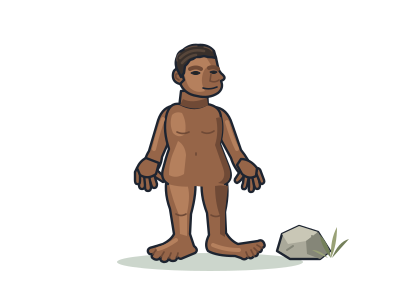
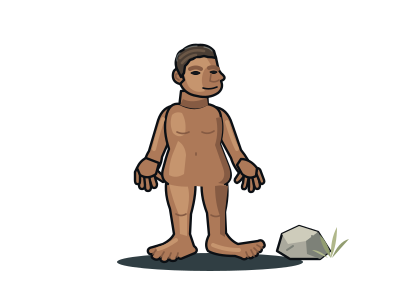
- Paranthropus boiseiA human cousin with huge cheek teeth and a skull crest, nicknamed "Nutcracker Man".