An extinct species
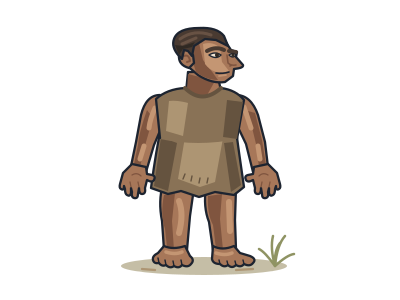
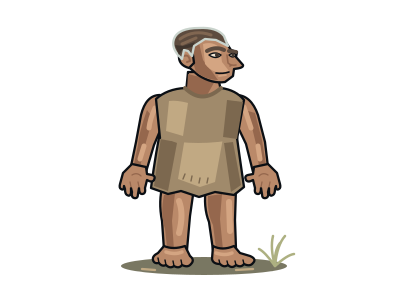
Neanderthal †
Homo neanderthalensis
Close human relatives whose DNA lives on in many of us.
Lived about 430,000–40,000 years ago.
You and the neanderthal meet in the Humans and chimpanzees branch, shown at about 7 million years ago (on 31 December, in a calendar from life's shared ancestor to today).
Compare with something elseNeanderthals, together with Denisovans, were our closest known extinct human relatives. Most people with European or Asian ancestry carry about 1–2% Neanderthal DNA. This inherited material shows that Neanderthals and members of our species had children together. Some African populations also carry Neanderthal DNA.
They lived about 430,000 to 40,000 years ago. Their known range stretched from Portugal and Wales eastwards to Siberia’s Altai Mountains. They occupied cold, open grasslands as well as warmer woodlands: theirs was not just a world of ice. Fossil skulls, teeth and skeletons preserved evidence of their bodies.
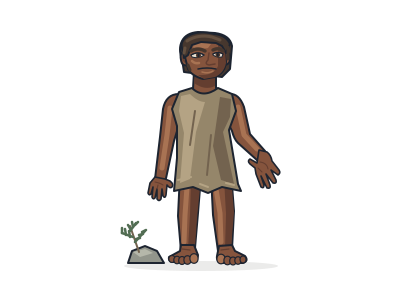
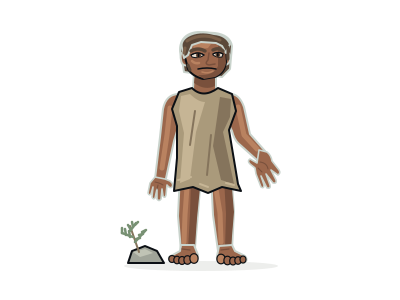
Their bones showed a compact build, with relatively short forearms and lower legs. This shape helped them conserve heat. They made carefully shaped stone tools and used fire and shelters. Archaeological evidence also supported clothing made from animal hides. They hunted large animals, but they ate plants too. These were resourceful human relatives, not simply the meat-eating cave dwellers of popular stories.
A valley gave them their name
Their name came from Germany’s Neander Valley, where remains found in 1856 helped scientists recognise a different ancient human.
Two branches in one family
Ancient DNA identified a girl whose mother was Neanderthal and whose father was Denisovan.
Food from the shore
Some coastal groups gathered shellfish.
Next to it on the tree
- HumanYou are here: one twig on a very large tree.


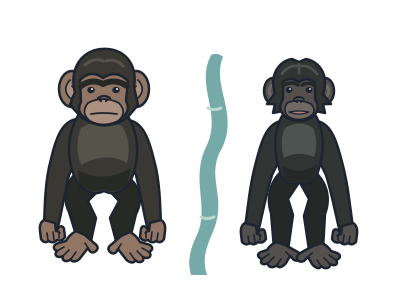
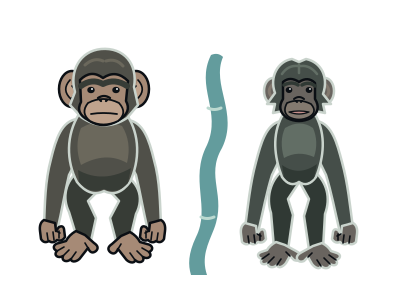
- Chimpanzees and bonobosTwo apes split by the Congo River: one more warlike, one more peaceful.
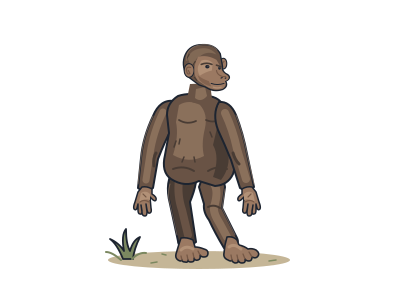
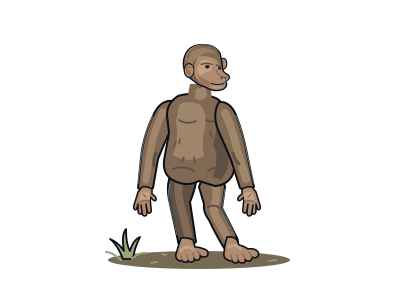
- "Lucy" (Australopithecus)Walked upright 3.2 million years ago with a brain the size of a chimp's.
- Homo erectusThe first human relative to leave Africa, and it lasted nearly two million years.
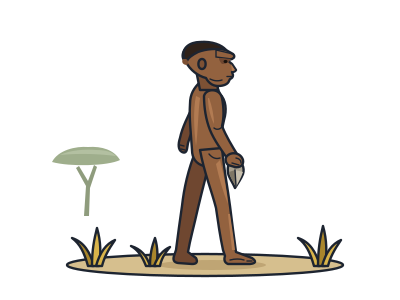
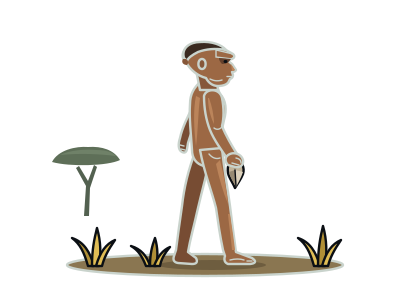
- Homo habilisThe "handy man", an early member of our genus linked to early stone tools.
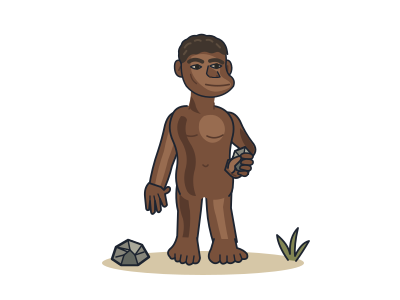
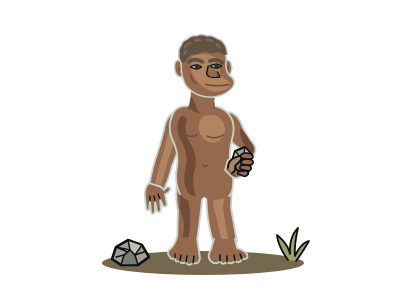
- DenisovansFirst recognised from ancient DNA; an inherited gene version helps Tibetans cope with thin mountain air.
- Homo floresiensisThe "hobbit": a metre-tall human relative living on an Indonesian island.
- Paranthropus boiseiA human cousin with huge cheek teeth and a skull crest, nicknamed "Nutcracker Man".