An extinct species
Homo habilis †
Homo habilis
The ‘handy man’ in our human family
Lived about 2.4–1.4 million years ago.
You and the homo habilis meet in the Humans and chimpanzees branch, shown at about 7 million years ago (on 31 December, in a calendar from life's shared ancestor to today).
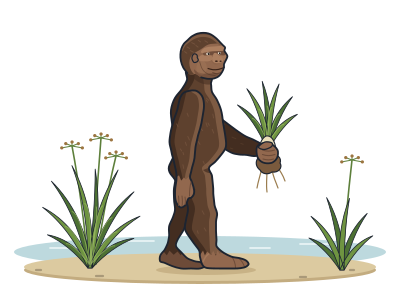
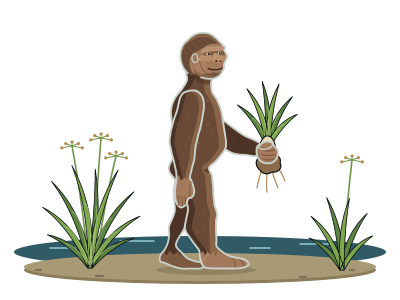
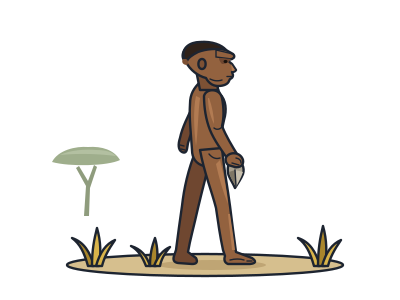
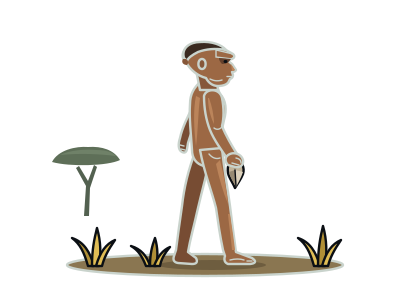
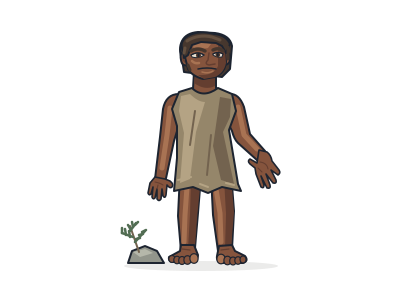
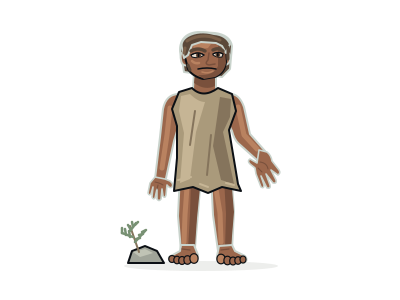
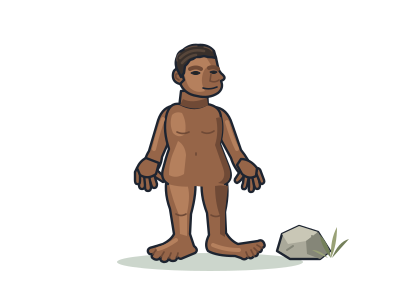
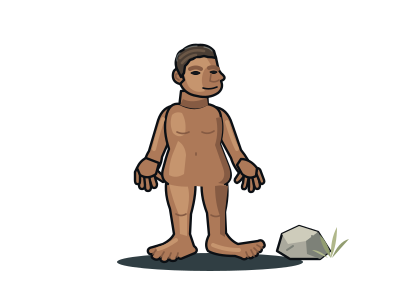
Compare with something elseThe ‘handy man’ was an early member of our own genus, the group of closely related species that includes us. Yet its long arms and projecting face looked different from ours. It lived about 2.4 to 1.4 million years ago and walked upright on two legs.
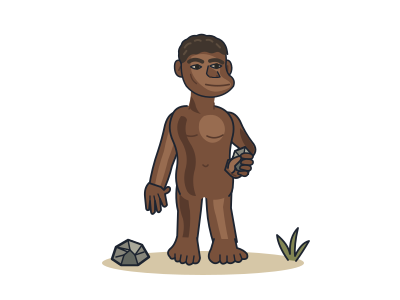
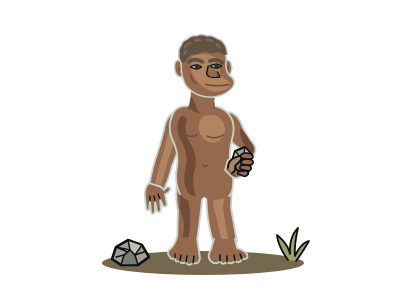
Its name meant ‘handy man’, because scientists thought it had made stone tools found near its fossils. The associated tools included chipped stones and sharp flakes. But the name did not mark the start of toolmaking: older stone tools showed that this skill had appeared before this species.
Skulls preserved a low forehead and a ridge above the eyes. The face stuck out less than in earlier human relatives. Important fossils came from Kenya and Tanzania, especially around Lake Turkana and at Olduvai Gorge. Its African surroundings included grassland.
A small braincase
Estimated brain sizes ranged from about half a litre to four-fifths of a litre.
A young individual's bones
The fossil used to define the species included a young individual's partial lower jaw, teeth, skull pieces and 21 hand and wrist bones.
Named in 1964
Louis Leakey, Philip Tobias and John Napier formally named the species in 1964.
Next to it on the tree
- HumanYou are here: one twig on a very large tree.


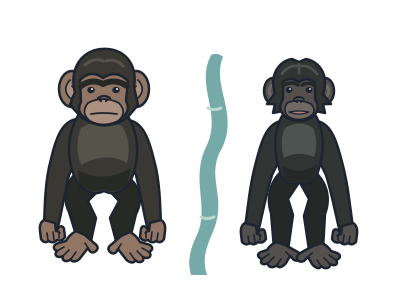
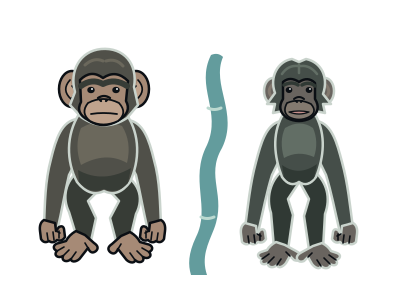
- Chimpanzees and bonobosTwo apes split by the Congo River: one more warlike, one more peaceful.
- "Lucy" (Australopithecus)Walked upright 3.2 million years ago with a brain the size of a chimp's.
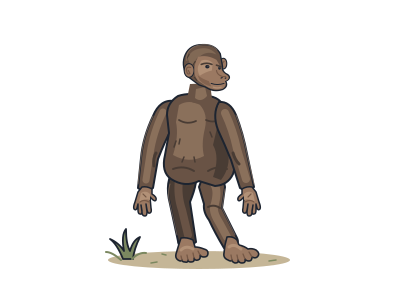
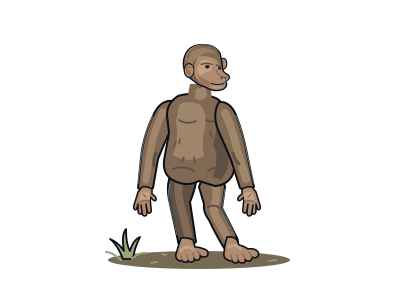
- Homo erectusThe first human relative to leave Africa, and it lasted nearly two million years.
- NeanderthalAmong our closest extinct relatives; many people carry some Neanderthal DNA.
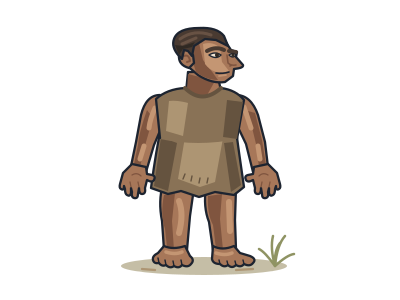
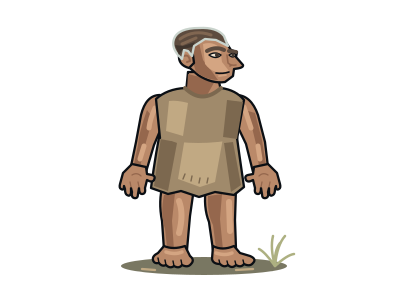
- DenisovansFirst recognised from ancient DNA; an inherited gene version helps Tibetans cope with thin mountain air.
- Homo floresiensisThe "hobbit": a metre-tall human relative living on an Indonesian island.
- Paranthropus boiseiA human cousin with huge cheek teeth and a skull crest, nicknamed "Nutcracker Man".